India · By NoorNews Editorial ·
Pithori Amavasya: पितृ दोष दूर करने के लिए पिठोरी अमावस्या है खास, इन 4 जगहों पर जलाएं दीया; पूर्वज प्रसन्न होकर रखेंगे खुशहाल
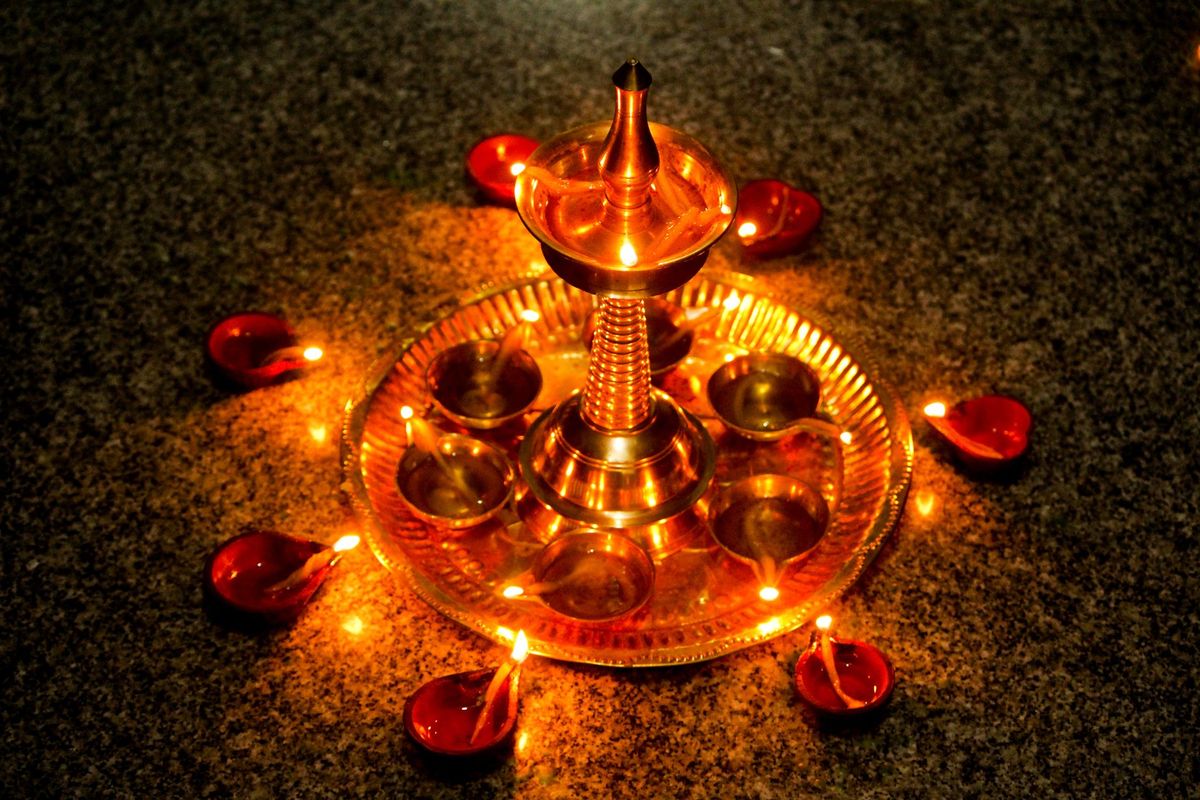
According to the Hindi-language publication Prabhat Khabar, Pithori Amavasya is considered a significant day in the Hindu calendar for performing rituals intended to honor ancestors and seek their blessings. The report outlines specific traditional practices, suggesting that lighting lamps in four designated locations can help individuals alleviate 'pitra dosh'—a concept in Vedic astrology referring to ancestral afflictions—and foster prosperity within the household.
These observances are part of the broader cultural traditions surrounding Amavasya, or the new moon day, which is frequently observed across India as a time for spiritual reflection and paying respects to departed family members. While the specific recommendations for lamp placement are rooted in religious belief rather than empirical science, such guidance is a common feature of regional religious reporting during the lunar cycle.
For those observing these traditions, the act of lighting lamps is intended as a symbolic gesture of gratitude and remembrance. The report emphasizes that such practices are believed to bring peace and happiness to the family, reflecting the deep-seated cultural importance of ancestral veneration in Indian society. No further developments or official statements are associated with this report, as it pertains to personal religious practice.
Truth Score
75/100
Likely True
Why this score
The story reports on traditional religious practices associated with Pithori Amavasya, which is a well-documented cultural and religious observance in India. As this is a lifestyle and religious guidance piece, it is consistent with the editorial focus of the source, Prabhat Khabar, and does not contain verifiable factual claims that would require corroboration from international wires.
Cross-checked against
No corroborating trusted sources found.
Original report: Prabhat Khabar