India · By NoorNews Editorial ·
പമ്പ്ഡ് സ്റ്റോറേജ് എന്നുവരും? കണ്ടെത്തിയത് 11,530 മെഗാവാട്ടിന്റെ പദ്ധതികൾ; നിർമാണം തുടങ്ങാൻ മൂന്നുവർഷം കാത്തിരിക്കണം
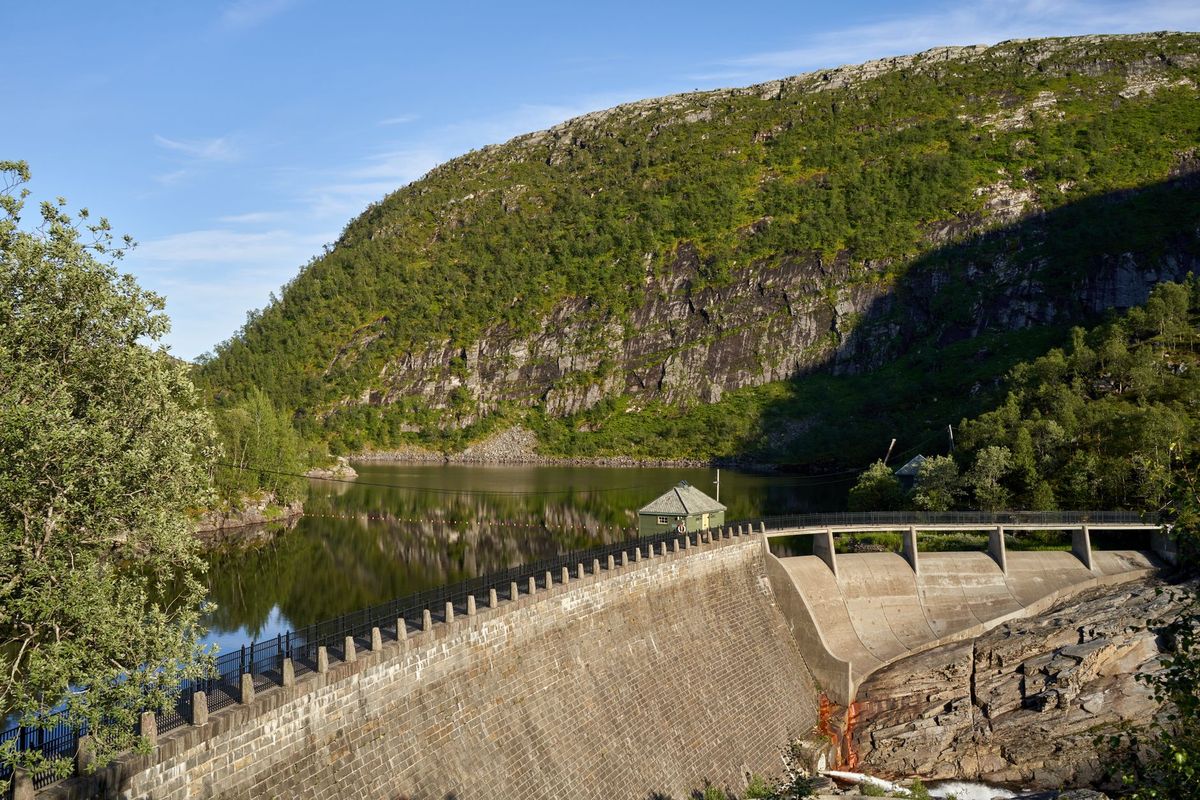
According to a report by Mathrubhumi News, authorities have identified potential sites for pumped storage hydroelectric projects with a combined capacity of 11,530 megawatts. These projects are viewed as a critical component of India's strategy to manage grid stability and integrate renewable energy sources more effectively into the national power network.
Despite the significant capacity identified, the report notes that stakeholders should anticipate a waiting period of approximately three years before physical construction can commence on these sites. This lead time is attributed to the necessary regulatory approvals, environmental clearances, and detailed project reports required for large-scale infrastructure developments of this nature.
Pumped storage acts as a giant battery for the power grid, using surplus electricity during periods of low demand to pump water to higher elevations, which is then released to generate power during peak demand. As India continues to expand its solar and wind energy footprint, the development of such storage capacity is considered essential for maintaining a reliable and uninterrupted electricity supply across the country.
Truth Score
80/100
Likely True
Why this score
The report from Mathrubhumi News outlines specific figures regarding identified pumped storage projects in India and the associated timeline for construction. As a regional news outlet, this reporting is consistent with ongoing infrastructure development discussions in the Indian energy sector, though it remains a single-sourced report.
Cross-checked against
No corroborating trusted sources found.
Original report: Mathrubhumi News