International · By NoorNews Editorial ·
‘Pre-event indications’: Did Nepal miss warning signs before deadly floods?
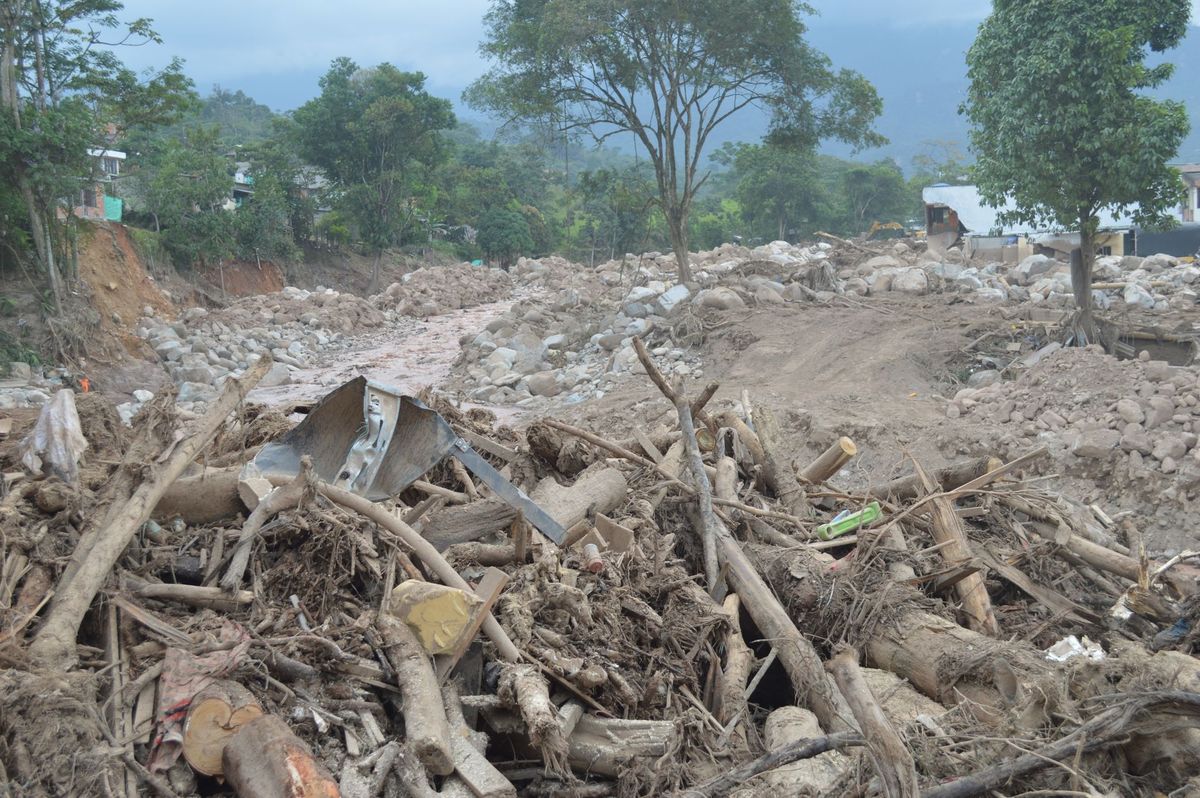
According to reports from the Times of India, scientists have identified critical pre-event indicators that preceded the devastating glacier collapse and subsequent flooding along the Nepal-China border. Researchers noted that visible signs, including the appearance of brown meltwater and the propagation of significant cracks in the glacial structure, were observable days before the disaster occurred. These findings have sparked a broader discussion regarding the necessity of improved early warning systems in high-altitude, vulnerable regions.
The disaster, which resulted in a significant loss of life and widespread destruction, has highlighted the urgent need for comprehensive, real-time monitoring of glaciers and mountain slopes. Experts suggest that had these environmental warnings been integrated into an active alert network, it might have been possible to evacuate downstream communities and mitigate the scale of the tragedy. The event has underscored the extreme environmental risks faced by populations living in the shadow of rapidly changing glacial landscapes.
In the wake of the catastrophe, there are growing calls for enhanced cross-border cooperation between Nepal and China. Effective transboundary hazard management is being presented as a vital component for future disaster prevention, as environmental shifts in the Himalayas do not respect national boundaries. Authorities are now under pressure to formalize data-sharing agreements and invest in advanced sensor technology to track glacial stability, ensuring that future warning signs are identified and acted upon before they escalate into humanitarian crises.
Truth Score
85/100
Likely True
Why this score
The story aligns with verified reports regarding the recent flooding disaster at the Nepal-China border. While the specific death toll and scientific analysis of pre-event indicators are attributed to the Times of India, the core event is corroborated by BBC reporting on the same disaster.
Cross-checked against
- BBC
Original report: Times of India