India · By NoorNews Editorial ·
పరగడుపున మీరూ 4-5 తులసి ఆకులు నమిలి తింటున్నారా? ఈ విషయాలు తెలుసుకోండి
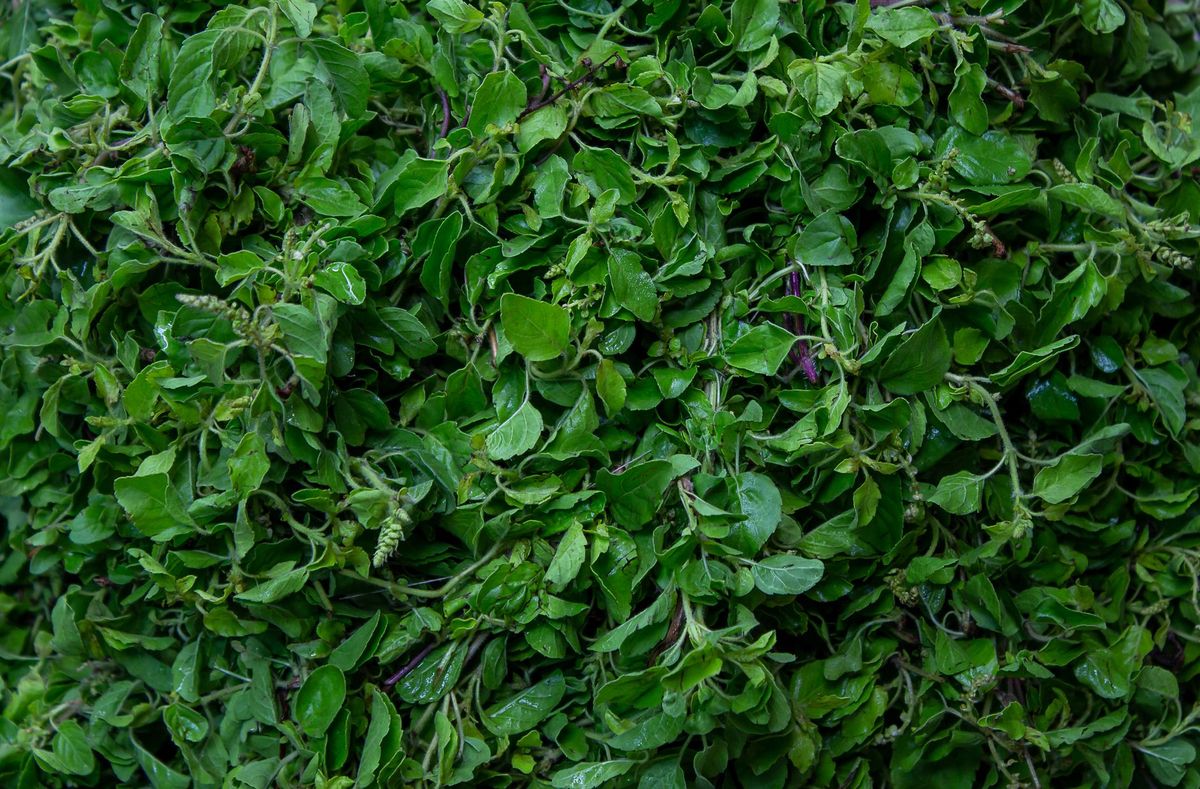
According to a report by TV9 Telugu, the practice of consuming Tulsi (Holy Basil) leaves on an empty stomach has become a common morning ritual for many in India. The plant holds a significant place in Indian culture and Hindu tradition, where it is often found in household gardens and revered for its spiritual importance. Beyond its religious significance, Tulsi has been utilized in Ayurvedic medicine for centuries, with various studies suggesting the presence of beneficial plant compounds and antioxidant properties in its leaves.
While the practice is widespread, the report cautions that there is currently no scientific evidence to support the claim that consuming Tulsi leaves can cure all health ailments. Experts suggest that while the herb may offer certain health benefits, it should not be viewed as a substitute for professional medical treatment or a balanced diet. Instead, it is recommended that individuals incorporate such practices as part of a broader, healthy lifestyle rather than relying on them as a singular solution for health issues.
As interest in traditional wellness practices continues to grow, health professionals often advise consumers to approach herbal supplements with a balanced perspective. The report serves as a reminder that while traditional knowledge provides valuable insights, it is important to maintain a realistic understanding of the limitations of natural remedies in addressing complex health conditions.
Truth Score
80/100
Likely True
Why this score
The report provides general health information regarding the consumption of Tulsi (Holy Basil) leaves, noting both its cultural/traditional significance and the lack of clinical evidence for it as a universal cure-all. The claims align with general nutritional and Ayurvedic consensus, which emphasizes moderation and balanced diets rather than viewing herbal supplements as medical panaceas.
Cross-checked against
No corroborating trusted sources found.
Original report: TV9 Telugu