International · By NoorNews Editorial ·
Rights Watchdog Warns Israeli Actions Cripple Gaza Transport System, Push Strip to Famine's Precipice
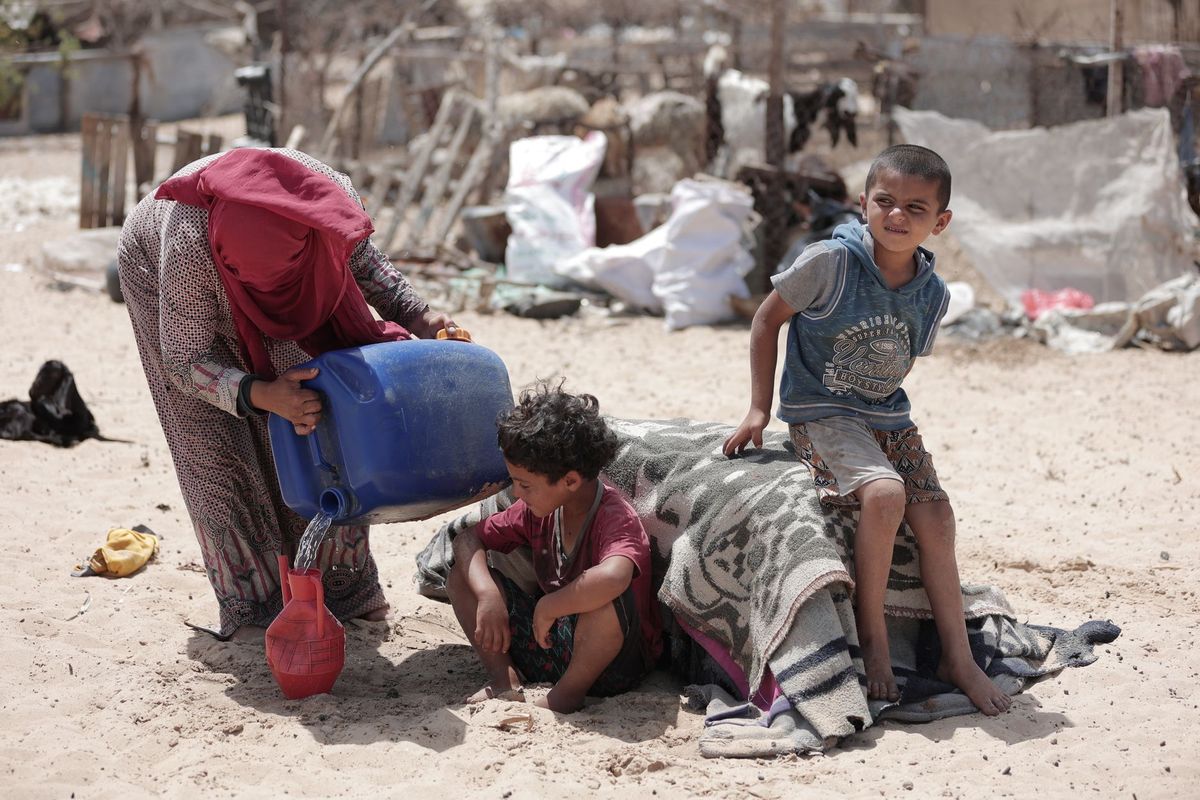
According to a report from the Qatar News Agency (QNA), the Geneva-based Euro-Med Human Rights Monitor has issued a warning regarding the state of the transportation and freight infrastructure in the Gaza Strip. The organization alleges that Israeli military actions have deliberately crippled the region's ability to move and store essential goods by targeting transport vehicles and drivers.
In addition to the physical destruction of trucks and logistical equipment, the report claims that the entry of critical spare parts and operational materials required to maintain the strip's internal supply chain is being systematically prevented. Euro-Med Monitor suggests that these measures are contributing significantly to the worsening humanitarian crisis, pushing the population toward the brink of famine by obstructing the distribution of food and medical supplies.
The situation in Gaza remains a focal point of international concern, with various humanitarian agencies and global bodies frequently highlighting the difficulties in maintaining aid delivery routes. While international wires have reported extensively on the broader conflict and the rejection of various peace proposals, this specific report focuses on the logistical and infrastructural barriers currently impacting the movement of goods within the territory.
As of now, there has been no official response from Israeli authorities regarding these specific allegations of targeted infrastructure destruction. The warning from Euro-Med Monitor underscores the ongoing challenges faced by aid organizations and local residents in navigating the restricted environment, as the conflict continues to disrupt essential services and supply lines throughout the Gaza Strip.
Truth Score
75/100
Likely True
Why this score
The report is based on a statement from a known human rights organization, Euro-Med Monitor, as relayed by the state news agency QNA. While the specific claims regarding the systematic destruction of transport infrastructure are not independently corroborated by the provided wire list, the report is internally consistent and reflects ongoing humanitarian concerns in the region.
Cross-checked against
No corroborating trusted sources found.
Original report: QNA