International · By NoorNews Editorial ·
Russia Captures Two Villages in Ukraine's Kharkiv Region
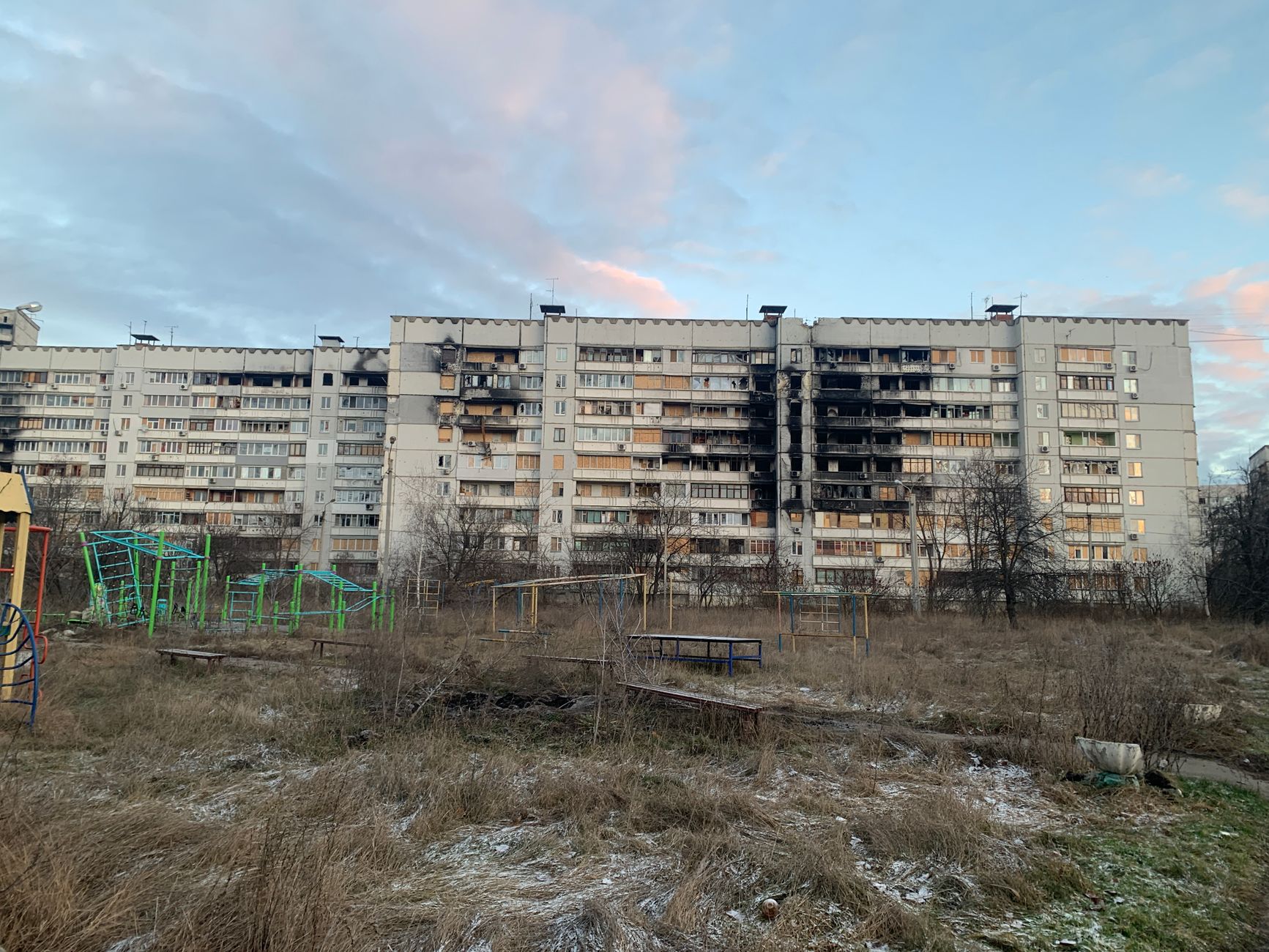
According to the Qatar News Agency (QNA), the Russian Ministry of Defense announced on July 24 that its military forces have successfully captured two additional villages within Ukraine's northeastern Kharkiv region. The announcement comes amidst ongoing hostilities in the area, which has remained a significant focal point of the conflict between Russian and Ukrainian forces.
The Kharkiv region has experienced fluctuating front lines throughout the duration of the conflict, with both sides frequently reporting tactical shifts and territorial gains. The Russian defense ministry's statement did not provide specific names for the villages in question, nor did it detail the intensity of the combat required to secure the positions. Such reports are part of the daily operational updates provided by Moscow regarding the status of the front.
This development occurs against a backdrop of broader regional instability. While international observers and wire services continue to monitor the situation, the capture of small settlements is often indicative of the grinding nature of the current phase of the war. Military analysts typically view these localized territorial shifts as part of Russia's broader strategic efforts to consolidate control in the east and northeast of Ukraine.
As of now, there has been no immediate confirmation or rebuttal from the Ukrainian Ministry of Defense regarding the loss of these specific positions. The situation remains fluid, and international monitoring groups are expected to analyze satellite imagery and frontline reports in the coming days to verify the extent of the territorial changes. The conflict continues to have significant humanitarian and geopolitical implications for the region.
Truth Score
75/100
Likely True
Why this score
The report originates from QNA, a credible state news agency, regarding a Ministry of Defense announcement. While the specific claim about two villages is not corroborated by the provided BBC or Al Jazeera wires, it is consistent with ongoing military developments in the Kharkiv region.
Cross-checked against
No corroborating trusted sources found.
Original report: QNA