India · By NoorNews Editorial ·
Seven years after Article 370: Two Kashmirs, two different stories across LoC
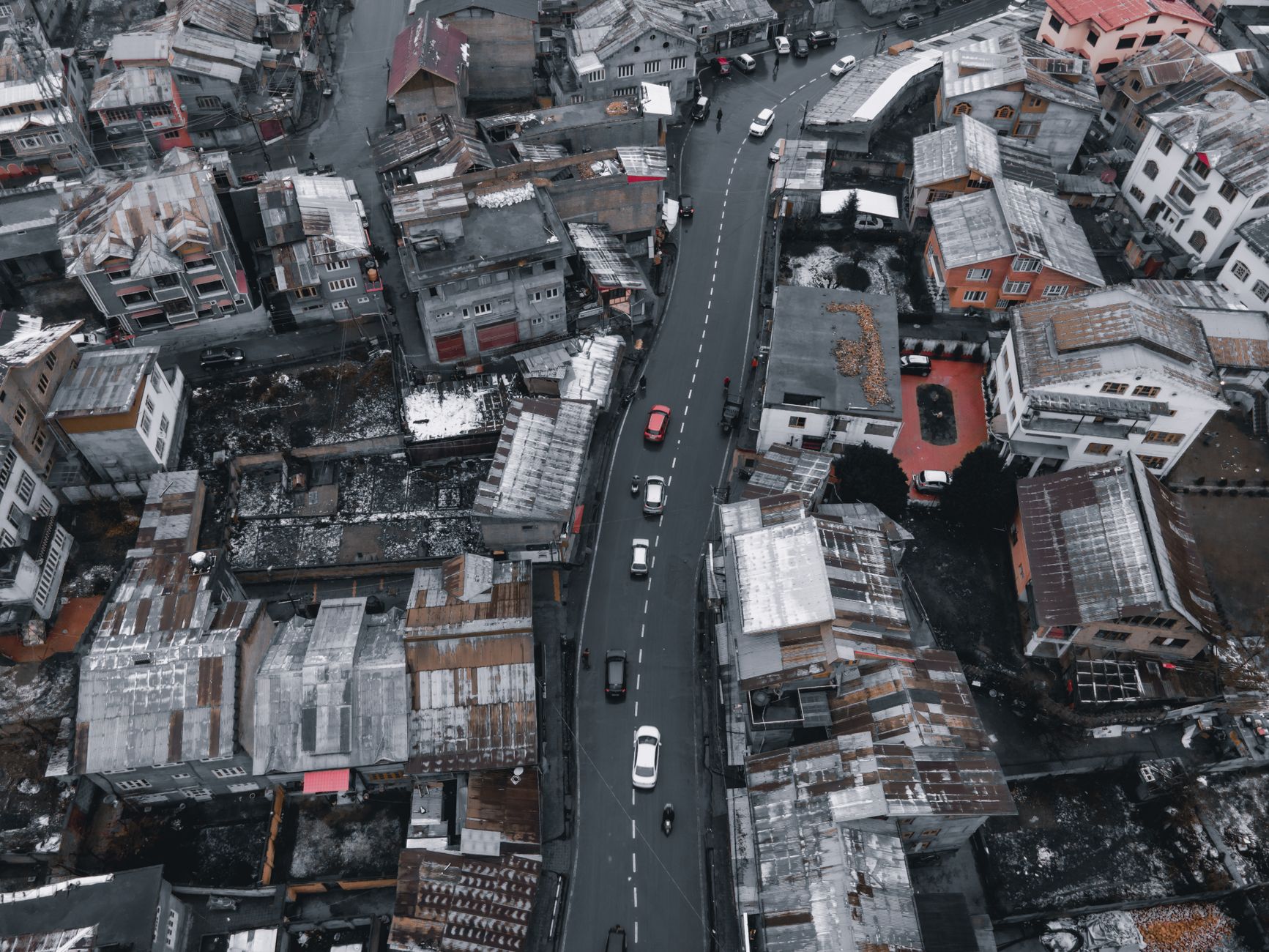
According to a report by Zee News, the seven-year period following the 2019 reorganization of Jammu and Kashmir has seen a marked divergence in the economic and infrastructural trajectories of the two regions across the Line of Control. The report highlights significant investments in road networks, digital connectivity, and urban development projects within the Indian-administered union territory, which officials argue have stimulated local commerce and tourism.
Conversely, the report contrasts these developments with the situation in Pakistan-administered Kashmir (PoK). It notes that public discourse in that region has been increasingly defined by economic grievances, including widespread protests over rising costs of living, electricity shortages, and taxation policies. These demonstrations have periodically disrupted local administration and highlighted long-standing socio-economic challenges in the area.
The analysis underscores the differing political and economic environments on either side of the border. While the Indian government maintains that its policies have integrated Jammu and Kashmir more closely into the national economy, the situation in PoK remains a point of contention, with local activists frequently citing a lack of development and political autonomy as primary drivers for civil unrest. This comparative assessment serves to illustrate the broader geopolitical and developmental divide that continues to shape the region.
Truth Score
75/100
Likely True
Why this score
The report provides a comparative analysis of regional developments in Jammu and Kashmir and Pakistan-administered Kashmir (PoK). While the claims regarding infrastructure and economic protests are consistent with regional reporting, the narrative reflects a specific geopolitical perspective common to Indian media outlets.
Cross-checked against
No corroborating trusted sources found.
Original report: Zee News