Business · By NoorNews Editorial ·
Ship crossings in Strait of Hormuz hover in single digits, data shows
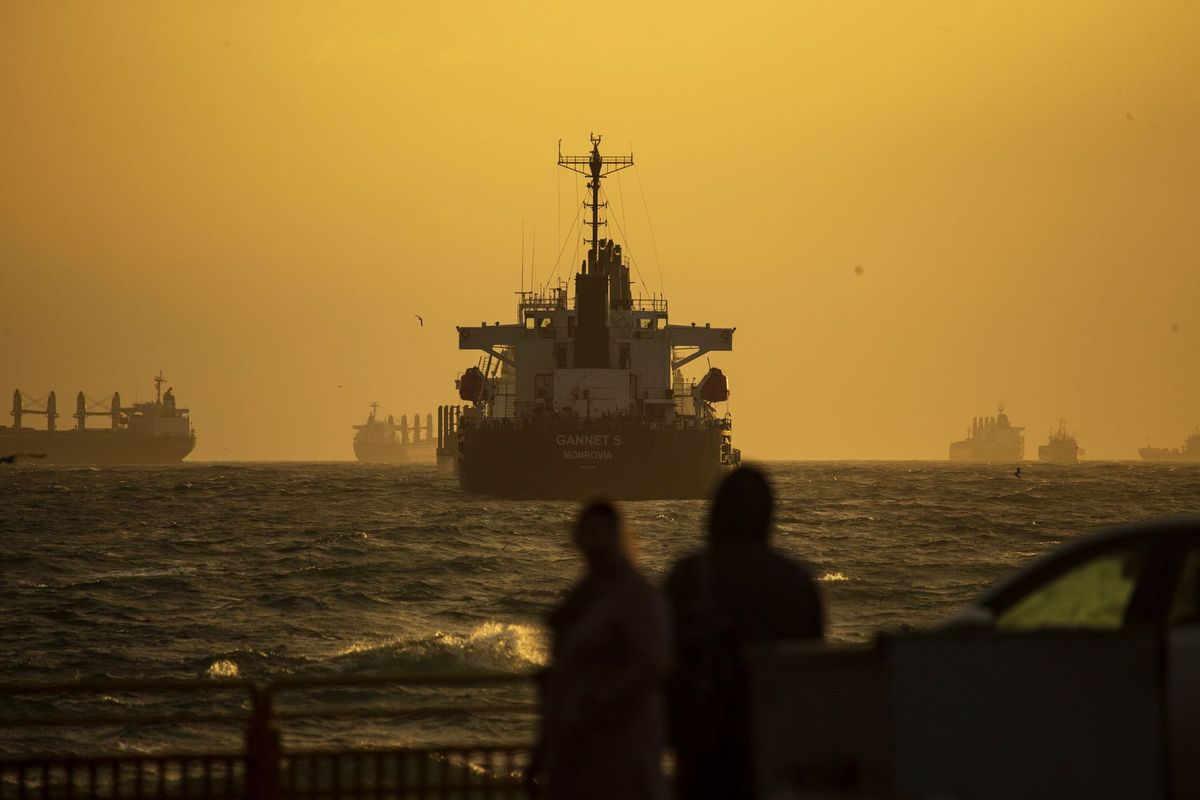
According to data from the maritime analytics firm Kpler, cargo ship traffic through the Strait of Hormuz saw a significant decline on Thursday, with only seven vessels transiting the waterway. This figure represents a 50 percent drop compared to the previous day's tally. The transit data indicates that four ships entered the strait while three exited, notably excluding any very large crude carriers or liquefied natural gas tankers. However, one very large gas carrier transporting propane and butane was recorded exiting the waterway via the Iranian route.
The Strait of Hormuz remains a critical global chokepoint, historically accounting for nearly one-fifth of global crude oil and liquefied natural gas shipments. The decline in traffic comes amid ongoing regional uncertainty and the current status of US-Iran diplomatic negotiations, which remain in a state of limbo. Analysts are closely monitoring these figures as indicators of potential risk perceptions among commercial shipping operators in the Middle East.
In a related development, traffic at the Bab El-Mandeb strait also experienced a slowdown on Thursday. According to Kpler, 23 commodity ships transited the strait, down from 34 ships recorded on each of the two preceding days. Of the 23 vessels, 16 were entering the waterway while seven were exiting. Among the exits were two Suezmax tankers, including the vessel identified as the Stoic W. These fluctuations in maritime traffic are being tracked by industry observers to assess the impact of regional tensions on global supply chain logistics.
Truth Score
80/100
Likely True
Why this score
The report relies on specific, verifiable data from Kpler, a reputable maritime tracking firm. While the geopolitical context regarding US-Iran talks is provided as background, the core claims regarding shipping volume fluctuations are internally consistent and attributed to a credible data source.
Cross-checked against
No corroborating trusted sources found.
Original report: Saudi Gazette