International · By NoorNews Editorial ·
Spain PM pins hopes on housing crisis to help win snap election
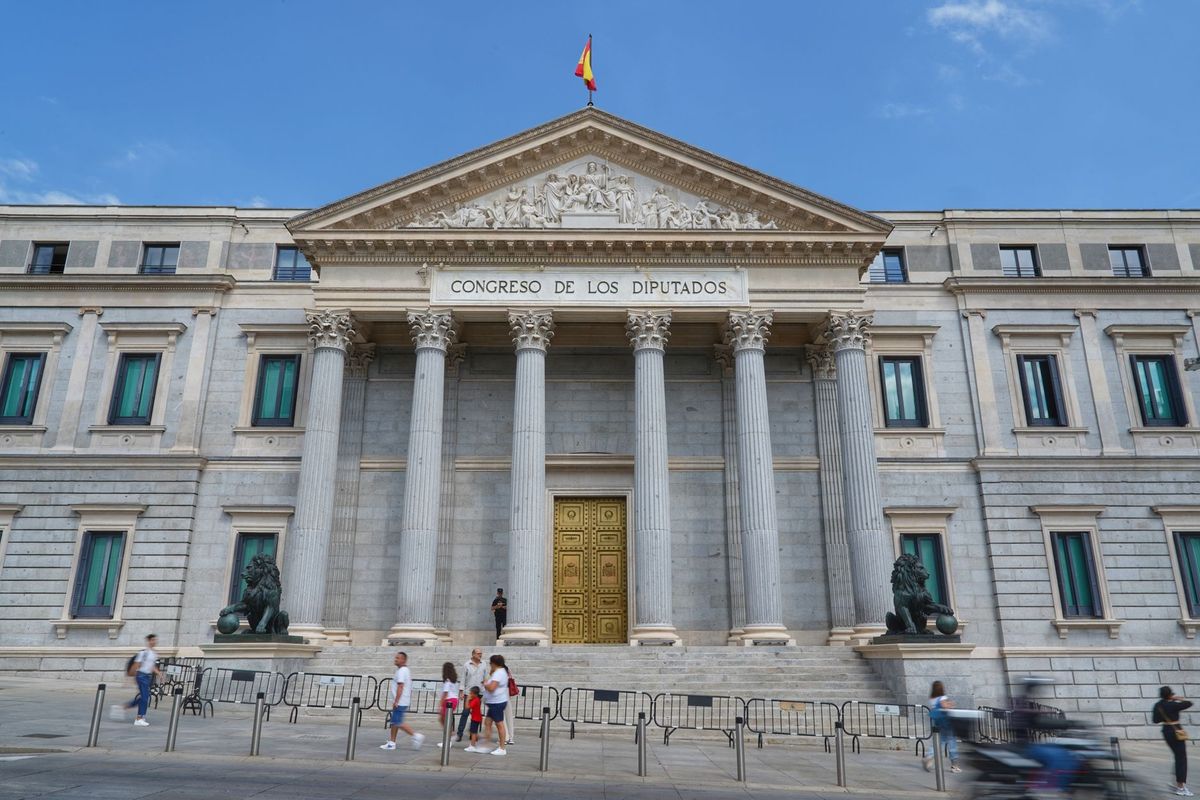
According to BBC reporting, Spanish Prime Minister Pedro Sánchez has moved to call a snap election, a decision described by analysts as a calculated political maneuver rather than a reactive response to recent domestic pressures. The move comes amidst a period of heightened social tension in Spain, particularly regarding the country's housing crisis, which has recently sparked nationwide protests following the death of a pensioner during an eviction.
Political observers suggest that Sánchez is attempting to leverage the housing issue to consolidate support and reshape the legislative landscape. By calling for an early vote, the Prime Minister aims to shift the focus of the national discourse toward his government's proposed housing reforms, hoping to mobilize voters who are increasingly concerned about the rising cost of living and housing accessibility. The strategy is seen as an attempt to regain momentum in a challenging political climate.
While the opposition has criticized the timing of the election, the government maintains that the move is necessary to provide the country with a clear mandate to address pressing social and economic challenges. The upcoming campaign is expected to be heavily focused on housing policy, with both the ruling party and opposition groups preparing to present competing visions for the future of the Spanish property market. The outcome of the election will likely determine the trajectory of these reforms and the broader stability of the current administration.
Truth Score
85/100
Likely True
Why this score
The report provides a political analysis of the Spanish Prime Minister's decision to call a snap election, framing it as a strategic move regarding the housing crisis. While the core event of the election call is factual, the interpretation of the Prime Minister's motivations is a standard journalistic analysis of political strategy.
Cross-checked against
No corroborating trusted sources found.
Original report: BBC