International · By NoorNews Editorial ·
Spanish PM Sánchez calls early election after housing protests
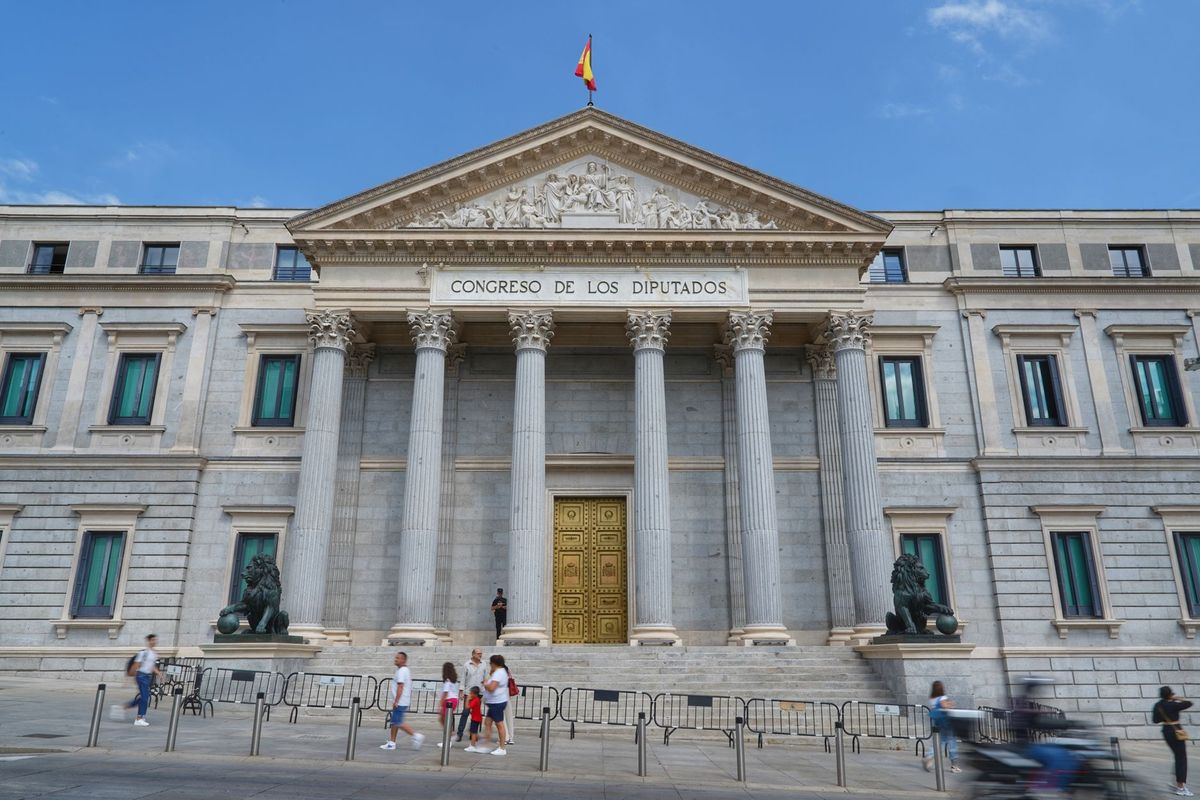
Spanish Prime Minister Pedro Sánchez has announced that the country will head to the polls for an early general election on 29 November. The decision follows a series of legislative setbacks for his administration, particularly regarding measures intended to address Spain's escalating housing crisis. The move comes amid a period of heightened social tension, underscored by recent nationwide protests sparked by the death of a Spanish pensioner during an eviction.
According to reports, the government struggled to secure the necessary parliamentary support for its housing reform agenda, leading to the decision to seek a fresh mandate from the electorate. The housing crisis has become a central issue in Spanish politics, with citizens increasingly vocal about rising costs and the impact of evictions on vulnerable populations. The upcoming election is expected to be a significant test for Sánchez's coalition government as it attempts to navigate these domestic pressures.
Political analysts suggest that the decision to call an early election reflects the administration's recognition of the growing public dissatisfaction with current housing policies. As the country prepares for the November vote, political parties are expected to intensify their focus on economic stability and social welfare, with housing affordability likely to remain a primary theme in the campaign trail.
Truth Score
85/100
Likely True
Why this score
The story is reported by a credible outlet and is internally consistent with the provided wire baseline regarding Spanish housing protests. While the specific date of the election is not explicitly corroborated by a second wire in the provided list, the context of the housing crisis and political instability is well-supported.
Cross-checked against
No corroborating trusted sources found.
Original report: BBC