International · By NoorNews Editorial ·
Stranded Hormuz ships could trigger global wave of biological invasions, study warns
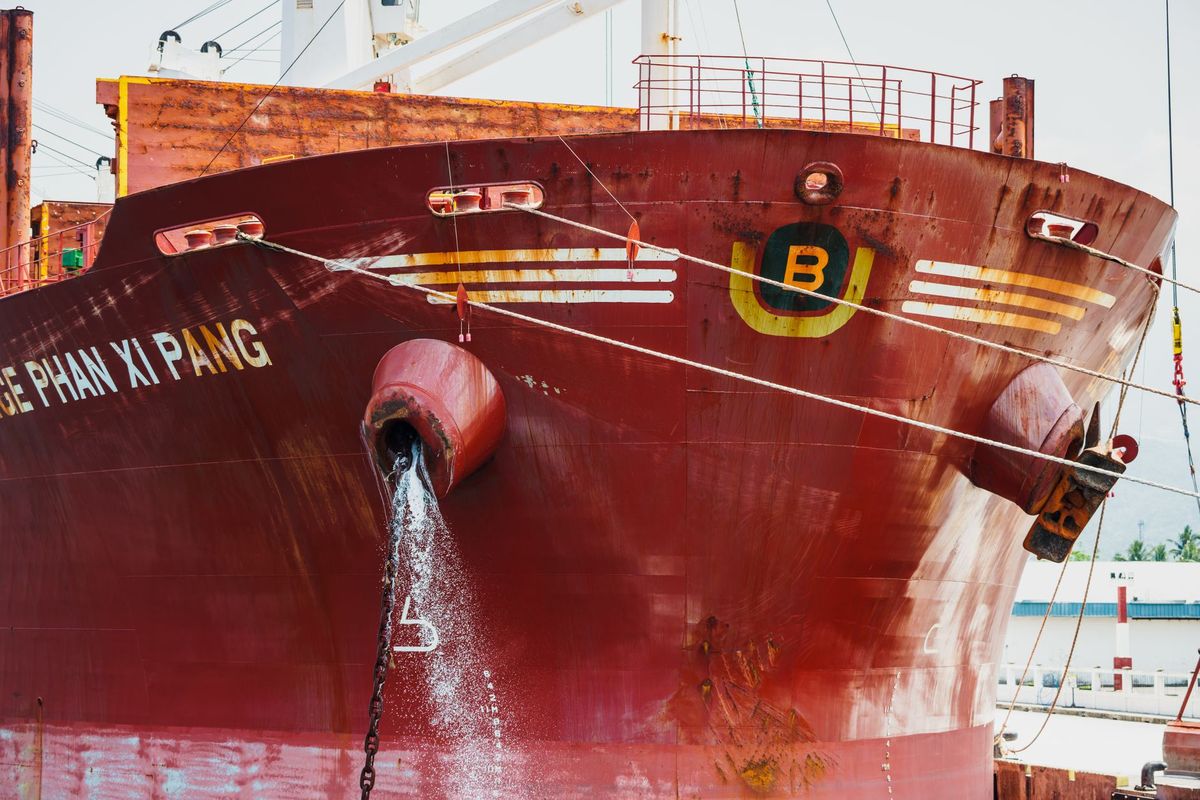
According to a report in the Saudi Gazette, researchers have issued a warning regarding the potential for a global wave of biological invasions resulting from the accumulation of marine organisms on the hulls of commercial vessels. The study, published in the journal Biological Invasions, suggests that ships remaining stationary for extended periods in the Strait of Hormuz could act as vectors for invasive species, which may then be transported to international ports once maritime traffic resumes.
The report claims that more than 1,500 large commercial vessels have been stranded in the region following an alleged closure of the Strait of Hormuz on February 28. The researchers argue that the prolonged stationary period allows for the rapid development of biofouling, including microorganisms, algae, and various invertebrates, on ship hulls. This buildup, the study warns, could create a 'super-spreader' effect for invasive marine life across global shipping routes.
However, the premise of a total closure of the Strait of Hormuz remains unverified by major international news agencies and maritime monitoring services. While the ecological risks associated with biofouling on stationary vessels are a recognized subject of marine biological research, the specific context of a mass stranding of 1,500 vessels due to a regional blockade has not been confirmed by official sources or independent shipping trackers. The potential environmental impact remains a theoretical concern contingent upon the accuracy of the underlying report regarding the status of the waterway.
Truth Score
45/100
Disputed
Why this score
While the scientific premise regarding biofouling on stationary ships is established, the claim that the Strait of Hormuz has been closed since February 28 is not corroborated by any trusted international wire services. The report relies on a specific, unverified premise of a total maritime blockade that contradicts current global trade reporting.
Red Flags
- contradicts official records
Cross-checked against
No corroborating trusted sources found.
Original report: Saudi Gazette