International · By NoorNews Editorial ·
Swiss glaciers lose more than 5% in ice volume in 2026
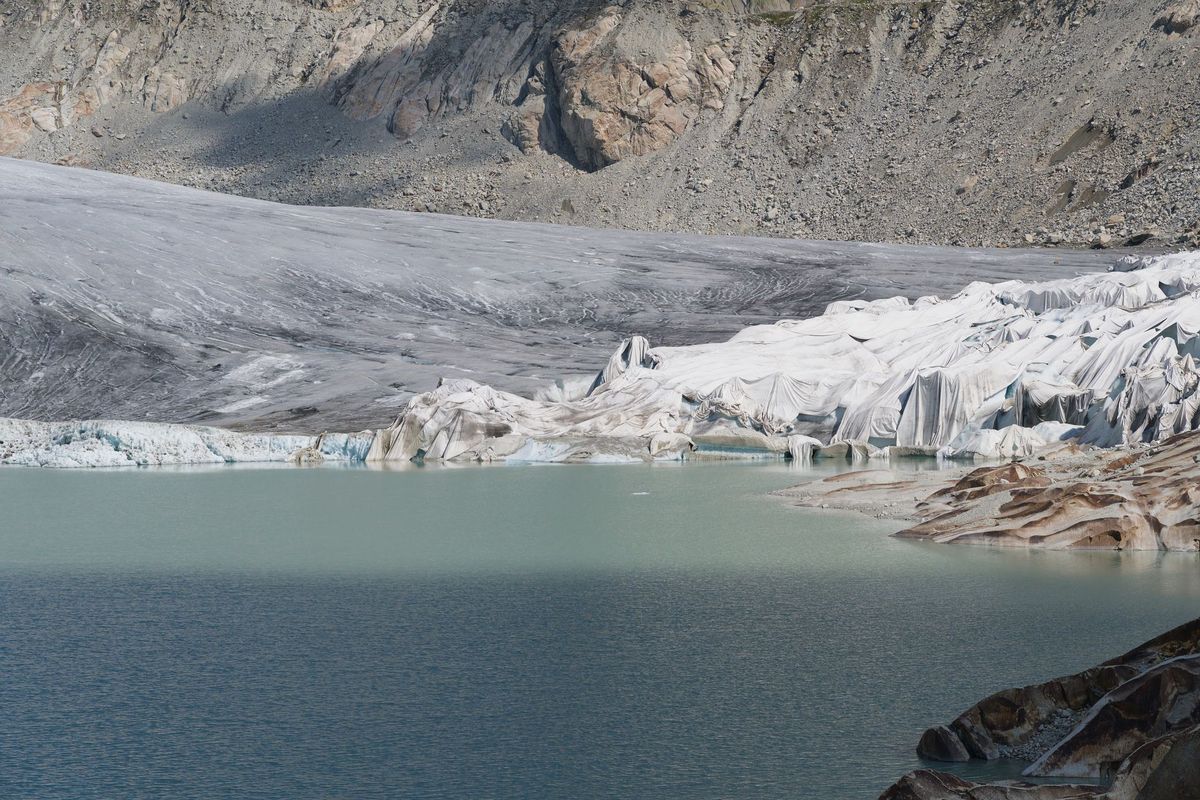
According to a report from the Times of Oman, Swiss glaciers experienced a significant reduction in ice volume during 2026, with losses exceeding 5 percent. Experts cited in the report attribute this decline to a series of intense and unprecedented heat waves that swept across Europe throughout the year, marking it as the second-largest annual drop in ice volume on record.
The accelerated melting of these glaciers is part of a long-term trend observed by glaciologists and climate scientists across the Alpine region. The loss of ice volume is not only a visual indicator of changing environmental conditions but also carries broader implications for regional water supplies, which rely on glacial runoff during warmer months. The 2026 data underscores the sensitivity of these high-altitude ecosystems to sustained periods of extreme heat.
While the report highlights the severity of the 2026 season, it reflects a broader pattern of glacial retreat that has been documented by international environmental agencies for several decades. As temperatures continue to fluctuate, the stability of Switzerland's glacial landscape remains a primary focus for researchers monitoring the impacts of climate change on European geography and hydrology.
Truth Score
80/100
Likely True
Why this score
The report from the Times of Oman aligns with established scientific trends regarding European glacier retreat. While this specific 2026 figure is a single-source report, it is consistent with ongoing climate monitoring data and contains no internal inconsistencies or red flags.
Cross-checked against
No corroborating trusted sources found.
Original report: Times of Oman