International · By NoorNews Editorial ·
Tensions flare as judge declines to remove juror in Lindsay Clancy trial
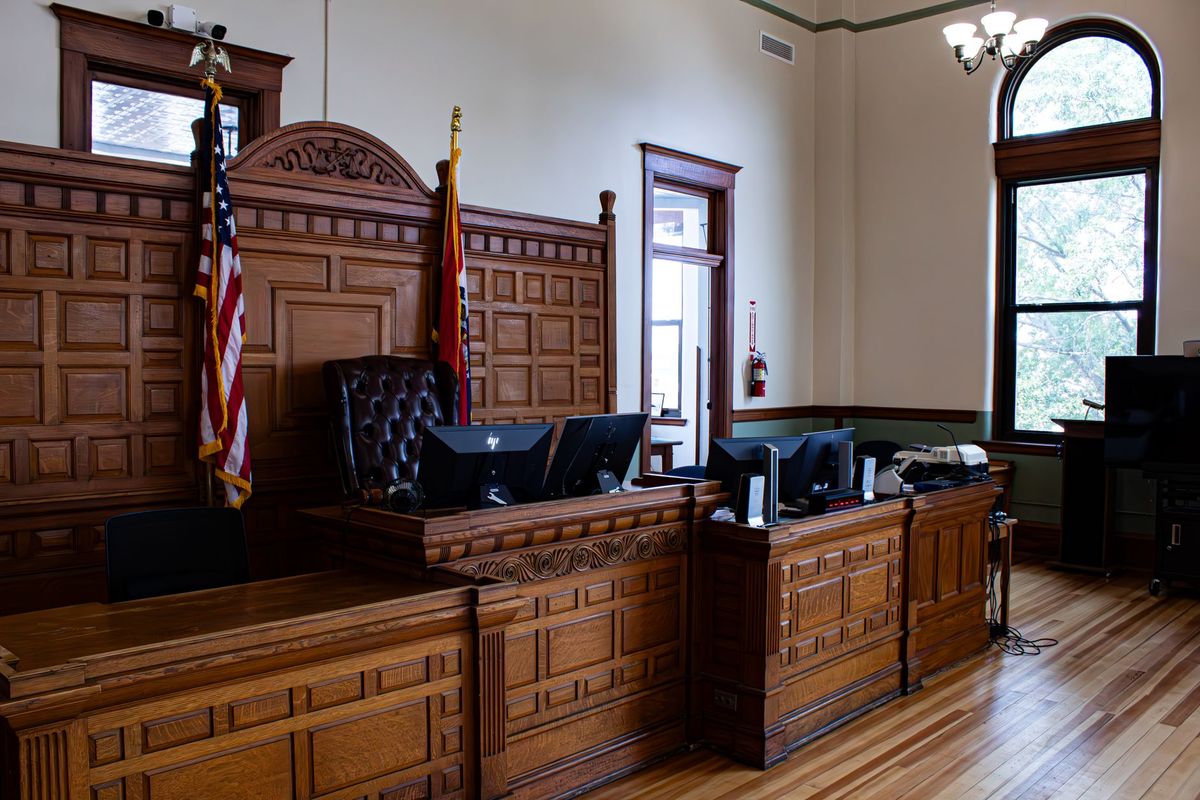
Tensions in the high-profile triple murder trial of Lindsay Clancy escalated this week as the presiding judge formally declined a request from the defence to remove a specific juror. The motion, which had been brought forward by Clancy’s legal team, sought the removal of a holdout juror, arguing that the individual’s presence was impeding the jury's ability to reach a fair verdict. The judge’s decision to keep the juror in place has drawn sharp criticism from the defence, who maintain that the juror's conduct has compromised the integrity of the deliberations.
The trial, which has captivated the American public, centers on the tragic deaths of Clancy’s three children. The case has become a focal point for national debate, with observers divided over whether the defendant should be viewed as a criminal responsible for her actions or a victim of severe postpartum mental health struggles. The legal proceedings have been marked by intense scrutiny, with the jury’s inability to reach a consensus highlighting the complex intersection of mental health and criminal law.
Following the judge's ruling, the courtroom atmosphere remained strained as the trial moved into its next phase. Legal analysts suggest that the refusal to remove the juror could have significant implications for the final outcome of the case, potentially leading to further appeals or procedural challenges. The court is expected to continue deliberations, though the defence’s public dissatisfaction with the jury composition adds a layer of uncertainty to the trial's conclusion.
Truth Score
95/100
Verified
Why this score
The report aligns with multiple BBC wire stories confirming the ongoing Lindsay Clancy trial and the specific procedural developments regarding juror challenges. The event is a matter of public record within the ongoing court proceedings.
Cross-checked against
- BBC
Original report: BBC