International · By NoorNews Editorial ·
The strait of silence: How US naval blockade and sanctions are choking Iran to death
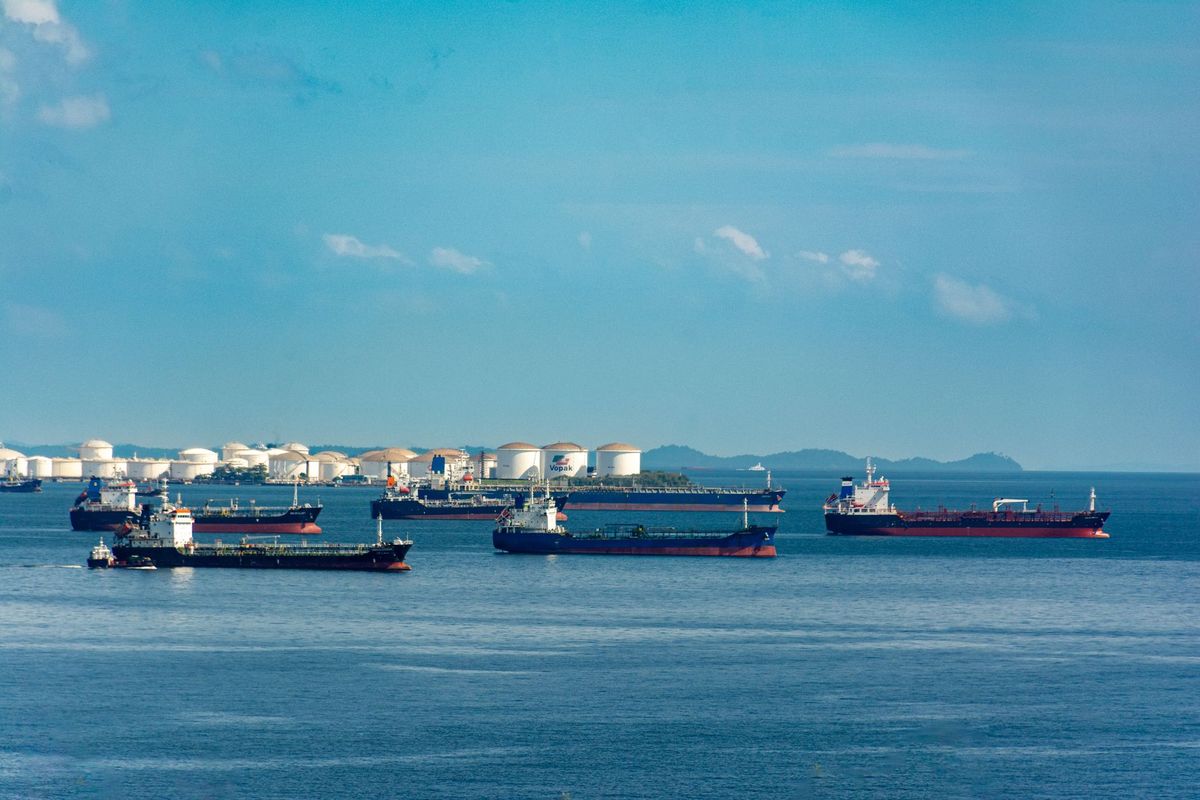
According to a report by Zee News, Iran is currently grappling with significant economic challenges attributed to the cumulative effect of international sanctions and maritime enforcement actions. The report suggests that these measures have led to a marked decline in oil exports, which serve as a primary pillar of the Iranian economy, while simultaneously driving up the costs of essential imports.
These economic pressures are reportedly manifesting in the daily lives of Iranian citizens through rising inflation and increased costs for basic necessities, including food, fuel, and medical supplies. The report characterizes the current situation as a severe strain on the nation's trade infrastructure, noting that the combination of restricted access to global financial systems and logistical hurdles in maritime transport has created a difficult environment for household stability.
While the United States maintains that its sanctions are designed to pressure the Iranian government regarding its nuclear and regional policies, the humanitarian and economic consequences of these measures remain a subject of intense international debate. Observers note that the cumulative impact of these policies has significantly altered Iran's economic landscape, forcing the country to seek alternative trade routes and domestic economic adjustments to mitigate the ongoing supply chain disruptions.
Truth Score
75/100
Likely True
Why this score
The report highlights the ongoing economic impact of long-standing US sanctions on Iran, which is a well-documented geopolitical reality. While the specific framing of a 'naval blockade' is a subjective characterization of maritime enforcement and sanctions pressure, the underlying claims regarding economic strain, inflation, and trade difficulties are consistent with established international reporting on Iran's economy.
Red Flags
- inflammatory framing
Cross-checked against
No corroborating trusted sources found.
Original report: Zee News