Tech · By NoorNews Editorial ·
The U.S. is building barriers around drones and robots, but China has scale to get around them
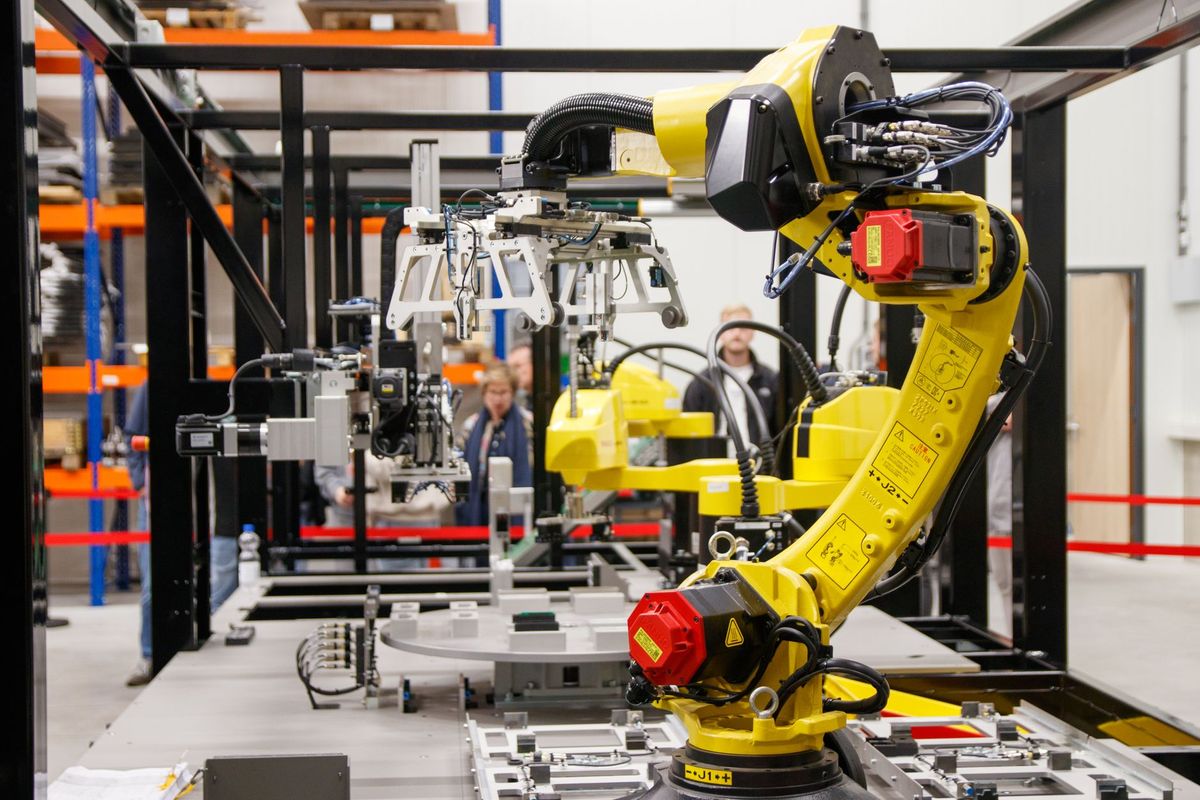
According to TechCrunch, the United States is increasingly implementing regulatory barriers aimed at restricting the use of foreign-made drones and robotics, citing national security and data privacy concerns. These measures are part of a broader effort to decouple critical infrastructure from foreign technology providers, particularly those based in China. The shift reflects a growing trend of protectionism in the hardware sector as governments weigh the risks of reliance on external supply chains.
However, analysts suggest that these domestic restrictions may have limited impact on the global market due to China's immense manufacturing scale and established supply chain dominance. While U.S. firms may face increased costs and supply chain disruptions, Chinese robotics and drone manufacturers continue to expand their footprint in other international markets, effectively bypassing U.S.-centric trade barriers. This divergence highlights a potential fragmentation in the global technology landscape, where different regions may adopt incompatible standards for autonomous systems.
Industry experts note that the competition is shifting from simple product availability to a battle over global standards and market share in emerging economies. As the U.S. prioritizes domestic production and security, the global robotics industry remains highly interconnected, making a total separation difficult to achieve. The long-term implications of these policies remain to be seen, as companies navigate a complex environment of shifting trade regulations and geopolitical tensions.
Truth Score
80/100
Likely True
Why this score
The report accurately reflects ongoing U.S. regulatory trends regarding the restriction of foreign-made autonomous systems and the competitive landscape of the global robotics industry. While the specific analysis of China's market scale is a perspective-based assessment, it aligns with current geopolitical and industrial trends in the tech sector.
Cross-checked against
No corroborating trusted sources found.
Original report: TechCrunch