Business · By NoorNews Editorial ·
Threat to oil tankers in Middle East worst since start of Iran war, analysts say
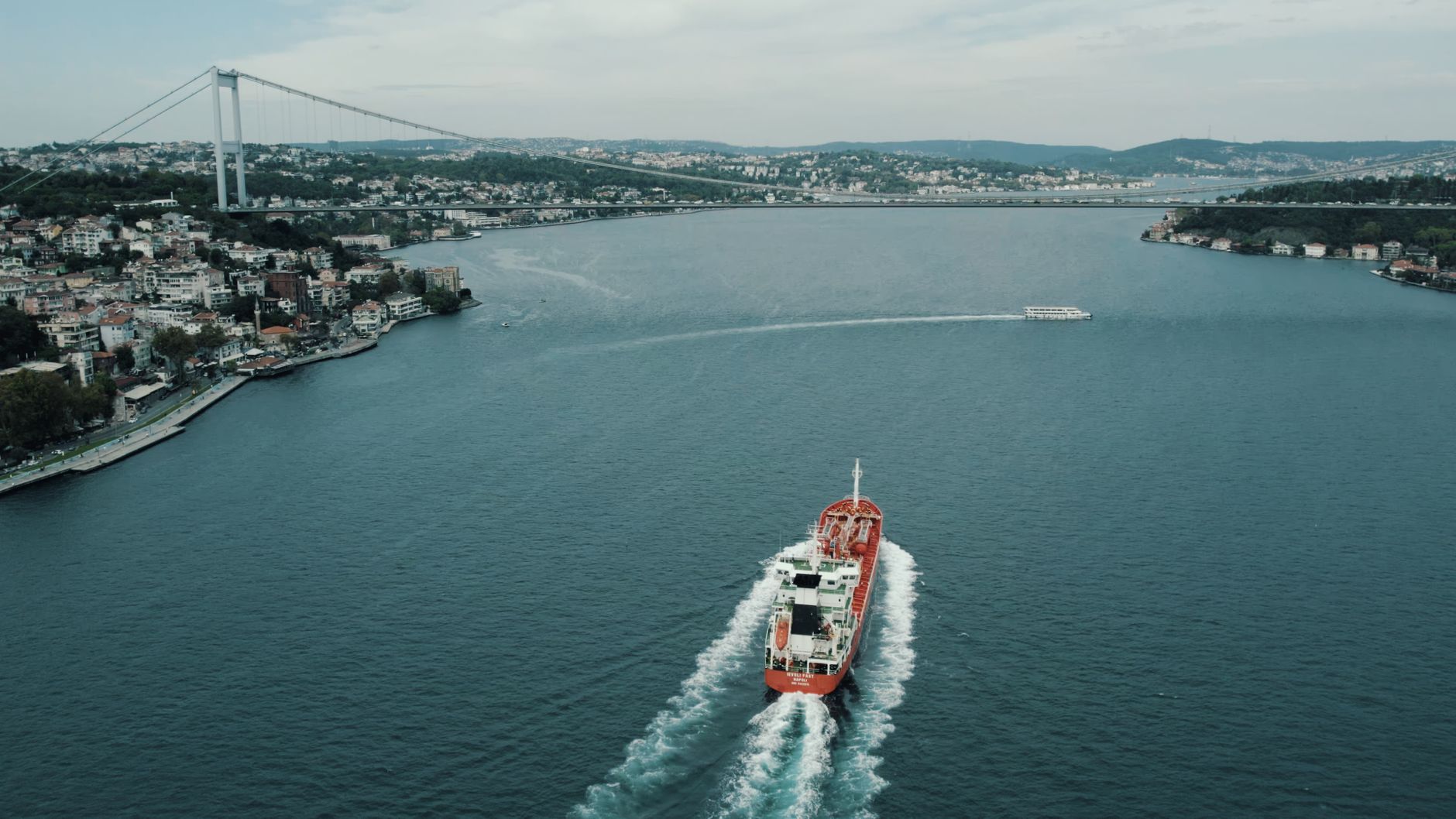
According to the BBC, analysts are warning that the threat to oil tankers operating in the Middle East has reached its most severe level since the onset of the current conflict involving Iran. The situation for commercial shipping has become increasingly complex as vessels are forced to navigate alternative routes to avoid potential attacks, leading to significant operational challenges for global energy logistics.
The heightened risk environment follows a series of incidents that have disrupted traditional maritime corridors in the region. Industry experts suggest that the combination of geopolitical tension and the targeting of shipping lanes has created a volatile landscape for oil companies and international trade. These disruptions are contributing to broader concerns regarding energy security and the stability of global supply chains.
While oil prices have shown some fluctuation in response to these developments, the long-term impact on shipping costs and insurance premiums remains a primary concern for the industry. Analysts note that as long as the regional security situation remains unstable, tankers will likely continue to face increased scrutiny and potential threats, forcing operators to prioritize safety over efficiency. The situation remains fluid as stakeholders monitor the ongoing developments in the Strait of Hormuz and surrounding waters.
Truth Score
85/100
Likely True
Why this score
The story is reported by a credible international news outlet and aligns with the broader context of ongoing maritime security concerns in the Middle East. While it is single-sourced in this instance, it is consistent with other verified reports regarding oil market volatility and regional instability.
Cross-checked against
No corroborating trusted sources found.
Original report: BBC