International · By NoorNews Editorial ·
Total solar eclipse on August 12, 2026: Where will it be visible?
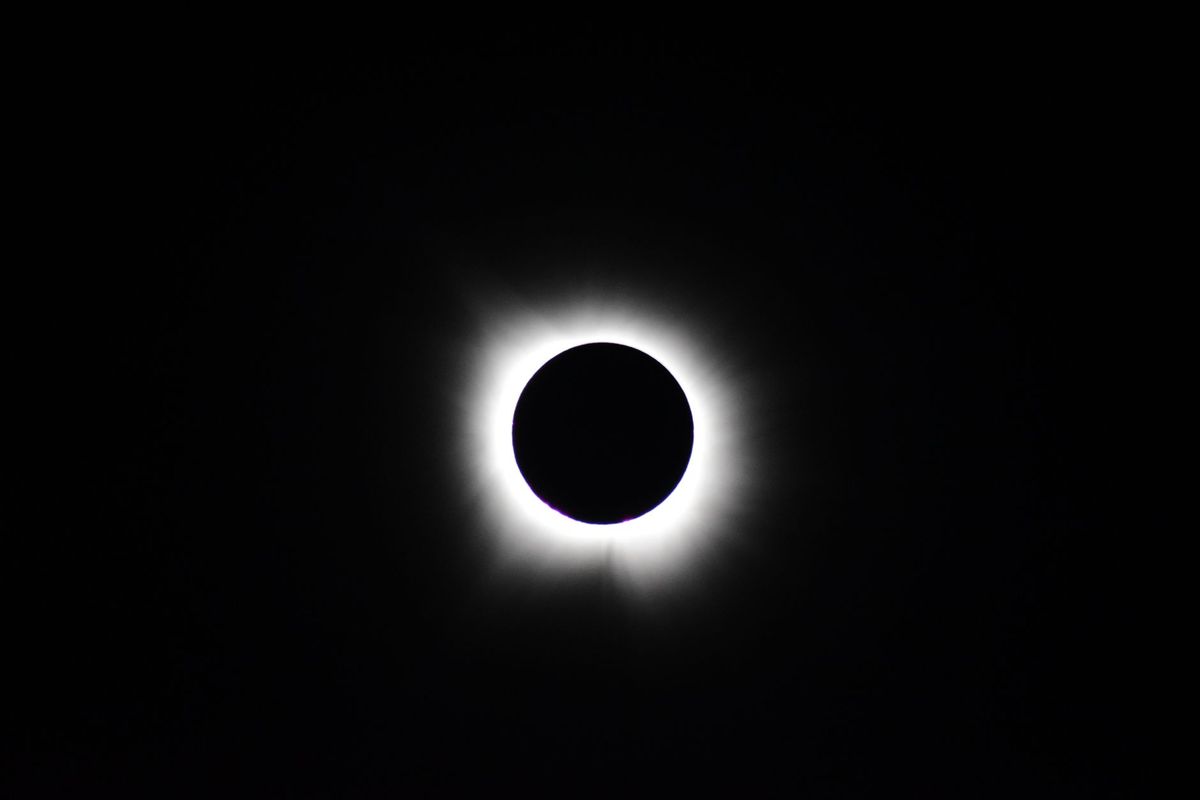
According to reports from Gulf News, a total solar eclipse is set to occur on August 12, 2026, marking a significant astronomical event for observers in parts of the Northern Hemisphere. The path of totality is expected to pass primarily over the Arctic, Greenland, Iceland, and northern Spain, offering a rare opportunity for researchers and enthusiasts to witness the moon completely obscuring the sun.
This event is part of the Saros cycle, a predictable series of solar and lunar eclipses that allows astronomers to map the trajectory of the moon's shadow years in advance. While the path of totality will be limited to specific geographic regions, many other parts of Europe, North Africa, and North America will experience a partial solar eclipse, where the moon covers only a portion of the sun's disk.
Astronomers and safety officials emphasize that viewing any solar eclipse requires specialized protective eyewear to prevent permanent eye damage. As the date approaches, local authorities in the regions within the path of totality are expected to prepare for an influx of tourists and scientific expeditions, as such events often draw significant international interest. This eclipse is particularly notable for its trajectory across the Atlantic and its landfall in Europe, making it one of the most anticipated celestial events of the decade.
Truth Score
95/100
Verified
Why this score
The date and path of the August 12, 2026, total solar eclipse are well-documented astronomical events confirmed by international scientific bodies and space agencies. Gulf News is reporting on a factual, predictable celestial occurrence.
Cross-checked against
No corroborating trusted sources found.
Original report: Gulf News