India · By NoorNews Editorial ·
TV Newsance 348 | NEET protest ya CIA plot? Godi media's 4-step formula exposed
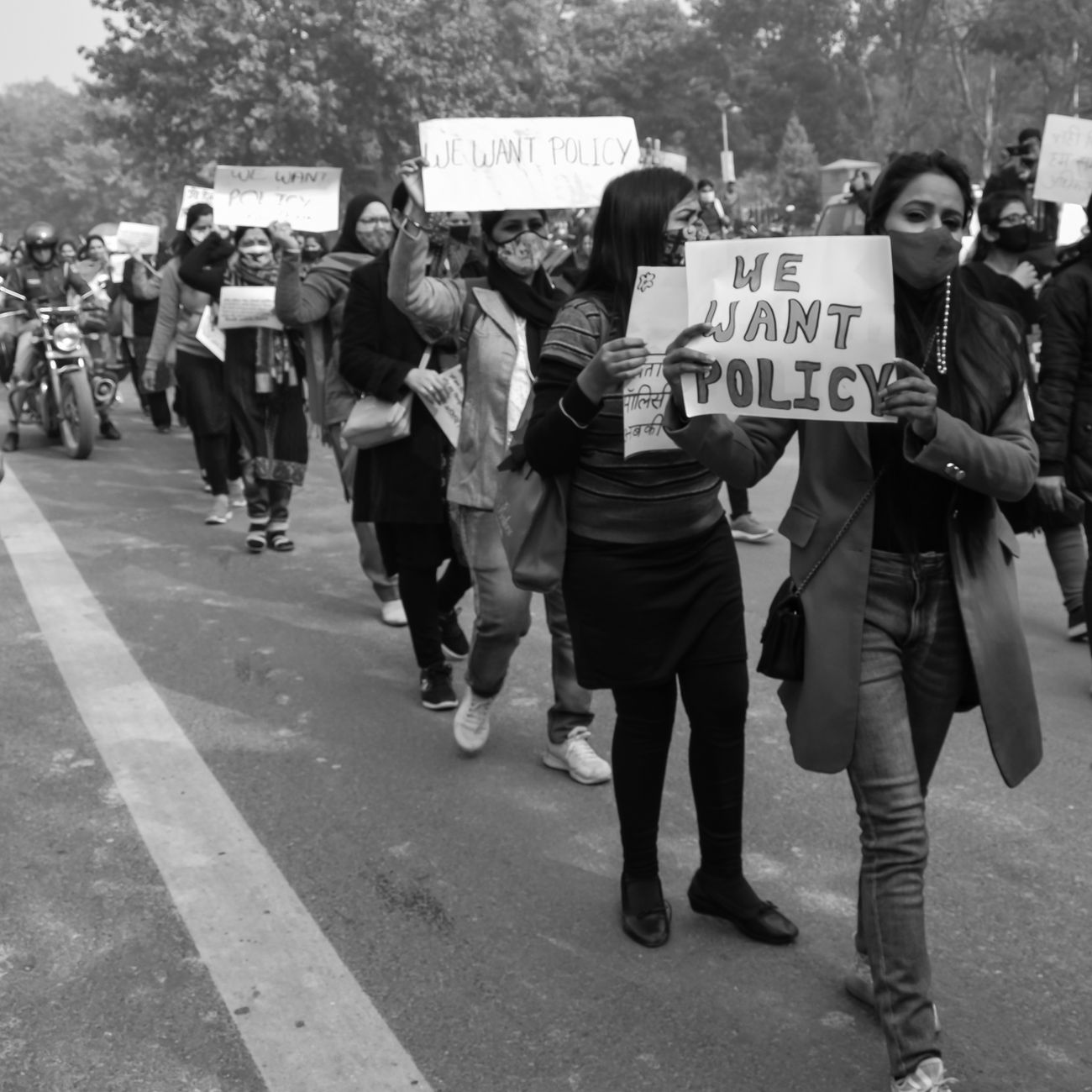
According to Newslaundry, recent protests surrounding the NEET examination in India have been subjected to intense and polarized scrutiny by mainstream television news outlets. The report argues that certain media segments employed a specific four-step formula to frame the demonstrations, questioning the legitimacy of the protesters by suggesting potential external influence or conspiracy, rather than focusing on the core grievances of the students.
This media critique follows a period of significant civil unrest in India, which culminated in the resignation of the education minister. Trusted wire reports confirm that the protests, which included unconventional tactics such as the 'cockroach' demonstrations, were widespread enough to force a change in government leadership. While the protests have since been called off following the minister's departure, the discourse surrounding how the media covered these events remains a point of contention.
Newslaundry's analysis highlights a broader trend of skepticism toward mainstream media narratives during periods of domestic political instability. By contrasting the official reporting with the experiences of those on the ground, the outlet aims to expose what it characterizes as biased framing. The resignation of the education minister marks a significant development in the ongoing NEET controversy, though the debate over the integrity of the examination process and the subsequent media response continues to resonate across the country.
Truth Score
75/100
Likely True
Why this score
The story is a media critique piece from Newslaundry analyzing the coverage of NEET-related protests in India. While the specific media analysis is the outlet's editorial perspective, the underlying events regarding protests and the resignation of the education minister are corroborated by trusted wires.
Red Flags
- inflammatory framing
Cross-checked against
- India's 'cockroach' protest called off after education minister quits
- Protesters celebrate resignation of India's education minister
- India cockroach protests: Videos show officers firing 'pellet guns'
Original report: Newslaundry