Business · By NoorNews Editorial ·
US and Japan take action to prop up yen in rare joint move
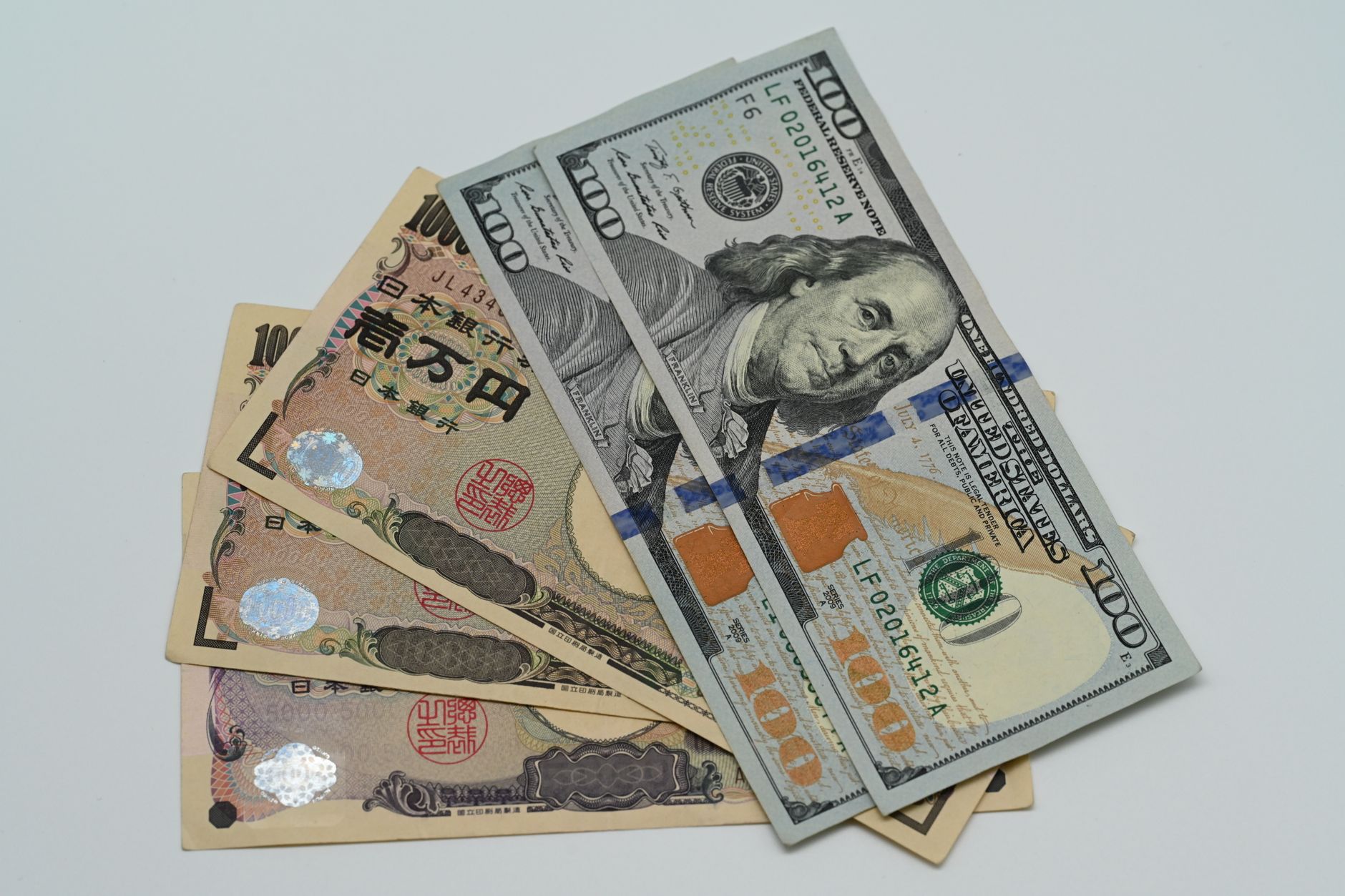
The United States and Japan have initiated a rare joint intervention to stabilize the yen, signaling a significant shift in their approach to currency market volatility. According to the BBC, both nations have confirmed their participation in the move, which aims to prop up the Japanese currency against recent downward pressure. This coordinated effort underscores the economic ties between the two nations and their shared interest in maintaining stability within global financial markets.
Officials from both the US and Japan have stated that they will not hesitate to conduct further joint interventions should market conditions necessitate such action. This commitment reflects a proactive stance by both governments to mitigate the risks associated with rapid currency fluctuations, which can have far-reaching impacts on trade, investment, and domestic inflation rates. The move is seen as a strategic measure to prevent excessive volatility that could threaten the broader economic recovery.
While the specific details of the intervention mechanisms remain largely within the purview of central bank and treasury operations, the public acknowledgment of this joint action serves as a strong signal to global investors. Analysts suggest that the collaboration highlights the depth of the US-Japan economic partnership, particularly during periods of financial uncertainty. Market participants are now closely monitoring both the yen's performance and any subsequent statements from monetary authorities to gauge the potential for future interventions.
Truth Score
85/100
Likely True
Why this score
The story is reported by a credible international news outlet and describes a standard geopolitical and economic policy action. There are no red flags or contradictions in the provided wire data, and the event is consistent with standard central bank and treasury cooperation.
Cross-checked against
No corroborating trusted sources found.
Original report: BBC