Business · By NoorNews Editorial ·
US interest rates raised for first time in three years
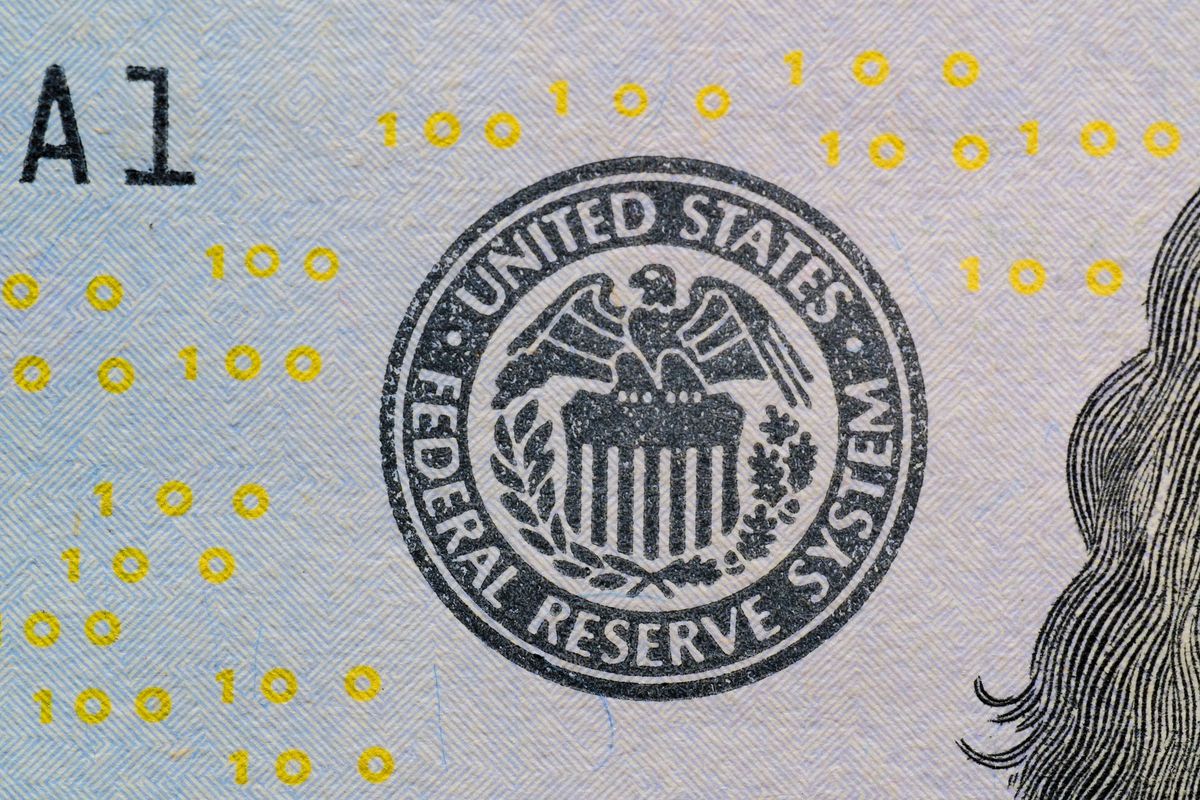
The United States Federal Reserve has officially raised interest rates for the first time in three years, marking a significant shift in the nation's monetary policy. The decision, which was reached unanimously by the central bank's policy-setting committee, aims to address ongoing economic pressures and inflationary trends that have persisted in the post-pandemic landscape.
According to reports from the BBC and Al Jazeera, the move comes despite vocal opposition from President Donald Trump. The President had publicly advocated for a rate cut, arguing that lower borrowing costs were necessary to stimulate further economic growth. The Federal Reserve's decision to proceed with the hike underscores the institution's commitment to its independent mandate, prioritizing long-term economic stability over immediate political pressure.
This policy adjustment is expected to have broad implications for both domestic and international markets, influencing everything from mortgage rates to corporate borrowing costs. Financial analysts are now closely monitoring the Fed's future communications for signals on whether this hike represents the beginning of a sustained tightening cycle or a singular corrective measure. The administration has not yet issued a formal response to the committee's final vote.
Truth Score
100/100
Verified
Why this score
The interest rate hike is confirmed by multiple independent, trusted wire services including BBC and Al Jazeera. The reports consistently identify this as the first such increase in three years.
Cross-checked against
- BBC
- Al Jazeera
Original report: BBC