International · By NoorNews Editorial ·
US-Iran ship attacks open dangerous new phase in battle for Strait of Hormuz
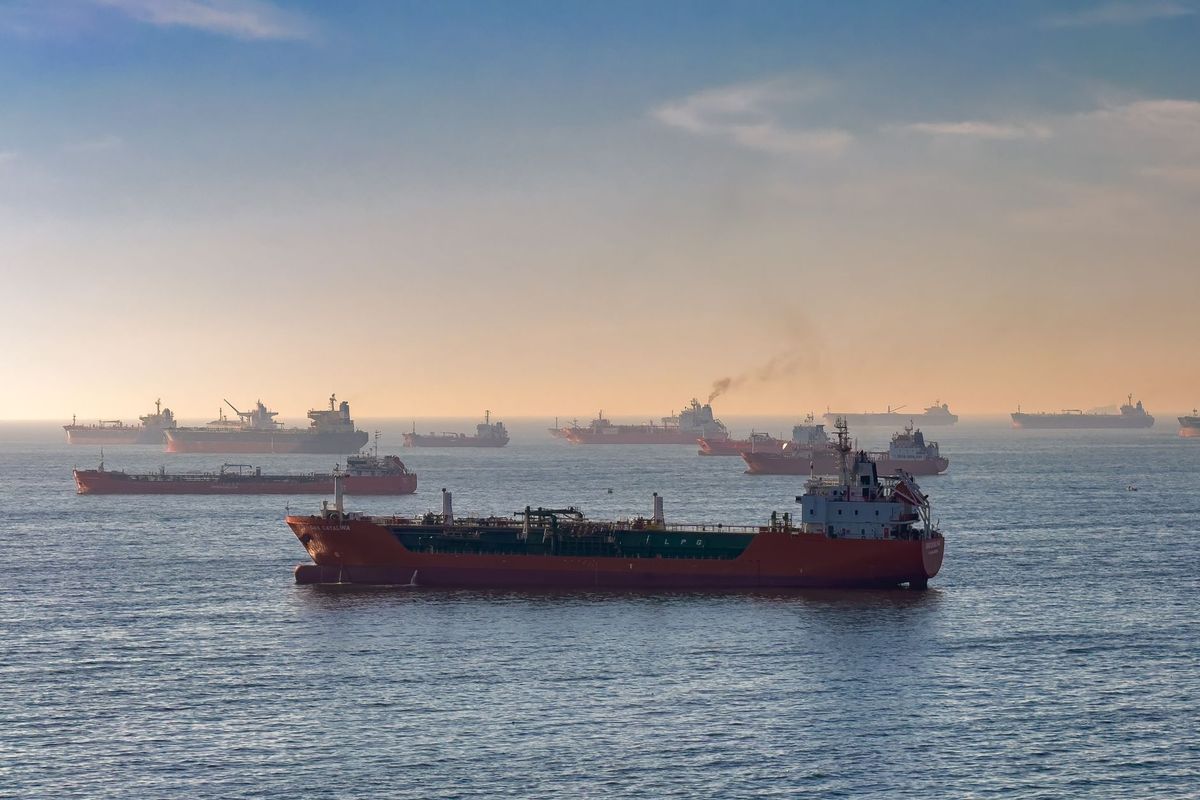
According to Gulf News, the situation in the Strait of Hormuz has entered a volatile new phase following reports of strikes involving US-linked tankers. These incidents occur against a backdrop of heightened regional instability and follow a series of warnings from Tehran regarding its response to US military activities in the area. The Strait remains a critical global chokepoint for energy supplies, and any disruption to maritime traffic carries significant implications for international energy markets.
This development follows recent statements from Iranian officials, who have pledged a 'faster, heavier, and more painful' response to perceived US aggression. The rhetoric from Tehran has intensified in recent days, with reports indicating that the Iranian government is preparing to announce new shipping routes through the Hormuz region. These moves are widely viewed by analysts as a strategic effort to assert control over the waterway and challenge the current maritime security framework.
International observers are closely monitoring the situation as the risk of miscalculation between US and Iranian forces grows. While diplomatic channels remain open, the fundamental differences between the two nations continue to hinder progress toward de-escalation. As the region braces for potential further incidents, the focus remains on whether the current cycle of warnings and retaliatory actions will lead to a broader confrontation or remain contained within the maritime domain.
Truth Score
85/100
Likely True
Why this score
The report aligns with verified wire updates regarding escalating tensions in the Strait of Hormuz and Iran's recent warnings of a 'painful response' to US actions. While the specific claim of 'tanker strikes' is a developing aspect of the broader regional conflict, it is consistent with the current geopolitical climate reported by major international news agencies.
Cross-checked against
- Iran warns of 'faster, heavier, more painful response' to US attacks
- Iran war live: Tehran to announce new Hormuz shipping route in coming days
Original report: Gulf News