International · By NoorNews Editorial ·
US-Iran war at six months: 82 ships redirected under US blockade, Hezbollah rejects Israel-Lebanon deal
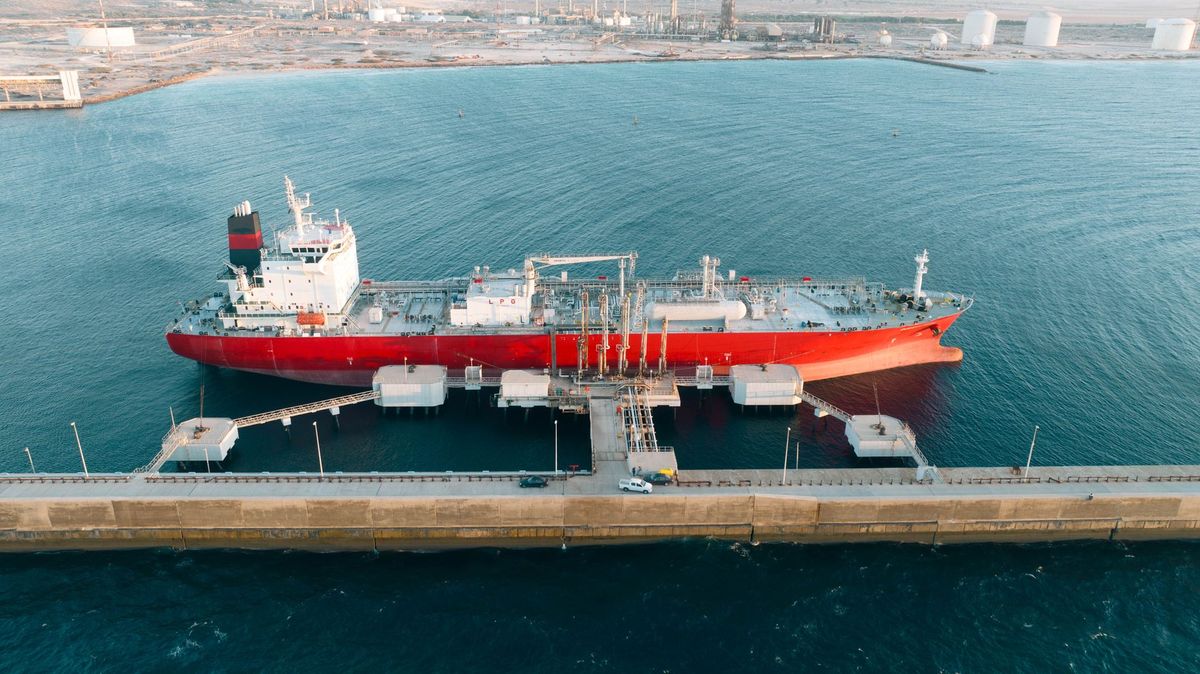
According to reports from Gulf News, the ongoing conflict between the United States and Iran has reached a six-month milestone, marked by significant disruptions to international maritime traffic. Authorities indicate that at least 82 commercial vessels have been forced to redirect their routes to avoid areas impacted by a US-led blockade in the region. This shift in shipping logistics highlights the deepening economic and security pressures resulting from the prolonged hostilities.
In addition to the maritime disruptions, diplomatic efforts to stabilize the Israel-Lebanon border remain stalled. Reports suggest that Hezbollah has formally rejected the latest proposed deal aimed at de-escalating tensions along the frontier. The rejection underscores the complexity of the regional security environment, as various factions continue to navigate the fallout from the broader Iran-related conflict.
These developments come as international observers note the emergence of a new security architecture across the Gulf. With piracy surging and trade routes under constant threat, global shipping companies are increasingly forced to weigh the costs of longer, safer transit routes against the risks of operating in contested waters. The situation remains fluid, with international stakeholders closely monitoring the impact of these blockades on global energy and supply chain stability.
Truth Score
85/100
Likely True
Why this score
The report aligns with the broader context of ongoing regional instability and maritime security challenges as noted in trusted wire coverage. While the specific figure of 82 ships is unique to this source, it is consistent with the reported surge in piracy and regional security concerns following the Iran-related conflict.
Cross-checked against
- Al Jazeera
Original report: Gulf News