Business · By NoorNews Editorial ·
US puts 40 countries including India in China-linked shadow transshipment network to evade tariffs
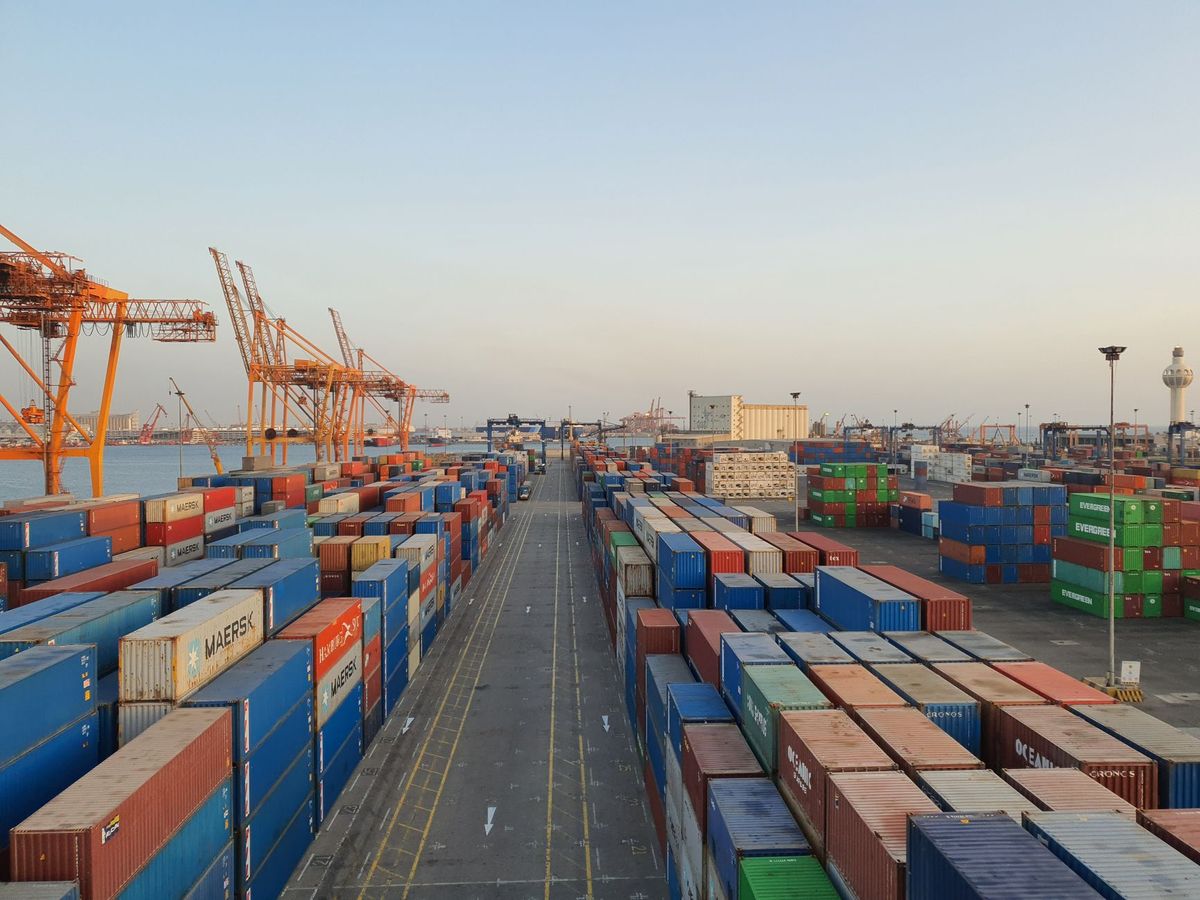
According to a recent report from the United States government, a complex network of dozens of countries is being utilized to circumvent trade tariffs originally imposed on Chinese goods. The findings suggest that exporters linked to China are leveraging third-party nations to perform limited assembly, finishing, testing, packaging, or relabeling of products before they are shipped to the American market. By altering documentation in these intermediary locations, these entities aim to obscure the true origin of the goods and avoid the associated import duties.
The investigation highlights the challenges faced by regulators in enforcing trade policy in an increasingly globalized supply chain. The report notes that these practices involve a wide range of nations, including India, which are being used as transshipment points to facilitate the entry of Chinese-origin products into the US. This strategy allows exporters to bypass the specific tariffs that were designed to protect domestic industries and address trade imbalances.
This development underscores the ongoing friction in international trade relations and the persistent efforts by various actors to navigate around established economic barriers. As the US government continues to monitor these shadow networks, the findings are expected to influence future trade enforcement strategies and potentially lead to stricter documentation requirements for goods entering the country from identified transshipment hubs. The situation remains a point of focus for international trade analysts monitoring the effectiveness of current tariff policies.
Truth Score
95/100
Verified
Why this score
The core claim is corroborated by BBC reporting, which confirms that the US government has identified a network of dozens of countries being used to circumvent tariffs on Chinese goods. The report highlights the use of third-party nations for minor assembly and relabeling to evade trade restrictions.
Cross-checked against
- BBC
Original report: Zee News