Tech · By NoorNews Editorial ·
वैज्ञानिकों का कमाल, कटने के बाद खुद ठीक हो जाएगी Electronic Skin, Wearable टेक्नोलॉजी में आएगा बड़ा बदलाव
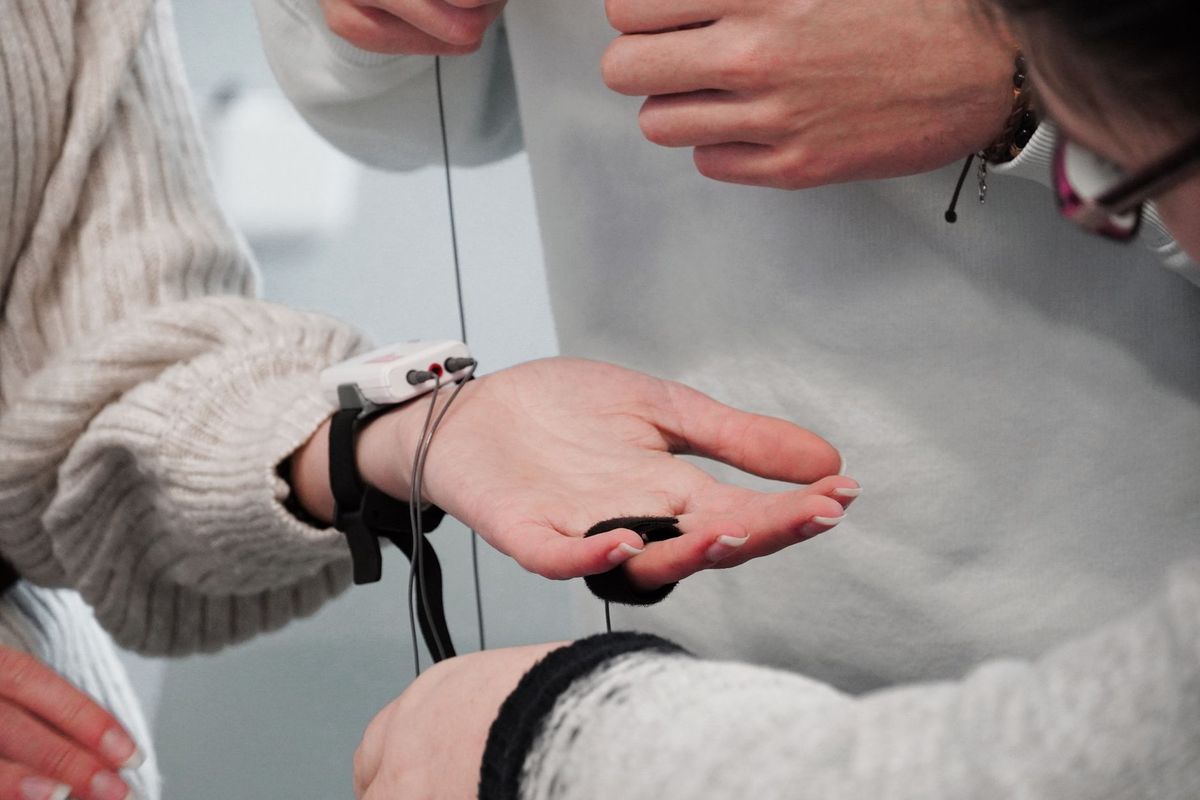
Researchers have reported a significant breakthrough in wearable technology with the development of a new type of 'electronic skin' capable of repairing itself after being cut or damaged. According to a report by Navabharat, this innovation utilizes advanced materials that can restore their structural and functional integrity, potentially extending the lifespan and reliability of wearable health monitors and robotic sensors.
The technology relies on polymers designed with dynamic chemical bonds that allow the material to 'heal' when brought back into contact. This development addresses one of the primary challenges in the field of soft electronics, where devices are often prone to mechanical failure due to the constant stretching and bending associated with human movement or robotic articulation.
Experts suggest that this advancement could lead to a new generation of durable, long-lasting wearable devices that can withstand the rigors of daily use. By reducing the need for frequent replacements, self-healing materials may also contribute to a reduction in electronic waste within the rapidly growing wearable technology sector. Further research is expected to focus on scaling the production of these materials for commercial applications.
Truth Score
75/100
Likely True
Why this score
The report describes advancements in self-healing electronic skin, a well-documented area of material science research. While the specific article from Navabharat is a single-source report, the underlying technology aligns with ongoing global developments in flexible, self-repairing polymer electronics.
Cross-checked against
No corroborating trusted sources found.
Original report: Navabharat