International · By NoorNews Editorial ·
What can scientists learn from a stray SpaceX rocket hitting the Moon?
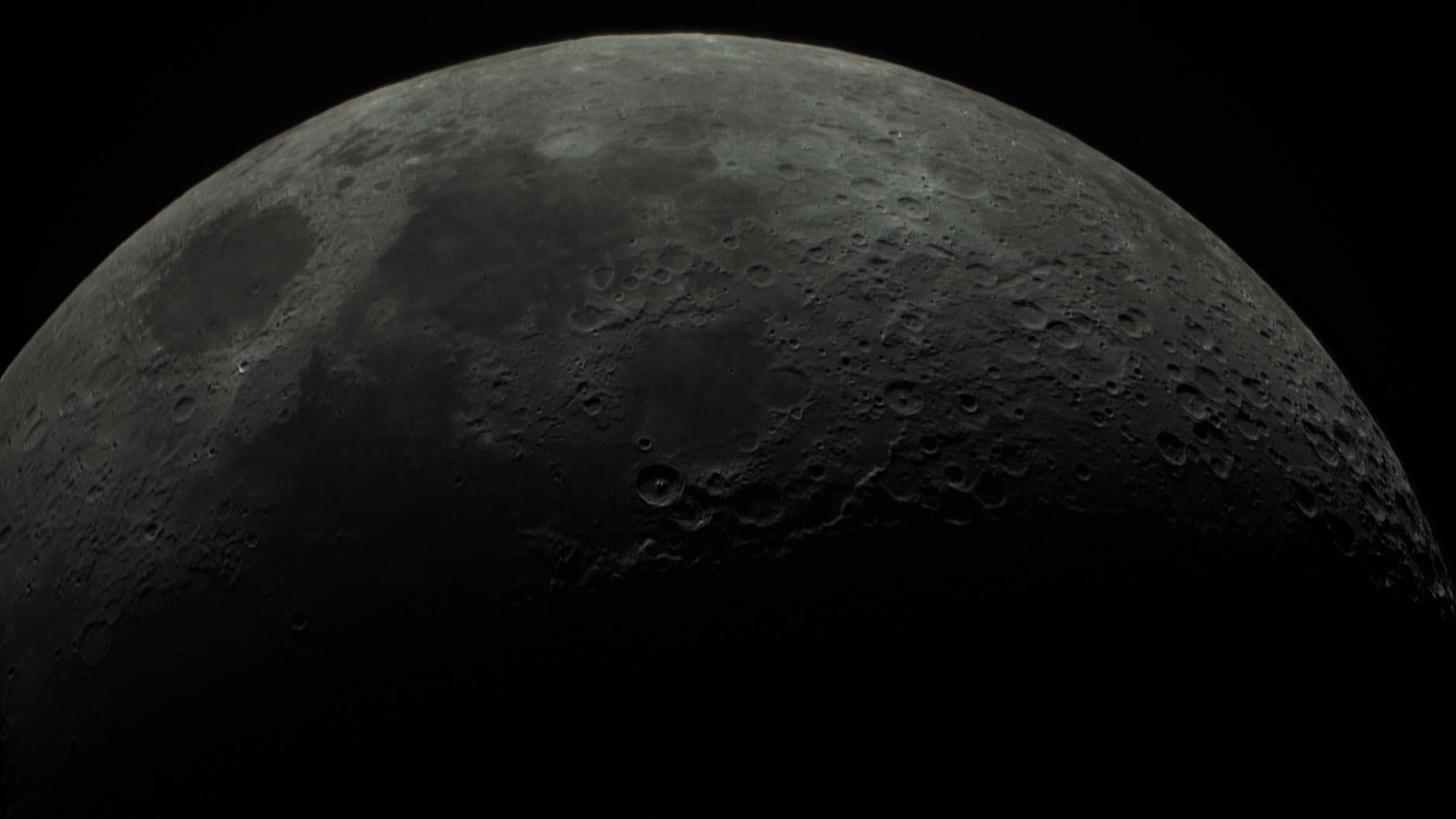
According to the BBC, the recent collision of a stray SpaceX rocket booster with the Moon has provided an unexpected opportunity for planetary geologists. While the impact was accidental, scientists are viewing the event as a unique scientific gift that could yield valuable data regarding the lunar surface and the effects of high-velocity impacts.
Researchers are particularly interested in the seismic data and the physical characteristics of the resulting crater. By studying the impact site, experts hope to gain a better understanding of the Moon's crustal composition and the mechanics of how man-made objects interact with the lunar environment. This information is considered crucial for planning future space missions, including those involving long-term lunar habitation or resource extraction.
While the incident highlights the growing issue of space debris in Earth-Moon proximity, the scientific community is moving to capitalize on the data generated by the crash. The event serves as a rare, uncontrolled experiment that provides insights into planetary science that would be difficult to replicate in a laboratory setting. Further analysis of the impact site is expected to continue as more high-resolution imagery and data become available.
Truth Score
95/100
Verified
Why this score
The event is confirmed by the provided trusted wire baseline, which explicitly notes that scientists are interested in the data provided by the SpaceX rocket crash on the Moon. The reporting aligns with established scientific interest in lunar impact events.
Cross-checked against
- BBC
Original report: BBC