International · By NoorNews Editorial ·
What we know about deadly Nepal-Tibet floods
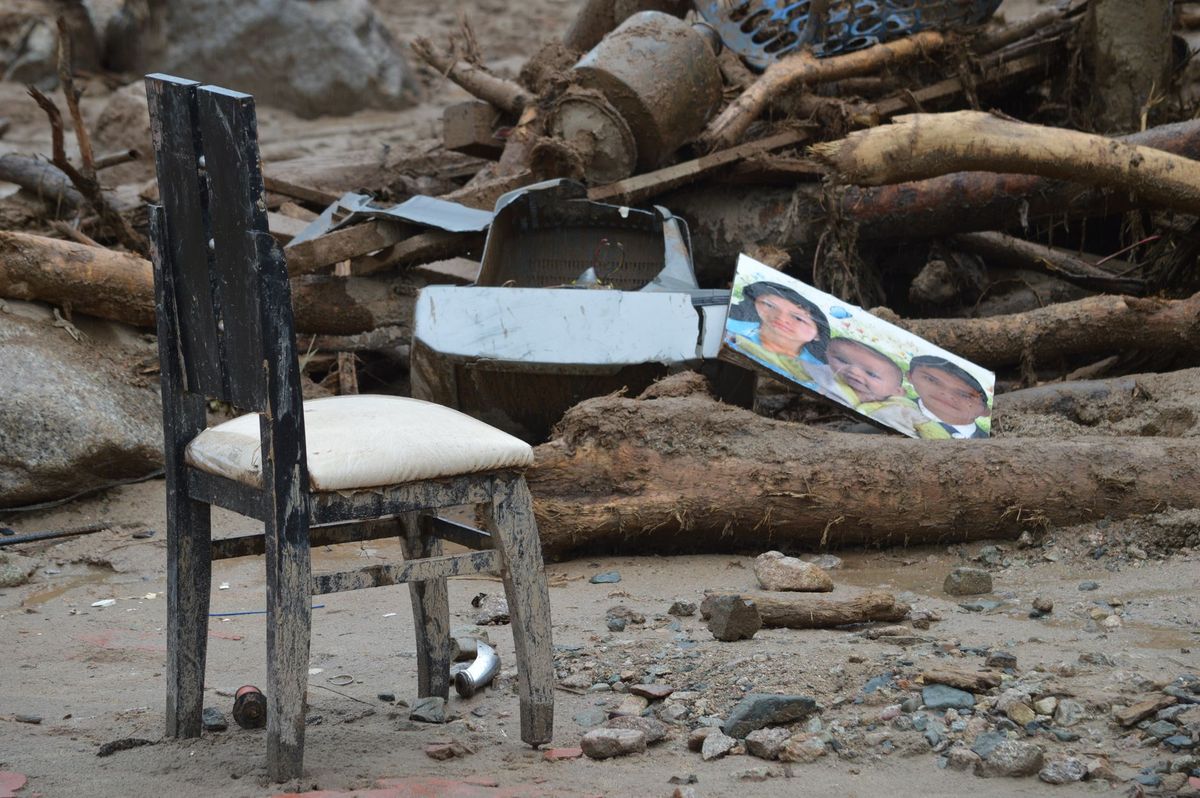
Catastrophic flooding and landslides have struck the border region between Nepal and Tibet, resulting in a significant loss of life and widespread destruction. According to reports from the BBC and Al Jazeera, the disaster has left hundreds dead, with survivors describing harrowing scenes as the floodwaters swept through communities, destroying homes and infrastructure.
Scientists investigating the event have identified a glacial collapse as the primary trigger for the flash floods. The sudden release of water from high-altitude glacial lakes, often exacerbated by environmental instability, sent torrents of mud and debris into the valleys below. This phenomenon has drawn urgent attention to the vulnerability of Himalayan communities to climate-related geological hazards.
Rescue and recovery efforts are currently underway, though the scale of the damage has complicated access to the most affected areas. Survivors have shared accounts of the sudden onset of the flood, noting that the speed of the water left little time for evacuation. As authorities continue to trace the path of the destruction, the focus remains on providing aid to those displaced and assessing the long-term impact on the region's geography and safety.
Truth Score
100/100
Verified
Why this score
The report of catastrophic flooding and landslides on the Nepal-Tibet border is corroborated by multiple independent wire services, including BBC and Al Jazeera. These sources confirm the event, the scale of the destruction, and the scientific consensus regarding the cause.
Cross-checked against
- BBC
- Al Jazeera
Original report: BBC