International · By NoorNews Editorial ·
When extreme heat threatens Europe's nuclear power
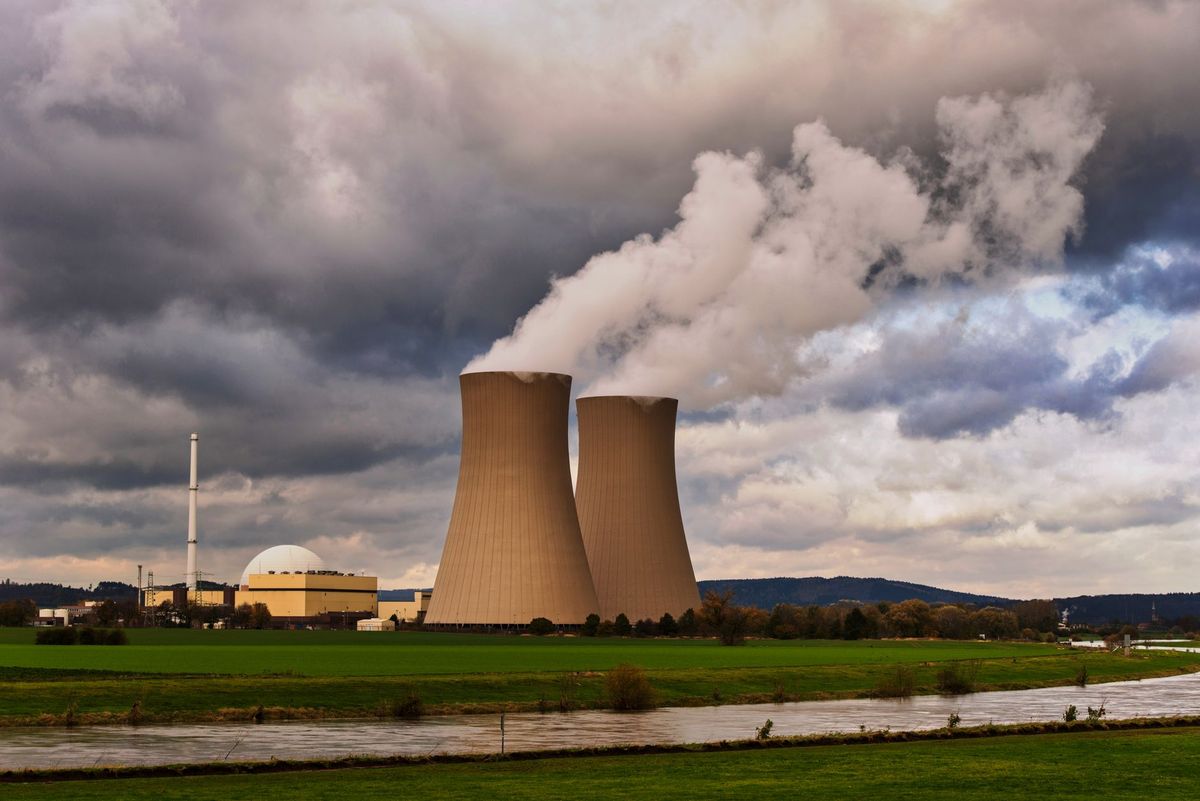
According to the Times of Oman, European nuclear power facilities are facing significant operational challenges as extreme heatwaves continue to impact the continent. The report emphasizes that nuclear power plants are highly dependent on local environmental conditions, particularly the temperature and availability of water sources used for cooling systems. The Paks nuclear power station in Hungary is cited as a primary example of how rising temperatures in the Danube River can force operators to adjust output to maintain safety standards.
This situation reflects a broader trend across Europe, where record-breaking temperatures have strained critical infrastructure. As water levels in major rivers drop and temperatures rise, the efficiency of cooling cycles in thermal and nuclear power plants is compromised. This environmental pressure often necessitates a reduction in electricity generation to prevent thermal pollution of local waterways, which can have severe ecological consequences.
The ongoing heatwave, which has been widely reported by international news agencies including Al Jazeera, has prompted concerns about energy security across the region. While power grid operators are currently managing the load, the recurring nature of these extreme weather events is forcing a re-evaluation of how energy infrastructure is designed to withstand climate-related stressors. Experts suggest that as global temperatures continue to hit record highs, the integration of more resilient cooling technologies and diversified energy sources will become increasingly vital for European energy stability.
Truth Score
85/100
Likely True
Why this score
The report highlights a well-documented technical challenge regarding nuclear power plant cooling systems during extreme heatwaves. While the specific mention of the Paks plant is a localized detail, it aligns with broader, verified reports from Al Jazeera and other international outlets regarding the impact of record-breaking heat on European infrastructure.
Cross-checked against
- Al Jazeera
Original report: Times of Oman