Business · By NoorNews Editorial ·
When Strait of Hormuz reopens, why these fouled ships could unleash silent invasion across oceans
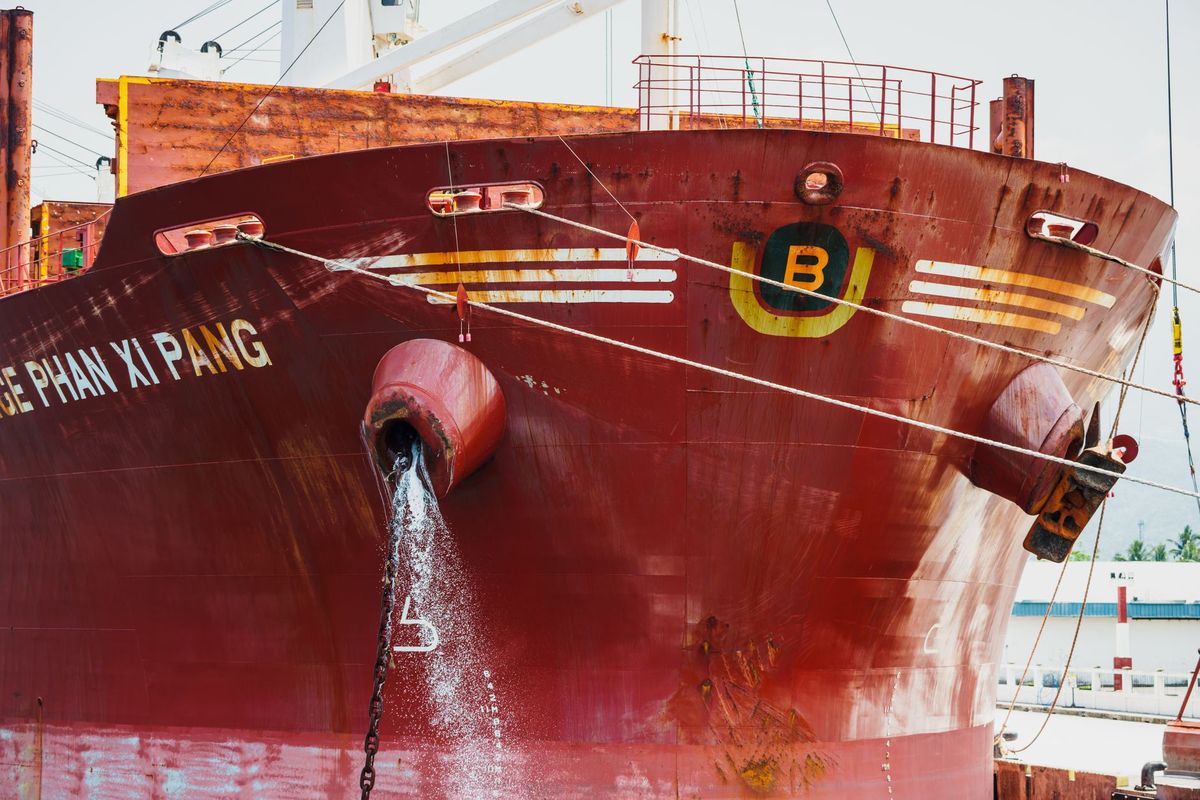
According to Zee News, scientists are raising concerns that the prolonged idling of commercial vessels in the Strait of Hormuz could lead to an unintended environmental impact once shipping traffic resumes at full capacity. The report highlights the risk of biofouling, a process where marine organisms such as barnacles, algae, and invasive species attach themselves to the hulls of ships that remain stationary for extended periods.
Experts suggest that as these vessels eventually depart for international ports, they may act as vectors for non-native species, potentially disrupting local marine ecosystems globally. The accumulation of marine growth on ship hulls not only poses an ecological threat but also increases drag, which can lead to higher fuel consumption and increased operational costs for shipping companies once the vessels return to active service.
While the Strait of Hormuz remains a critical chokepoint for global energy supplies, this report emphasizes the secondary, often overlooked, environmental consequences of maritime stagnation. As geopolitical tensions in the region continue to influence shipping routes and schedules, environmental researchers are calling for increased monitoring and hull cleaning protocols to mitigate the risk of spreading invasive species across the world's oceans.
Truth Score
75/100
Likely True
Why this score
The story discusses a well-documented ecological phenomenon known as biofouling, where idle ships transport invasive marine species to new environments. While the specific claim regarding the Strait of Hormuz is presented as a warning from scientists, the underlying biological risk is a recognized concern in maritime and environmental science.
Cross-checked against
No corroborating trusted sources found.
Original report: Zee News