International · By NoorNews Editorial ·
WHO Warns of Proliferation of Further Diseases in Gaza as Rainy Season Approaches
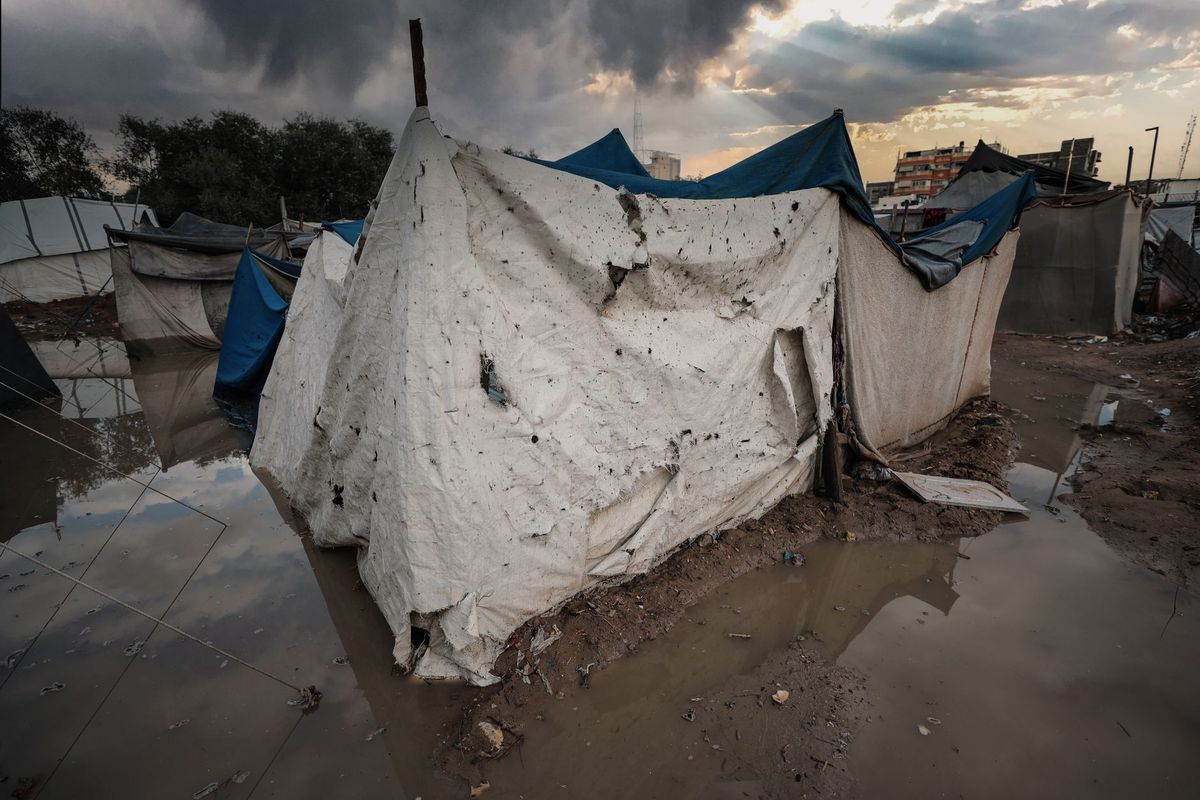
The World Health Organization (WHO) has issued a formal warning regarding the potential for a significant surge in infectious diseases across the Gaza Strip as the region prepares for the upcoming rainy season. According to the report from the Qatar News Agency (QNA), health officials are concerned that the combination of damaged infrastructure, overcrowded living conditions, and seasonal weather changes will create a critical environment for the spread of waterborne and respiratory illnesses.
Public health experts have noted that the destruction of sanitation facilities and the disruption of clean water supplies in Gaza have already placed immense pressure on the local healthcare system. The arrival of rain is expected to exacerbate these challenges by increasing the risk of flooding in displacement sites, which can lead to the contamination of water sources and the proliferation of vectors for disease.
This warning follows ongoing reports from international aid organizations regarding the precarious state of medical supplies and the limited capacity of remaining health facilities to handle a potential outbreak. The WHO continues to monitor the situation closely, emphasizing that the lack of adequate shelter and hygiene infrastructure remains a primary driver of health risks for the civilian population as winter approaches.
While the humanitarian situation in the territory remains complex, the WHO's assessment underscores the urgent need for sustained access to medical resources and infrastructure repairs. International observers note that the intersection of seasonal weather patterns and the current humanitarian crisis presents a formidable challenge for aid agencies attempting to mitigate long-term health impacts on the ground.
Truth Score
85/100
Likely True
Why this score
The World Health Organization frequently issues warnings regarding public health risks in Gaza, and the approaching rainy season is a documented environmental factor that complicates sanitation and disease control in the region. The report is consistent with the known humanitarian situation in Gaza and the established operational focus of the WHO in conflict zones.
Cross-checked against
No corroborating trusted sources found.
Original report: QNA