International · By NoorNews Editorial ·
Why do people respond differently to mosquito bites? A scientist explains
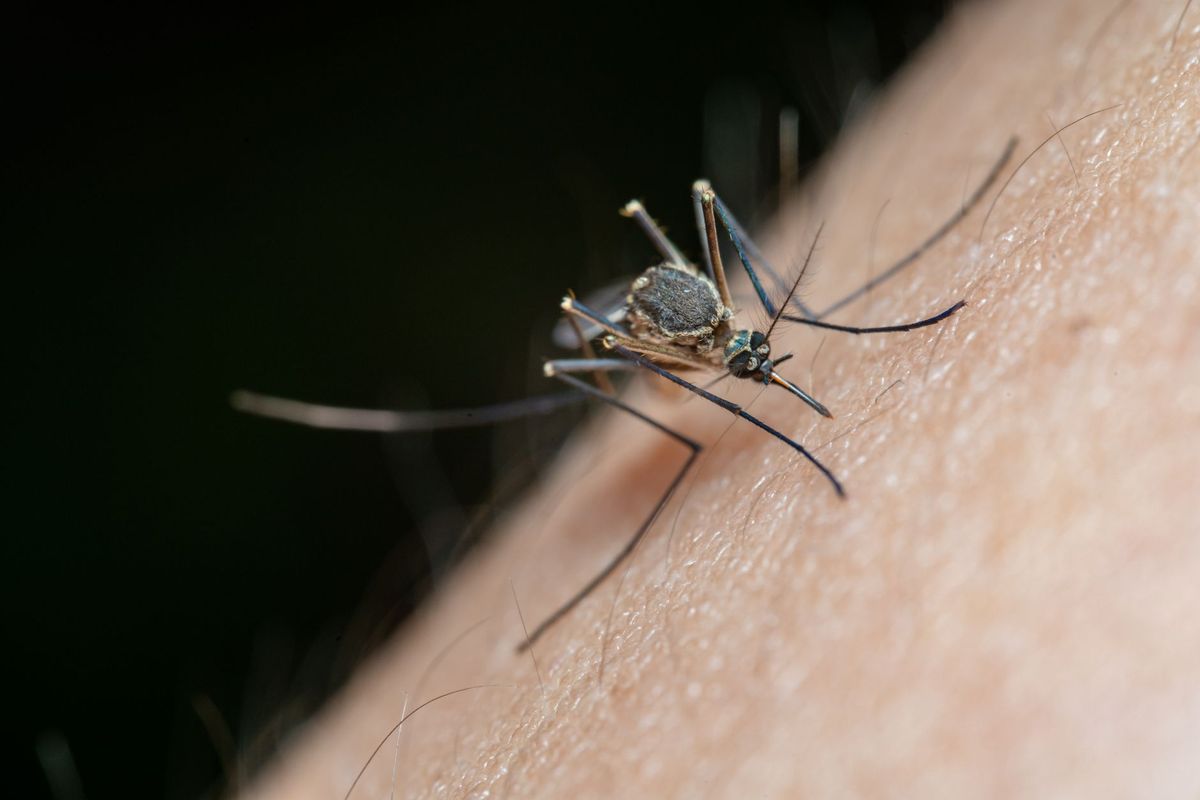
According to a report by Scroll.in, the varying reactions individuals experience after being bitten by a mosquito are primarily driven by the complex interaction between the insect's saliva and the human immune system. When a mosquito bites, it injects saliva containing a mixture of proteins that act as anticoagulants and anesthetics to facilitate feeding. The human body often identifies these foreign proteins as allergens, triggering an immune response.
This response typically involves the release of histamine, a chemical that causes the characteristic itching, redness, and swelling associated with a mosquito bite. The intensity of this reaction varies significantly from person to person based on their individual immune history and sensitivity. Some individuals may experience only a minor bump, while others may have more pronounced inflammatory responses due to prior exposure or genetic predispositions.
Experts note that repeated exposure to mosquito saliva can lead to a process of desensitization, where the immune system becomes less reactive over time. Conversely, those who are rarely exposed may experience more severe reactions when they are bitten. Understanding these biological mechanisms helps clarify why some people seem to be 'mosquito magnets' or suffer more intensely from bites than others in the same environment.
Truth Score
85/100
Likely True
Why this score
The explanation provided by Scroll.in regarding the immune system's reaction to mosquito saliva is consistent with established entomological and immunological science. As a scientific explainer piece, it does not require corroboration from breaking news wires to be considered credible.
Cross-checked against
No corroborating trusted sources found.
Original report: Scroll.in