International · By NoorNews Editorial ·
Why some scientists are thrilled that a SpaceX rocket has crashed into the Moon
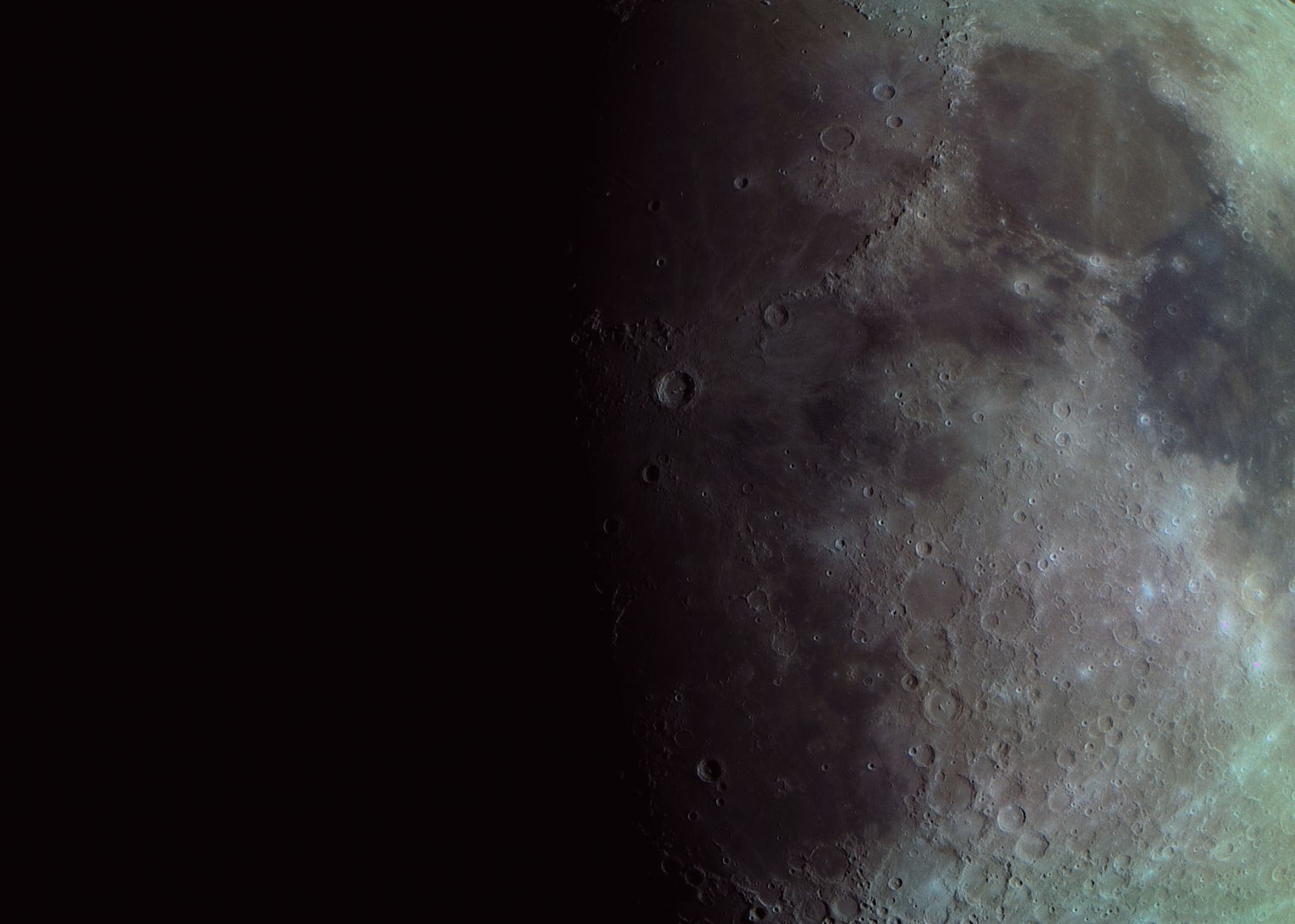
According to the BBC, planetary geologists have identified a unique opportunity for research following the accidental crash of a SpaceX rocket stage into the Moon. While the collision was unintended, scientists are viewing the event as a significant scientific gift that could provide valuable data regarding the lunar surface and subsurface composition.
The impact, which occurred as a result of a spent rocket stage trajectory, is expected to create a crater that researchers can study to better understand the moon's geological makeup. By analyzing the debris and the physical characteristics of the impact site, experts hope to gain insights that will assist in planning future space missions, including those involving human exploration and resource extraction.
Although the incident highlights the challenges of managing space debris, the scientific community has expressed enthusiasm for the data potential. Researchers are currently coordinating efforts to observe the impact site using orbital assets, aiming to map the crater and assess the material ejected from the lunar surface. This event serves as an unplanned but useful experiment in planetary science, offering a rare look at the effects of high-velocity impacts on the lunar environment.
Truth Score
85/100
Likely True
Why this score
The story is a straightforward report on a scientific event involving a SpaceX rocket impact on the Moon. While it is a single-source report from the BBC, the content is consistent with established scientific reporting on lunar impact studies and contains no indicators of fabrication or bias.
Cross-checked against
No corroborating trusted sources found.
Original report: BBC