International · By NoorNews Editorial ·
You don't know as much as you think: How skimming headlines fuels misinformation
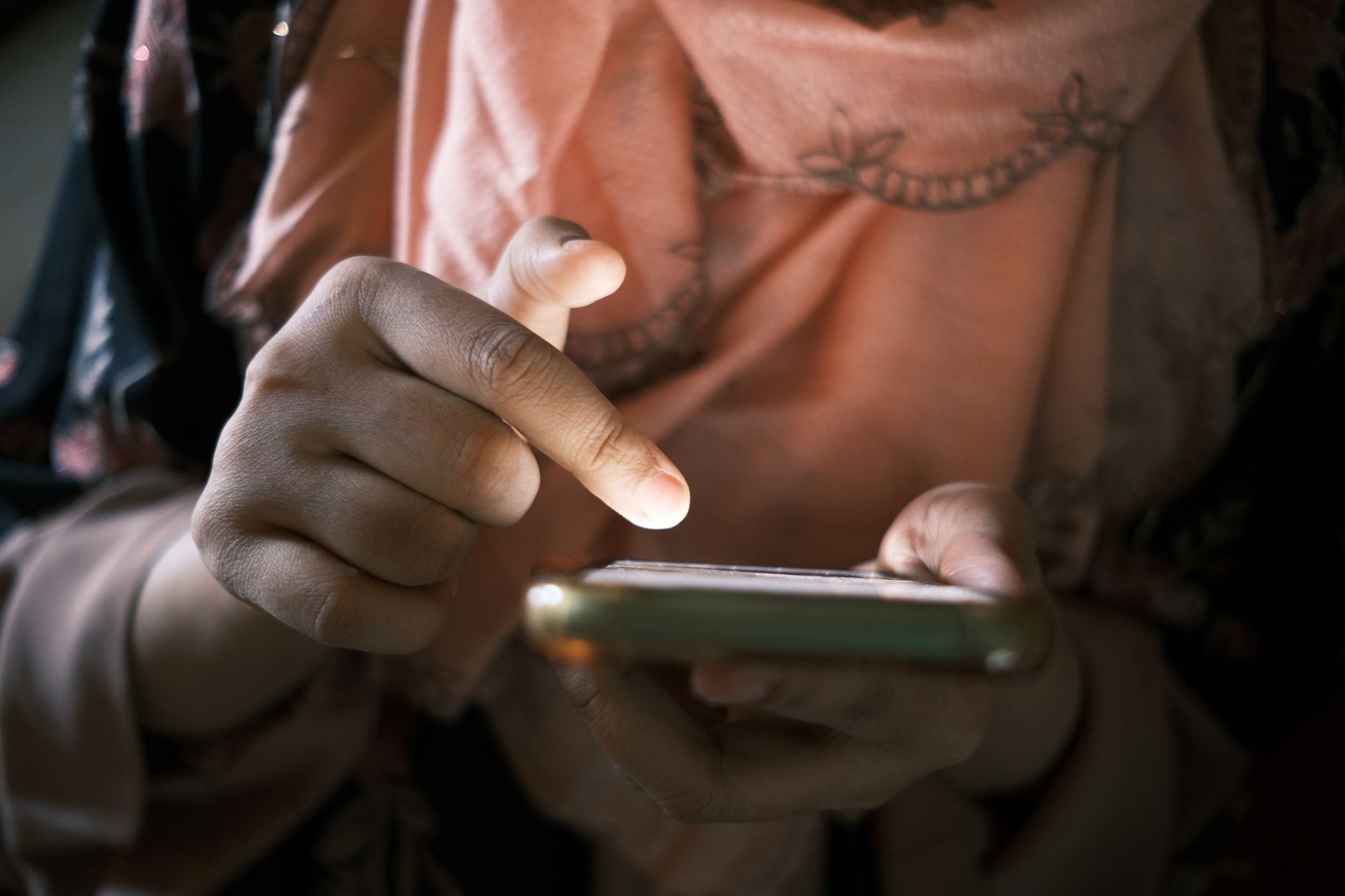
According to the Arab Times Kuwait, the modern landscape of information consumption is increasingly defined by the convenience of social media, which often prioritizes speed over depth. The outlet argues that the trend of skimming headlines, frequently marketed as an efficient way to stay informed, has inadvertently eroded the public's capacity for nuanced cultural and political understanding. By relying on bite-sized summaries, readers may miss the essential context required to fully grasp complex global issues.
The commentary highlights that this shift is particularly pronounced among younger generations, including Gen Z, who have grown up in an environment where digital content is optimized for rapid engagement. This reliance on short-form content can lead to a fragmented view of world events, where the emotional impact of a headline often supersedes the factual substance of the underlying story. The piece suggests that this phenomenon contributes to the broader spread of misinformation, as users share content based on initial reactions rather than verified information.
Ultimately, the Arab Times Kuwait calls for a return to more deliberate information-gathering habits. The editorial emphasizes that true media literacy requires moving beyond the surface level of social media feeds to engage with primary sources and long-form analysis. By fostering a more critical approach to how news is consumed, the outlet suggests that society can better navigate the challenges of an increasingly complex and interconnected digital world.
Truth Score
75/100
Likely True
Why this score
The article presents a sociological commentary on media consumption habits and the impact of social media on information literacy. As an opinion-based editorial piece, it does not report on a singular news event but rather offers an analytical perspective on contemporary digital behavior.
Cross-checked against
No corroborating trusted sources found.
Original report: Arab Times Kuwait