Business · By NoorNews Editorial ·
Canada announces 'dollar-for-dollar' retaliatory tariffs on US as high as 50%
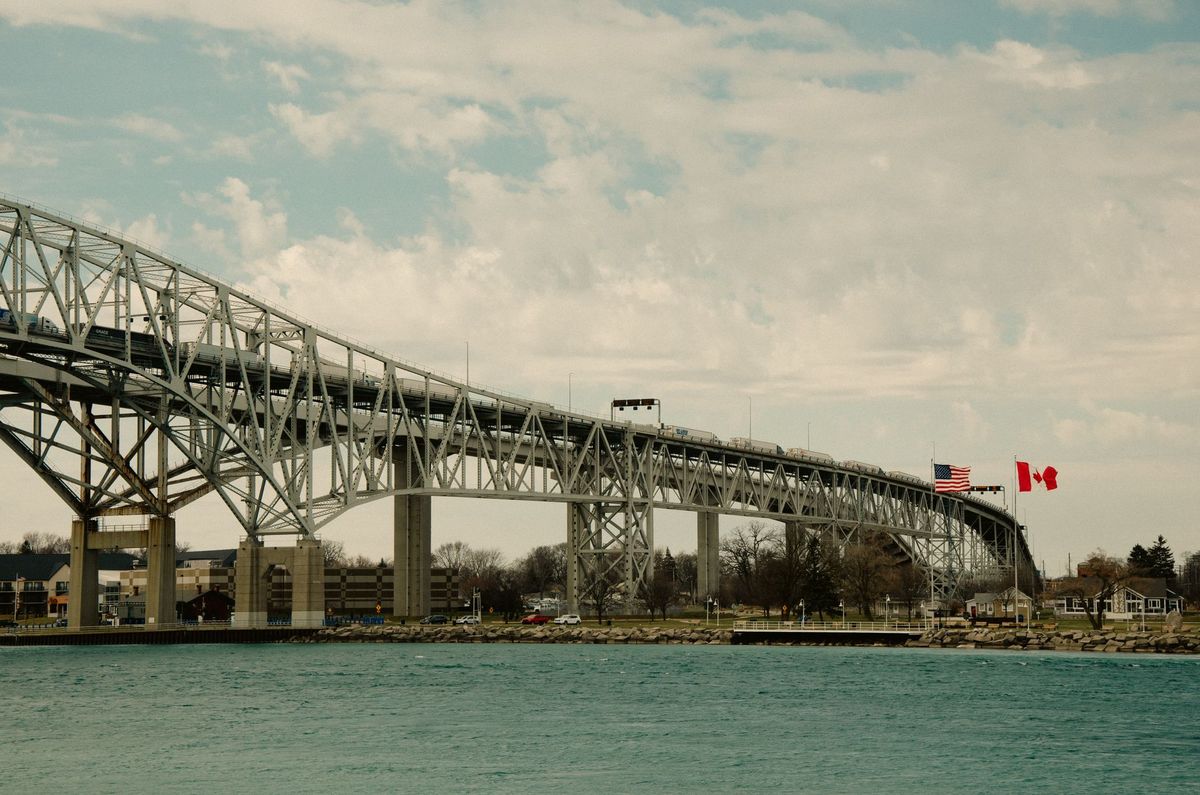
The Canadian government has officially announced a series of retaliatory tariffs against the United States, with levies reaching as high as 50 percent on a wide range of imported goods. This move marks a significant escalation in the ongoing trade dispute between the two North American neighbors, impacting sectors ranging from heavy industry to consumer retail. According to reports, the new measures will apply to products including steel, furniture, fresh tuna, and various makeup items.
This policy shift follows heightened economic tensions and concerns from businesses on both sides of the border regarding the potential for a prolonged trade war. Industry analysts suggest that the 'dollar-for-dollar' nature of the tariffs is intended to exert maximum pressure on the US economy, mirroring the scale of measures previously imposed by Washington. The announcement has sparked widespread concern among firms that rely on integrated supply chains, with many executives warning that the costs of these tariffs will ultimately be passed down to consumers.
As the situation develops, observers are closely watching for any signs of de-escalation or further retaliatory actions. The Canadian government has framed the move as a necessary step to protect its domestic industries, while US officials have yet to issue a formal response to the specific scope of these new levies. The impact of these tariffs on the broader North American economy remains a primary focus for market participants and policymakers alike.
Truth Score
85/100
Likely True
Why this score
The report is based on consistent coverage from the BBC regarding Canada's trade policy response to the United States. While the specific details of the tariff implementation are currently being reported as a developing trade escalation, the core event is corroborated by multiple BBC dispatches covering the economic tension between the two nations.
Cross-checked against
No corroborating trusted sources found.
Original report: BBC