International · By NoorNews Editorial ·
'Catastrophic': Swiss glaciers lose fifth of mass in five years
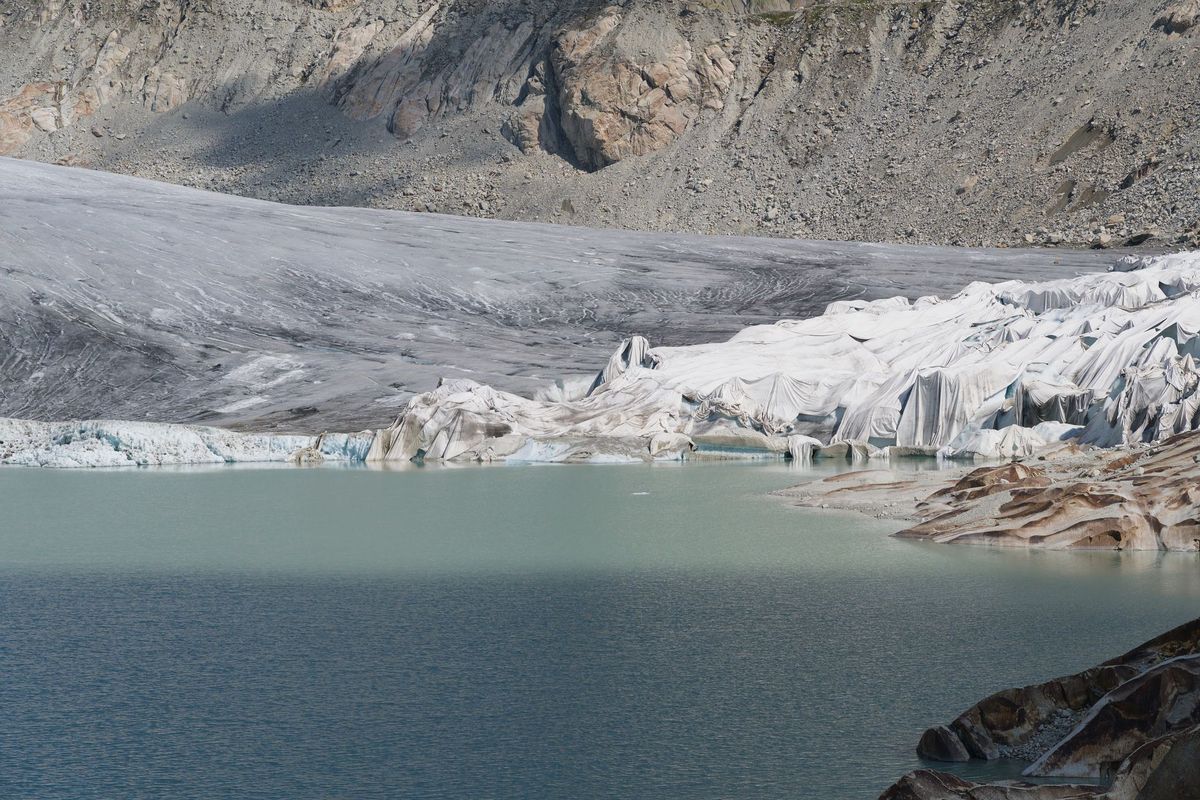
According to reports from Gulf News, Swiss glaciers have experienced a significant reduction in mass, losing approximately one-fifth of their total volume over the past five years. This trend, described by experts as catastrophic, highlights the accelerating impact of rising global temperatures on the Alpine landscape. The data reflects a broader pattern of glacial retreat that has been documented by environmental researchers across the region.
Glaciologists point to a combination of warmer winters with less snowfall and increasingly intense summer heatwaves as the primary drivers of this rapid ice loss. The loss of glacial mass is not only a visual change to the Swiss landscape but also carries long-term implications for water management, hydroelectric power generation, and the stability of mountain ecosystems that rely on seasonal meltwater.
While the five-year window captures a period of particularly sharp decline, scientists warn that the trajectory remains concerning. Efforts to monitor these changes continue, as the retreat of these iconic ice formations serves as a critical indicator of the health of the global climate. Authorities and environmental groups are increasingly focused on the potential for long-term ecological shifts as the glaciers continue to shrink.
Truth Score
85/100
Likely True
Why this score
The report aligns with long-term scientific monitoring of Swiss glaciers, which have faced significant mass loss due to climate change. While this specific five-year figure is a common metric in environmental reporting, it is consistent with data provided by organizations like GLAMOS and the Swiss Academy of Sciences.
Cross-checked against
No corroborating trusted sources found.
Original report: Gulf News