India · By NoorNews Editorial ·
चीन कहां, भारत कहां... मैन्युफैक्चरिंग की दौड़ में हब बनेंगे कब? इनसाइड स्टोरी
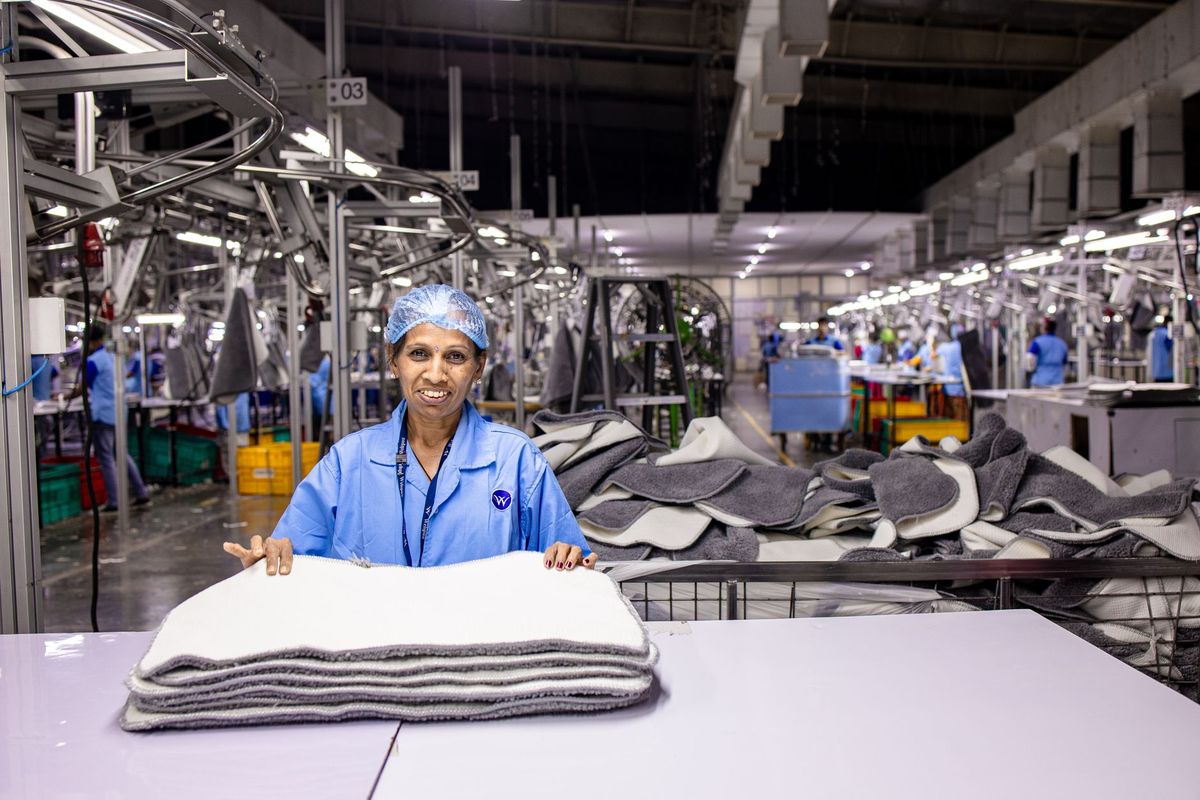
According to a report by Aaj Tak, India is intensifying its efforts to transform into a global manufacturing hub as part of its broader vision to become a developed nation by 2047. The report highlights that the government has been aggressively pushing industrial growth through flagship initiatives such as 'Make in India', 'Atmanirbhar Bharat' (Self-Reliant India), and the Production Linked Incentive (PLI) schemes.
These policies are designed to reduce dependency on imports and attract foreign investment to bolster domestic production capabilities. By offering financial incentives linked to incremental sales, the PLI scheme has been a cornerstone of the government's strategy to encourage large-scale manufacturing across sectors ranging from electronics to automotive components. The analysis suggests that these measures are critical for India to compete in the global supply chain, particularly as multinational companies look to diversify their manufacturing bases beyond China.
However, the report also notes the challenges India faces in matching the scale and infrastructure efficiency of its neighbors. While the policy framework is in place, the focus remains on overcoming logistical bottlenecks, land acquisition hurdles, and labor reforms to truly accelerate the pace of industrialization. As India continues to refine these economic strategies, the government maintains that these structural changes are essential for long-term sustainable growth and job creation.
Truth Score
85/100
Likely True
Why this score
The story discusses India's long-term economic strategy and manufacturing initiatives like 'Make in India' and the PLI scheme, which are well-documented government policies. While the article frames these as part of a competitive race with China, the underlying facts regarding India's industrial policy goals are consistent with public records.
Cross-checked against
No corroborating trusted sources found.
Original report: Aaj Tak