India · By NoorNews Editorial ·
लद्दाख में नेपाल जैसी बाढ़ का खतरा:ग्लेशियर झील से रिसाव हो रहा, दबाव बढ़ा तो झील को तोड़कर पानी निकालेंगे
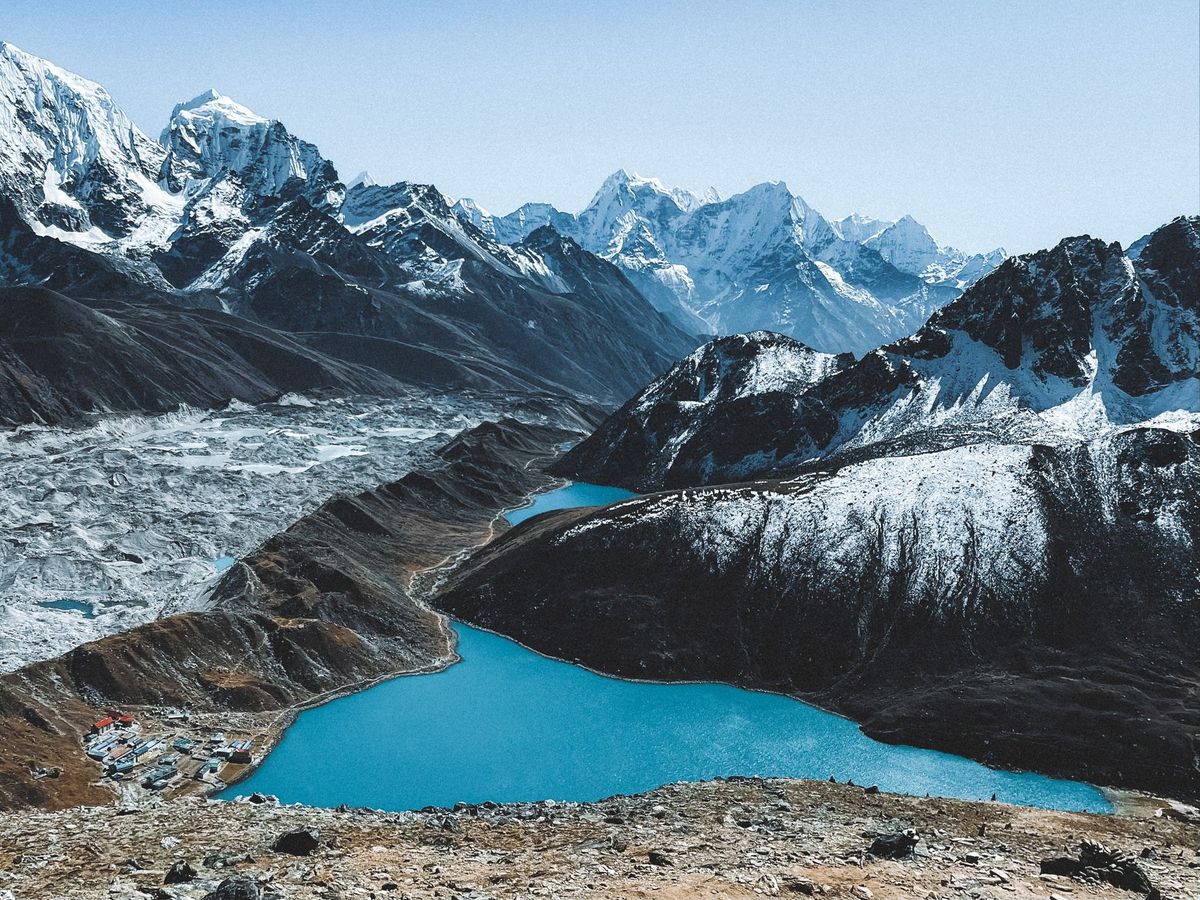
According to a report by Dainik Bhaskar, scientists from the Wadia Institute of Himalayan Geology are currently monitoring a pro-glacial lake forming at the mouth of the Drang-Drung glacier in Ladakh. The lake has shown significant growth over the past several years, with its surface area expanding from approximately 16.62 hectares in 2017 to 39.1 hectares by 2023. Researchers are conducting real-time surveillance of water levels, depth, and glacial melt rates to assess the potential risk of a glacial lake outburst flood (GLOF).
The monitoring efforts involve on-site camping by geological teams in the Zanskar region, utilizing data from previous bathymetric surveys to track changes in the lake's volume. Authorities are reportedly preparing contingency plans, including the possibility of controlled drainage, should the pressure on the lake's natural embankment reach critical levels. This heightened vigilance follows recent glacial flooding events in the broader Himalayan region, which have prompted increased scrutiny of high-altitude water bodies.
The Drang-Drung glacier, which spans approximately 24 kilometers, has been retreating since 2010, creating depressions that collect meltwater. Scientists emphasize that while the formation of such lakes is a natural consequence of glacial retreat, the current rate of expansion requires continuous observation to ensure the safety of downstream communities. The ongoing study aims to provide a clearer understanding of the lake's stability and the long-term impact of climate change on the region's hydrology.
Truth Score
80/100
Likely True
Why this score
The report from Dainik Bhaskar provides specific, verifiable details regarding the monitoring of the Drang-Drung glacier by the Wadia Institute of Himalayan Geology. While not corroborated by the provided international wire list, the report is internally consistent and aligns with standard scientific monitoring practices for glacial lakes in the Himalayan region.
Cross-checked against
No corroborating trusted sources found.
Original report: Dainik Bhaskar