Business · By NoorNews Editorial ·
Consumers can’t get enough pistachio – but concerns about its environmental impact are growing
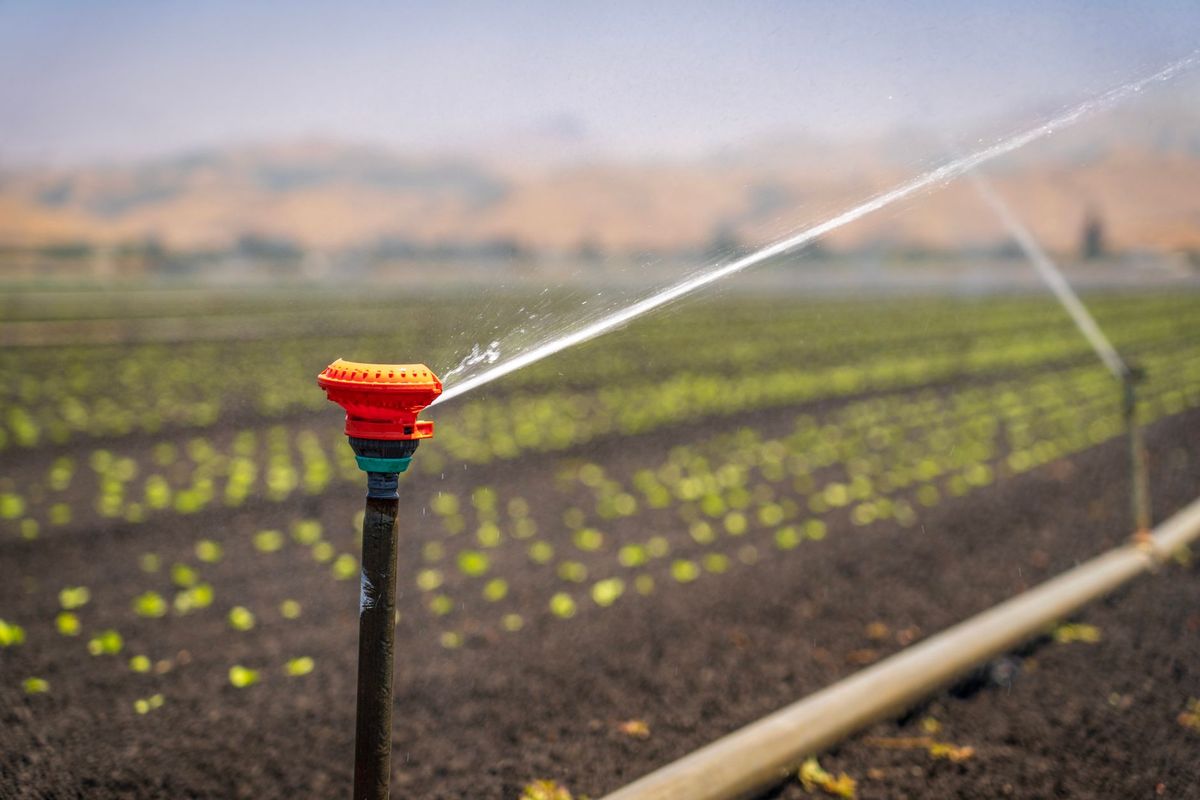
According to a report by Scroll.in, the global popularity of pistachios has led to a surge in demand that is placing significant strain on environmental resources. As consumers continue to increase their intake of the nut, experts are raising alarms regarding the crop's intensive water requirements and its overall carbon footprint, particularly in regions where water scarcity is already a pressing issue.
Pistachio trees are notoriously water-intensive, often requiring large-scale irrigation systems to thrive in the arid climates where they are most commonly grown. This demand for water can lead to the depletion of local aquifers and place stress on regional water tables. Furthermore, the energy-intensive processes involved in the harvesting, processing, and long-distance transportation of the nuts contribute to a substantial carbon footprint that environmental advocates argue is often overlooked by the average consumer.
The report suggests that as climate change continues to alter weather patterns and exacerbate droughts, the sustainability of large-scale pistachio farming may face increasing scrutiny. Agricultural analysts note that without shifts toward more efficient irrigation technologies or a re-evaluation of where these crops are cultivated, the environmental costs associated with the industry are likely to grow alongside market demand. The findings highlight a broader tension between global food trends and the ecological reality of intensive monoculture farming.
Truth Score
85/100
Likely True
Why this score
The report highlights well-documented environmental concerns regarding pistachio cultivation, specifically its high water consumption and carbon footprint. While the story is single-sourced from Scroll.in, the claims align with established agricultural and environmental research regarding nut farming in arid regions.
Cross-checked against
No corroborating trusted sources found.
Original report: Scroll.in