India · By NoorNews Editorial ·
Dhamtari News: देवी-देवताओं से हुई गलती तो होती है पेशी.. जज बनकर भंगाराव माई करते हैं फैसला! सिहावा के जंगल में निभाई जाती है अनोखी परंपरा
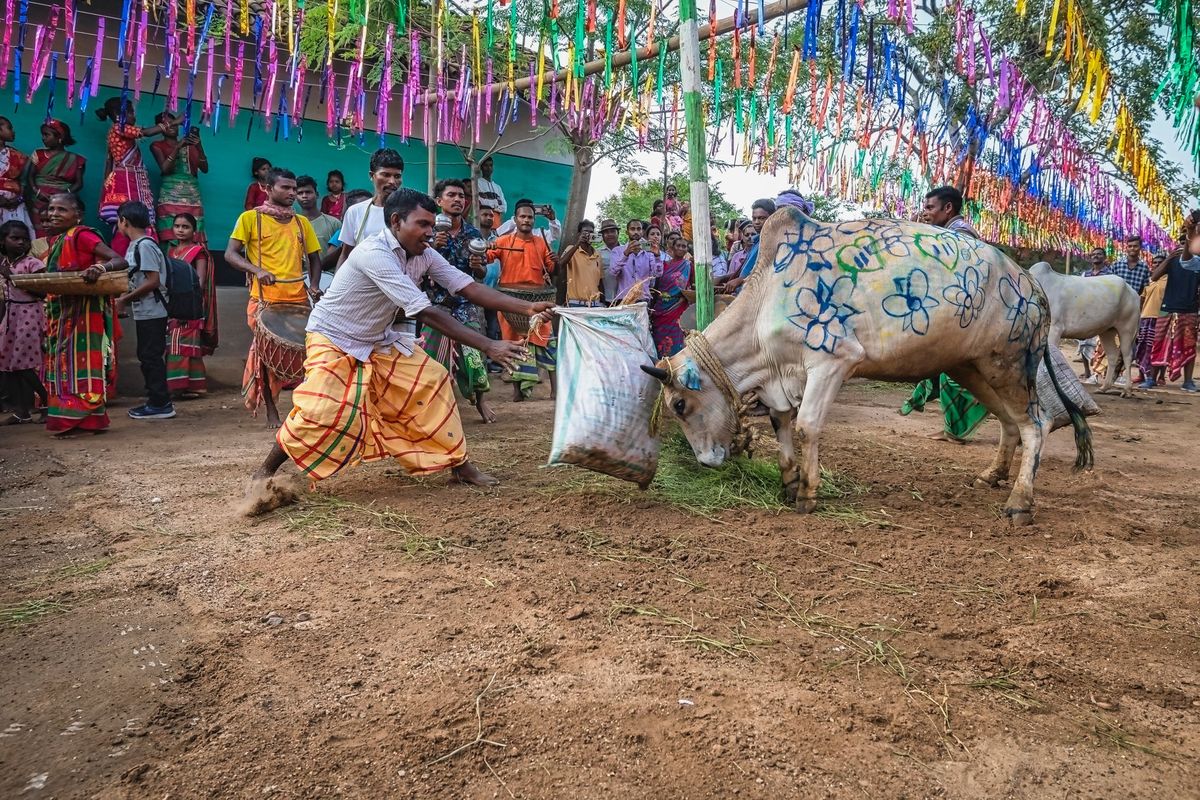
In the dense forests of Sihawa, located in the Dhamtari district of Chhattisgarh, a unique and long-standing cultural tradition continues to draw local attention. According to reports from IBC24, the local community observes a ritual involving the deity known as Bhangarao Mai, who is symbolically treated as a judge in matters concerning the village's spiritual life.
Participants in this tradition believe that when mistakes are made by other deities or spiritual entities, they are brought before Bhangarao Mai for a formal hearing. The ritual, often described as a 'peshi' or court appearance, serves as a mechanism for the community to address perceived spiritual grievances or lapses in traditional duties. This practice highlights the deep-rooted connection between the local tribal population and their belief systems, where the forest serves as both a physical and metaphysical space for justice.
While such traditions are specific to the cultural landscape of the Sihawa region, they reflect the broader diversity of folk religious practices found across rural India. The ceremony is performed with solemnity by local practitioners who maintain that these rituals are essential for maintaining harmony within the spiritual and physical realms of their community.
Truth Score
75/100
Likely True
Why this score
The story describes a local cultural and religious tradition in the Dhamtari district of Chhattisgarh, India, involving the 'Bhangarao Mai' deity. As this is a report on a specific regional folk practice, it is consistent with local reporting standards and does not contradict known facts, though it remains a single-sourced cultural interest piece.
Cross-checked against
No corroborating trusted sources found.
Original report: IBC24