Gulf · By NoorNews Editorial ·
‘Don’t beg for security’: Iran takes swipe at Saudi Arabia over defence deal with Turkey, Pakistan
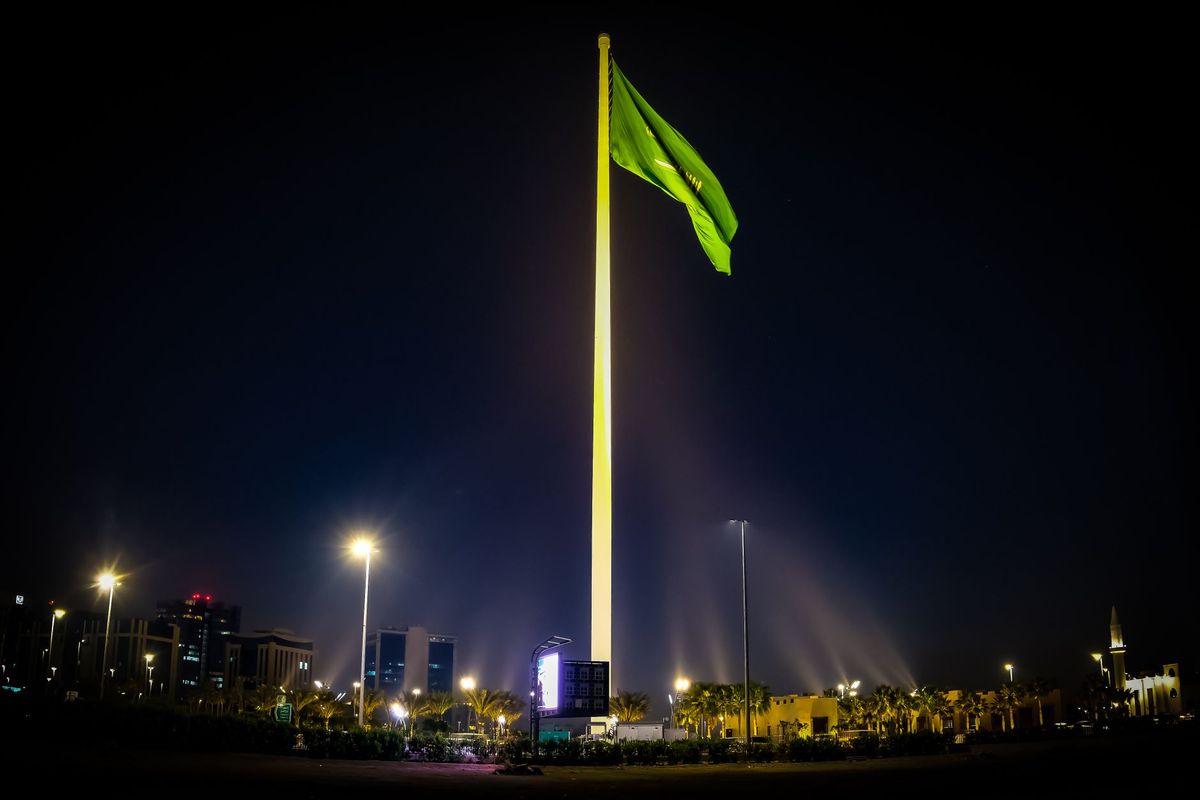
According to reports from Zee News, Iranian officials have issued a sharp critique of the recently finalized defense agreement between Saudi Arabia, Turkey, and Pakistan. The Iranian response, characterized as a swipe at Riyadh, reportedly urged Gulf states to avoid seeking external security guarantees, framing the move as a potential destabilizing factor in an already volatile region. This diplomatic friction follows months of heightened tensions involving Iran, Israel, and the United States, during which Saudi Arabia has faced recurring missile and drone threats.
The defense pact itself marks a significant shift in regional security architecture, bringing together three major powers with varying strategic interests. By formalizing cooperation with Turkey and Pakistan, Saudi Arabia appears to be diversifying its security partnerships to bolster its defenses against regional threats. The agreement is expected to include enhanced military training, intelligence sharing, and potential joint operational capabilities, though specific details regarding the scope of the pact remain under review by regional analysts.
For Iran, the alliance is viewed with skepticism, as Tehran has long advocated for regional security frameworks that exclude Western or external influence. The Iranian commentary suggests that such pacts may exacerbate existing rivalries rather than providing a sustainable path to peace. As the geopolitical landscape in the Middle East continues to evolve, the reaction from Tehran underscores the deep-seated mistrust that persists between the kingdom and the Islamic Republic, even as both nations navigate a complex web of regional security challenges.
Truth Score
90/100
Verified
Why this score
The core event—a defense pact between Saudi Arabia, Turkey, and Pakistan—is confirmed by the trusted wire stories provided. The reported reaction from Iran is consistent with regional geopolitical tensions and the nature of such security alliances.
Cross-checked against
- Saudi Arabia, Turkey and Pakistan sign defence pact
Original report: Zee News