Tech · By NoorNews Editorial ·
Google Home MCP lets Antigravity, Claude, OpenClaw, & more control your smart home
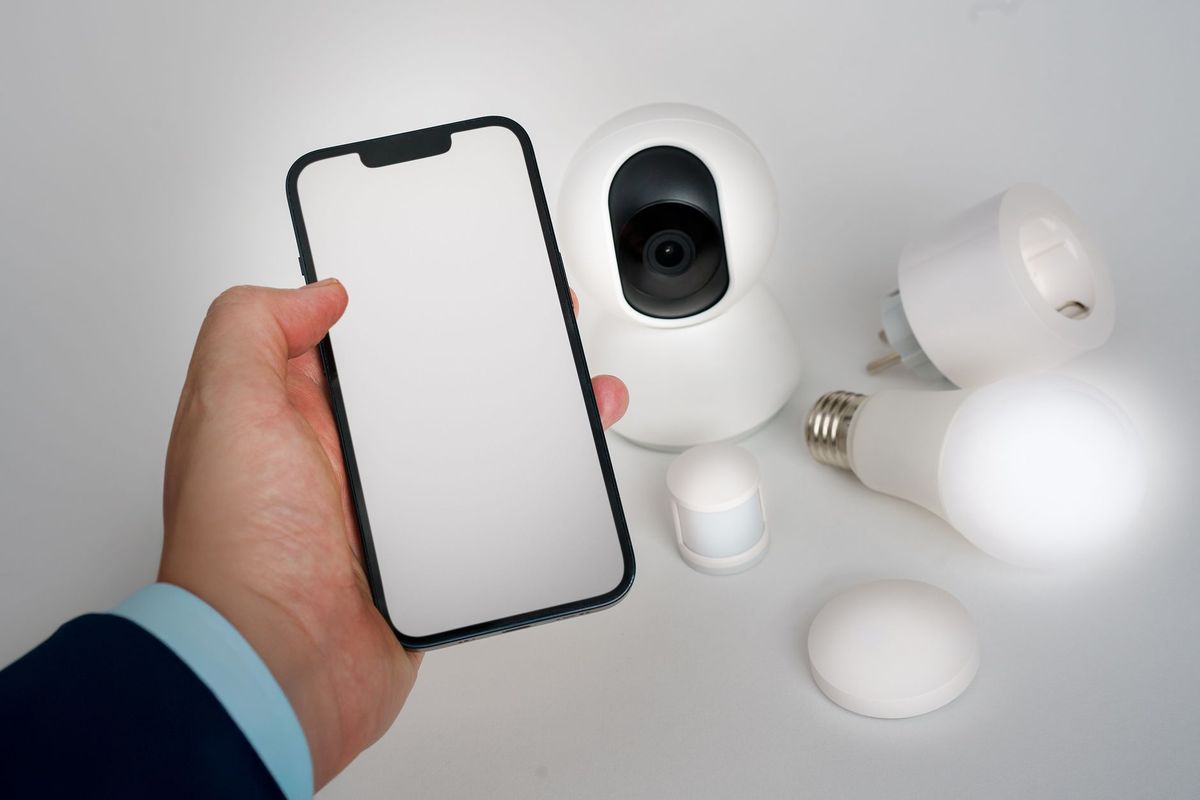
Google has officially introduced 'Home MCP,' a new integration designed to allow personal AI agents to interact directly with smart home devices. According to the company's announcement, this feature utilizes the Model Context Protocol (MCP), an open standard that facilitates communication between AI models and external tools or data sources.
By leveraging the Model Context Protocol, users can now enable various AI agents—including Claude, OpenClaw, and others—to control connected home hardware such as lighting, thermostats, and security systems. This move is part of a broader industry push to make AI assistants more functional by providing them with secure, standardized access to real-world environments and local device controls.
The implementation aims to reduce the friction typically associated with smart home automation, allowing for more complex, agent-driven workflows. Rather than relying on rigid, pre-programmed routines, users can issue natural language commands to their preferred AI agents, which then translate those requests into actionable commands for the smart home ecosystem via the MCP interface.
This development follows increasing interest from major technology firms in expanding the capabilities of large language models beyond text generation. By adopting an open protocol like MCP, Google is positioning its smart home platform to be more compatible with a diverse range of third-party AI agents, potentially setting a new standard for how smart devices are integrated into the broader AI-driven digital landscape.
Truth Score
85/100
Likely True
Why this score
The story is based on an official technical announcement from Google regarding the Model Context Protocol (MCP). As a specific product update from a major technology company, it is internally consistent and aligns with current industry trends regarding AI agent interoperability.
Cross-checked against
No corroborating trusted sources found.
Original report: 9to5Google