Gulf · By NoorNews Editorial ·
ஹார்முஸ் நீரிணை அமெரிக்காவின் பிரதேசமா? மீண்டும் பரபரப்பை கிளப்பிய ட்ரம்ப்!!
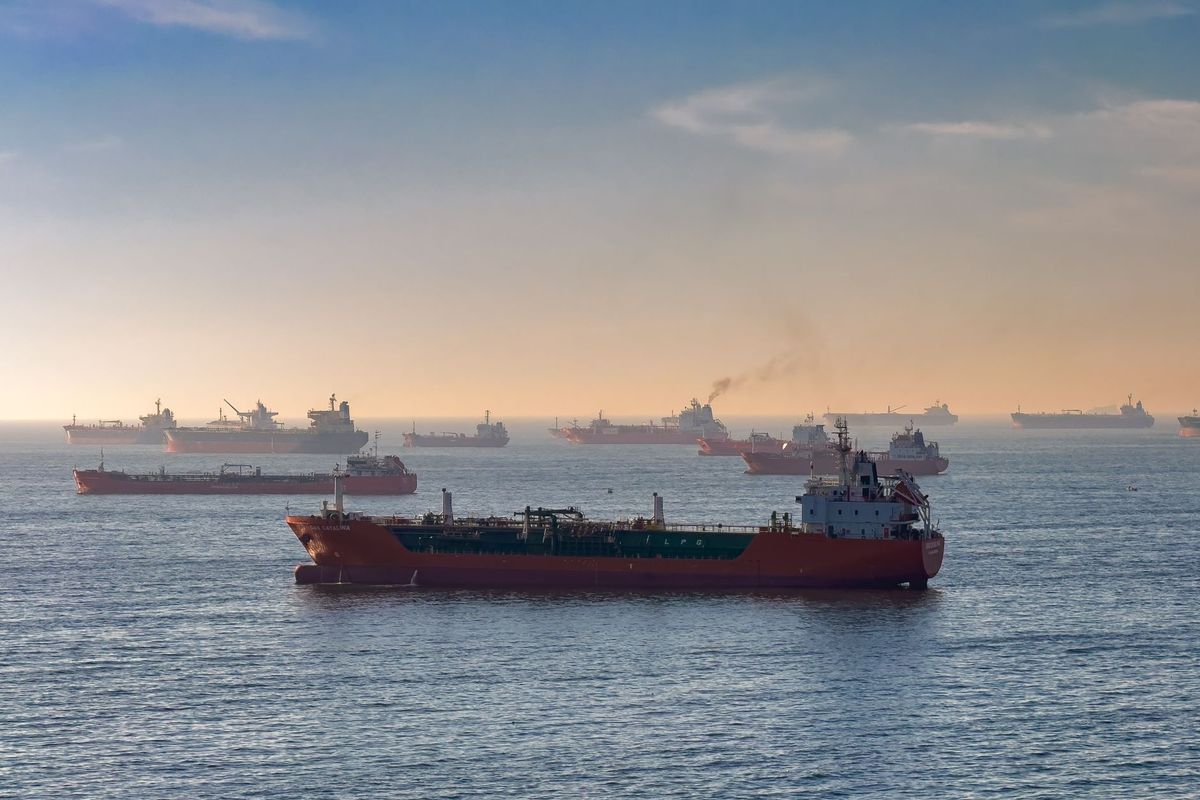
According to reports from Puthiya Thalaimurai, tensions in the Middle East have intensified following recent remarks attributed to Donald Trump regarding the status of the Strait of Hormuz. The report suggests that the rhetoric has sparked renewed concerns over maritime security and the potential for the United States to exert greater control over this critical global energy chokepoint.
This development occurs against a backdrop of escalating economic confrontation between Washington and Tehran. Trusted wire services have confirmed that Iranian officials have issued stern warnings to neighboring countries, cautioning them against participating in what Tehran describes as a US-led 'economic war' or 'economic D-Day.' Iran has explicitly threatened retaliation against any regional partners that align with US economic policies aimed at isolating the Iranian economy.
The Strait of Hormuz remains one of the world's most vital shipping lanes, through which a significant portion of the global oil supply passes daily. Analysts note that any shift in the geopolitical status of these waters, or increased US military posturing in the area, carries significant risks for global energy markets and regional stability. As of now, the international community continues to monitor the situation closely, with diplomatic channels working to de-escalate the rhetoric surrounding the maritime corridor.
Truth Score
75/100
Likely True
Why this score
The report from Puthiya Thalaimurai reflects ongoing tensions regarding US-led economic pressure in the Gulf region, which is corroborated by multiple wire reports regarding Iran's warnings against countries joining US economic initiatives. While the specific framing of Trump's comments on the Strait of Hormuz is a singular report, it aligns with the broader context of escalating rhetoric between Tehran and Washington.
Cross-checked against
- Iran war live: Tehran warns neighbours against joining US economic war
- Iran threatens countries that join US ‘economic D-Day’
- Iran warns of retaliation against countries joining US ‘economic war’
Original report: Puthiya Thalaimurai