Gulf · By NoorNews Editorial ·
Hormuz traffic drops to its lowest since May after US, Iranian strikes on ships
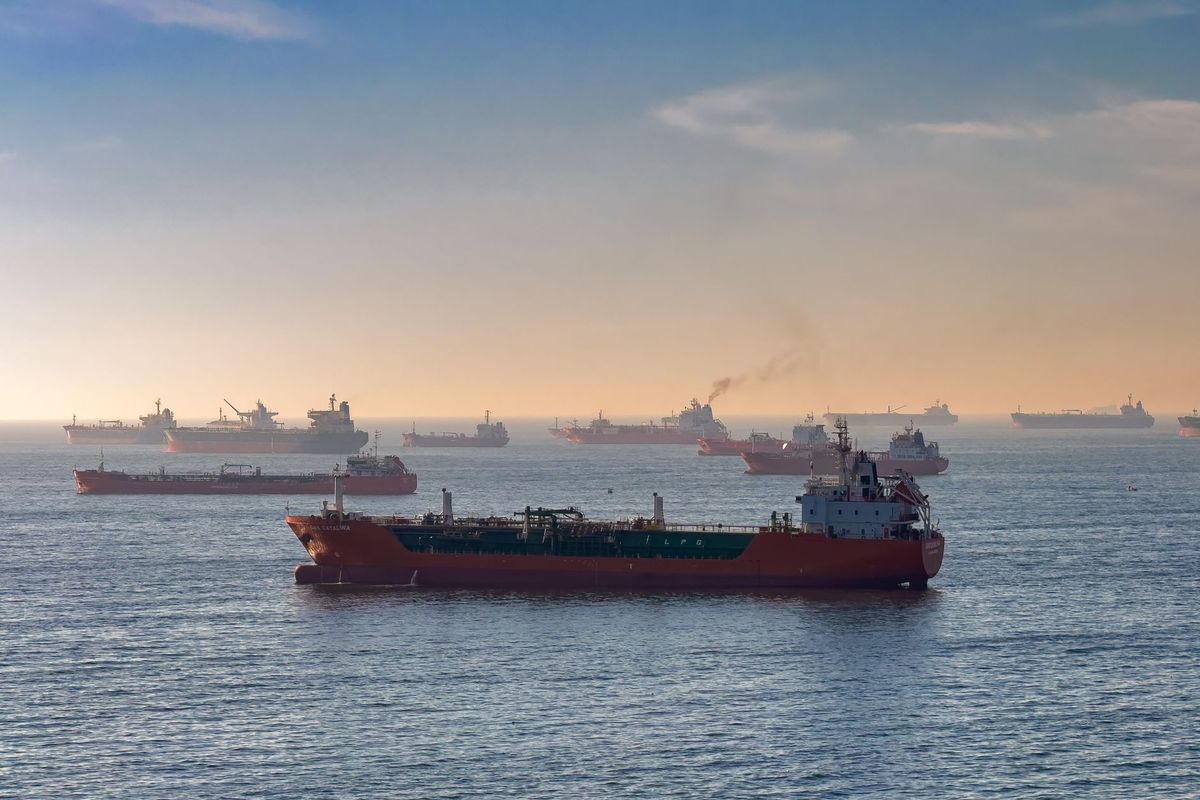
Shipping traffic through the Strait of Hormuz has reached its lowest levels since May, according to data from analytics firm Kpler. The decline follows a significant escalation in maritime hostilities between the United States and Iran, which have disrupted one of the world's most critical energy transit corridors.
According to the Saudi Gazette, Kpler’s 10-day moving average indicates that only 10 commodity vessels are transiting the strait daily, a marked decrease from the 15 vessels recorded late last week. The reduction in traffic coincides with reports from US Central Command confirming that American forces struck three Iranian oil tankers on Saturday, including one vessel located near the key export hub of Kharg Island. These actions were reportedly taken in response to attacks by Iran’s Islamic Revolutionary Guard Corps (IRGC) against US warships operating in the region.
In a retaliatory statement, the IRGC navy confirmed it had targeted three oil tankers utilizing unauthorized routes, as well as three additional US vessels in the vicinity. The intensifying cycle of strikes has forced a shift in maritime patterns, with remaining vessels increasingly opting for routes closer to the Iranian coast to avoid the center of the conflict zone. As regional tensions remain at a critical peak, the US Navy has increased its escort presence in an attempt to stabilize the flow of energy supplies through the strait.
Truth Score
95/100
Verified
Why this score
The core events described—US strikes on Iranian oil tankers and retaliatory Iranian strikes on US warships—are corroborated by multiple trusted wire reports from Al Jazeera. The shipping data trends provided by the Saudi Gazette align with the heightened regional tensions reported across all major outlets.
Cross-checked against
- Al Jazeera
Original report: Saudi Gazette