Gulf · By NoorNews Editorial ·
Indian rupee, Pakistani rupee and Philippine peso stay soft, lifting dirham value for expats. Should you remit now?
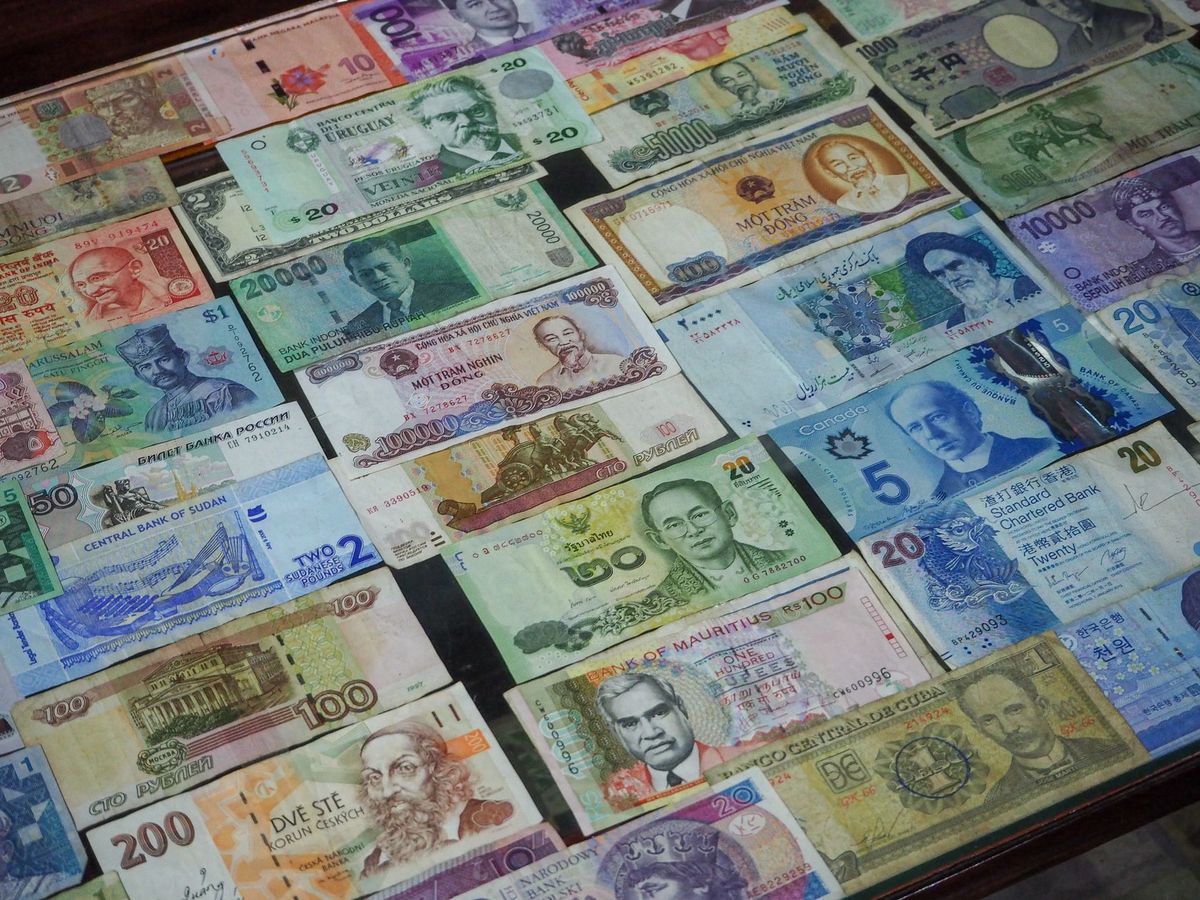
According to a recent market analysis by Gulf News, expatriates living in the UAE may find increased purchasing power when sending money home due to the softening of several key currencies. The Indian rupee, Pakistani rupee, and Philippine peso have recently shown signs of weakness against the UAE dirham, which maintains a fixed peg to the US dollar. This trend is largely driven by broader global economic factors, including shifts in US interest rate expectations and regional trade dynamics.
For many expatriates, these currency fluctuations directly impact the value of their remittances. When the dirham strengthens against home currencies, the amount of local currency received by beneficiaries in India, Pakistan, and the Philippines increases, providing a temporary boost to household budgets in those nations. Financial analysts suggest that such periods of volatility are common in emerging market currencies, which often react sharply to changes in global commodity prices and central bank policies.
Financial experts advise that while the current exchange rates may appear favorable for remitters, timing the market remains difficult due to the unpredictable nature of global currency trading. Those looking to send money are encouraged to monitor daily fluctuations and consider the long-term stability of their home country's economic outlook rather than relying solely on short-term dips. As global economic conditions continue to evolve, further adjustments in these exchange rates are expected in the coming weeks.
Truth Score
85/100
Likely True
Why this score
The story provides a standard financial market analysis regarding currency fluctuations affecting expatriate remittances. While it is a single-source report from Gulf News, it reflects observable market data regarding the Indian rupee, Pakistani rupee, and Philippine peso against the UAE dirham, which is pegged to the US dollar.
Cross-checked against
No corroborating trusted sources found.
Original report: Gulf News