India · By NoorNews Editorial ·
പാഠപുസ്തകങ്ങളിൽ 'കാവിവൽക്കരണ' ഭീതി; NCERT സമിതി പുനഃസംഘടിപ്പിച്ചു, 20 അംഗങ്ങളിൽ 4പേർക്ക് RSS ബന്ധം
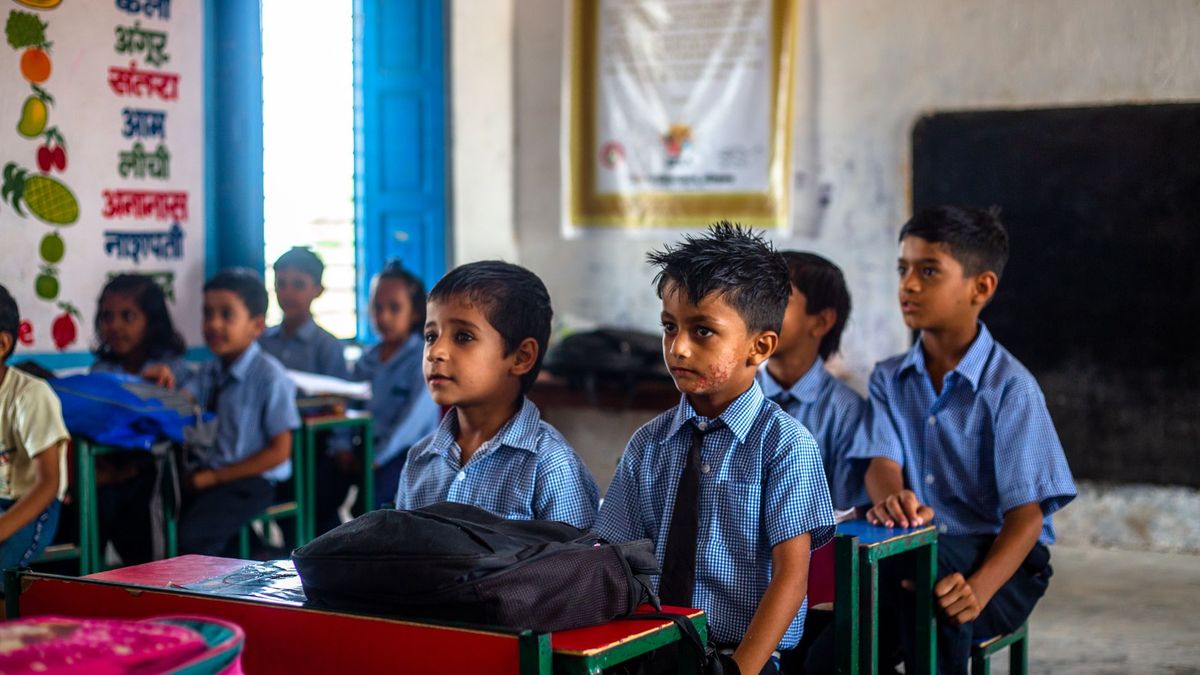
According to a report by Mathrubhumi News, the National Council of Educational Research and Training (NCERT) has recently undergone a reorganization of its textbook development committee. The report highlights concerns regarding the potential 'saffronization' of educational materials, a recurring topic of debate within India's academic and political spheres.
Central to the report is the composition of the newly formed 20-member committee. Mathrubhumi News alleges that four of the appointed members have documented links to the Rashtriya Swayamsevak Sangh (RSS). This development has prompted criticism from various stakeholders who argue that such appointments may influence the neutrality and secular framework of the national curriculum.
The NCERT, which is responsible for designing and publishing textbooks used by millions of students across India, frequently faces scrutiny over the content of its curriculum. Critics of the current administration often point to committee appointments as evidence of a broader effort to align educational content with specific ideological viewpoints. Supporters, however, maintain that the revisions are necessary to better reflect India's cultural and historical heritage.
As of now, the NCERT has not issued a detailed public response specifically addressing the alleged affiliations of the committee members. The controversy underscores the ongoing tension between educational authorities and various interest groups regarding the role of ideology in the classroom. Observers expect further debate as the committee begins its work on upcoming textbook revisions.
Truth Score
75/100
Likely True
Why this score
The report from Mathrubhumi News identifies a specific administrative change regarding the NCERT textbook committee composition. While the claim regarding the ideological affiliation of committee members is a subject of ongoing political discourse in India, the restructuring of the committee itself is a verifiable administrative action.
Cross-checked against
No corroborating trusted sources found.
Original report: Mathrubhumi News