Business · By NoorNews Editorial ·
Panama Canal to cut number of ships passing through due to El Niño
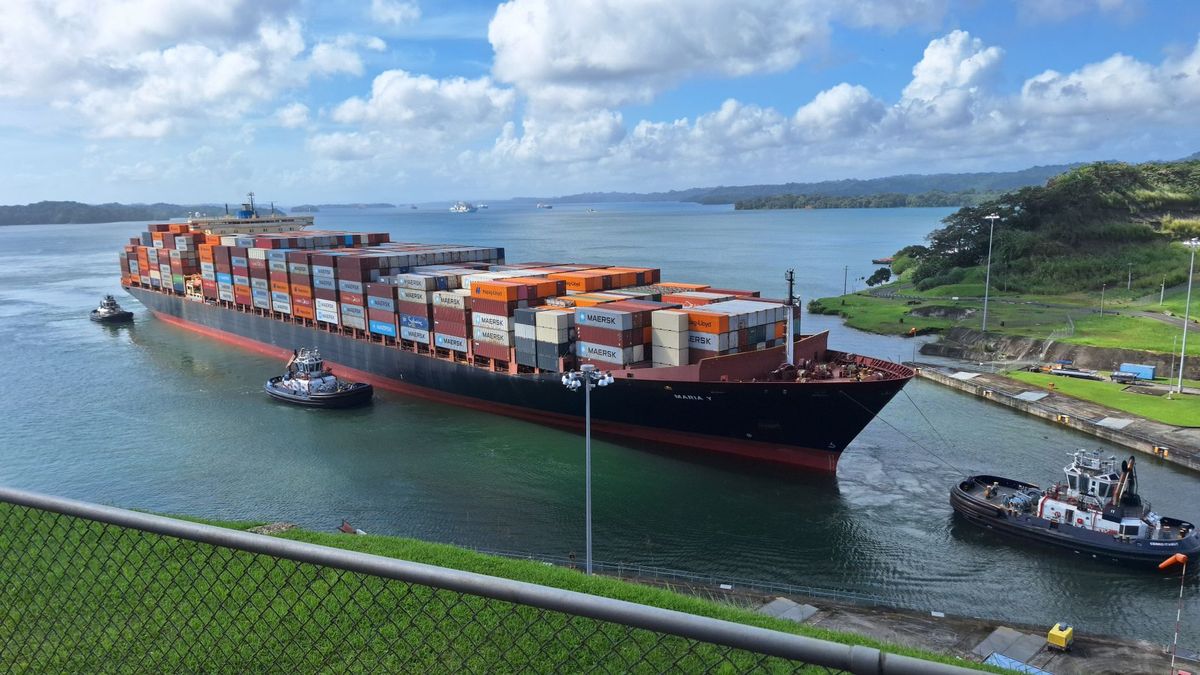
The Panama Canal Authority has announced a reduction in the number of ships permitted to transit the vital waterway, citing persistent low rainfall levels attributed to the El Niño weather pattern. This decision marks a significant operational shift for one of the world's most important maritime trade routes, which relies on a complex system of locks and freshwater reservoirs to move vessels between the Atlantic and Pacific oceans.
According to reports from the BBC and Al Jazeera, the ongoing climate phenomenon has severely impacted water levels in the canal's watershed. As the region experiences drier-than-average conditions, the authority has been forced to implement strict water-saving measures to ensure the continued, albeit restricted, operation of the canal. These limitations are designed to manage the available water supply while minimizing disruptions to global supply chains that depend on the passage.
The Panama Canal is a critical artery for international commerce, and any reduction in its capacity can lead to increased wait times and higher costs for shipping companies. Experts note that this situation highlights the growing vulnerability of global infrastructure to extreme weather events and shifting climate patterns. The canal operator continues to monitor rainfall data closely to determine how long these restrictions will remain in place and whether further adjustments will be necessary as the El Niño cycle progresses.
Truth Score
100/100
Verified
Why this score
The report is corroborated by multiple trusted international news outlets, including both the BBC and Al Jazeera. Both sources confirm the operator's decision to limit ship transit due to low rainfall linked to El Niño.
Cross-checked against
- BBC
- Al Jazeera
Original report: BBC