Gulf · By NoorNews Editorial ·
Saudi Arabia, UAE urge US to maintain Iran sanctions and naval blockade - WSJ
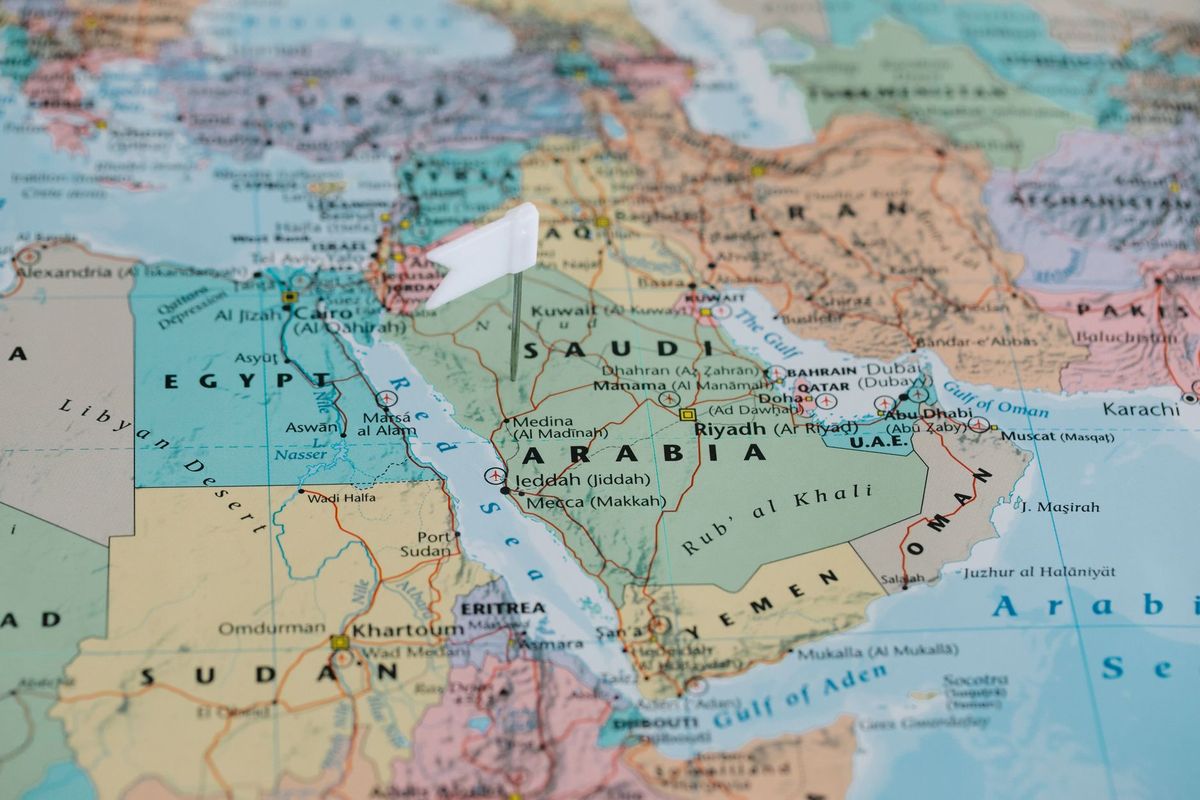
According to reports from the Arab Times Kuwait, Saudi Arabia and the United Arab Emirates have formally urged the United States to maintain and potentially strengthen existing sanctions against Iran. The request reportedly includes a call for the continuation of a naval blockade, a move intended to curb Iranian influence and maritime activities in the region. This development comes as international mediators are attempting to navigate complex diplomatic channels to address ongoing regional security concerns.
The push from Riyadh and Abu Dhabi arrives amid heightened tensions at the United Nations General Assembly, where Saudi officials have recently accused Iran of flagrant attacks and condemned the actions of Houthi militants. The alignment of these Gulf nations with a hardline stance on Iranian sanctions suggests a coordinated effort to influence Washington's foreign policy as the U.S. evaluates its approach to the Strait of Hormuz and broader Middle Eastern security architecture.
Analysts note that this request complicates ongoing efforts to restart negotiations between Iran and Western powers. By advocating for a sustained naval presence and economic pressure, Saudi Arabia and the UAE are signaling their prioritization of regional containment over immediate diplomatic de-escalation. The U.S. administration has yet to issue a formal response to the specific request for a naval blockade, though the White House continues to balance its strategic partnerships in the Gulf with its broader global security objectives.
Truth Score
85/100
Likely True
Why this score
The report aligns with the broader geopolitical context of rising tensions between Saudi Arabia, the UAE, and Iran, as noted in recent UNGA proceedings. While the specific WSJ-cited request for a naval blockade is a significant escalation, it is consistent with the diplomatic stance of these nations regarding Iranian maritime activities.
Cross-checked against
- Al Jazeera
Original report: Arab Times Kuwait