International · By NoorNews Editorial ·
Swiss glaciers suffer 'disastrous' year of ice loss, threatening water supplies
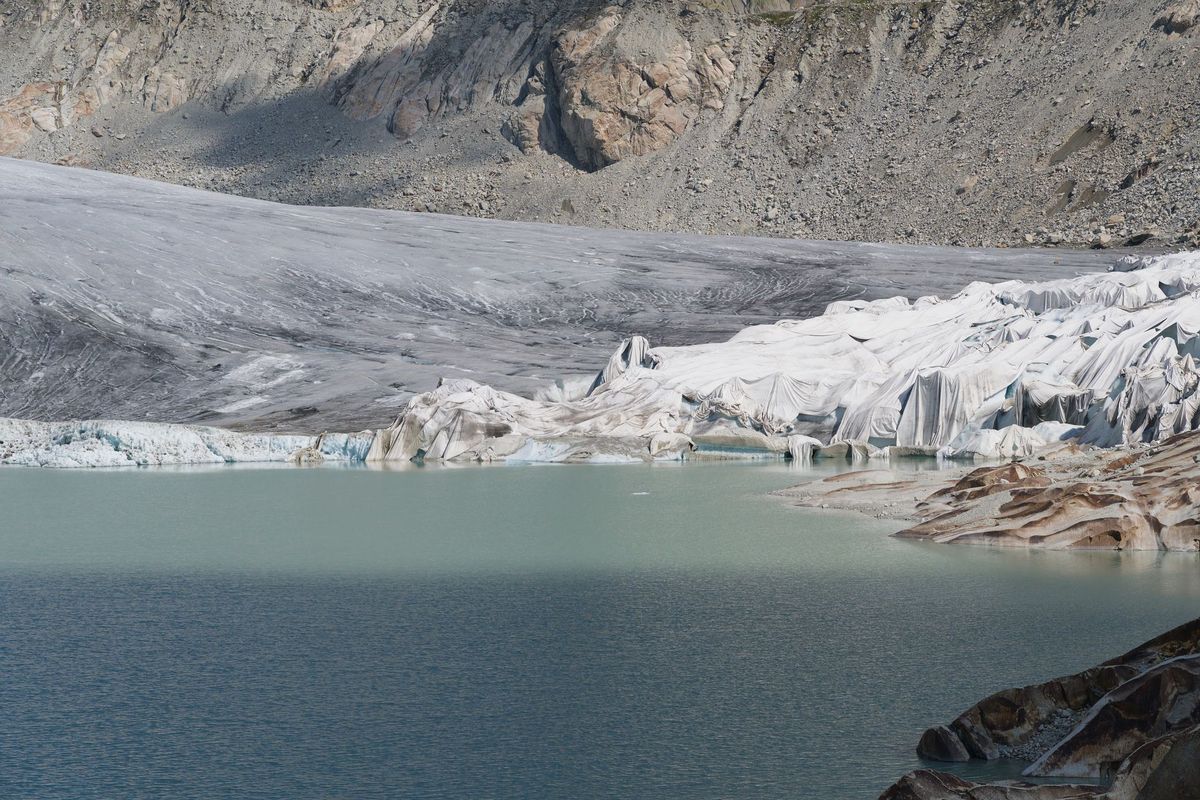
According to the BBC, Swiss glaciers have experienced another year of significant ice loss, a trend that scientists describe as disastrous for the region's long-term water security. The rapid melting is increasingly viewed by the scientific community as a direct consequence of accelerating global climate change, with researchers noting that such extreme annual reductions are becoming the new norm rather than an anomaly.
The loss of glacial mass is particularly concerning for Switzerland, as these ice reserves act as vital water towers for much of Europe. During warmer months, the gradual melting of glaciers provides a steady supply of fresh water to major rivers, supporting agriculture, hydroelectric power generation, and local ecosystems. As the glaciers shrink, the reliability of these water sources is expected to diminish, potentially leading to seasonal shortages and increased pressure on water management infrastructure.
Experts emphasize that while year-to-year fluctuations in weather can influence the rate of melt, the multi-year trajectory remains firmly negative. The ongoing retreat of these iconic alpine landmarks serves as a visible indicator of broader environmental shifts. Scientists continue to monitor the situation closely, warning that without significant global efforts to curb temperature increases, the future of the remaining ice fields remains highly precarious.
Truth Score
85/100
Likely True
Why this score
The report is based on scientific observations regarding glacial retreat in Switzerland, a well-documented trend in climate science. While this specific report is single-sourced from the BBC, it aligns with consistent, long-term data from glaciological monitoring bodies.
Cross-checked against
No corroborating trusted sources found.
Original report: BBC