Tech · By NoorNews Editorial ·
The AI data center boom is colliding with cities scarred by big industry
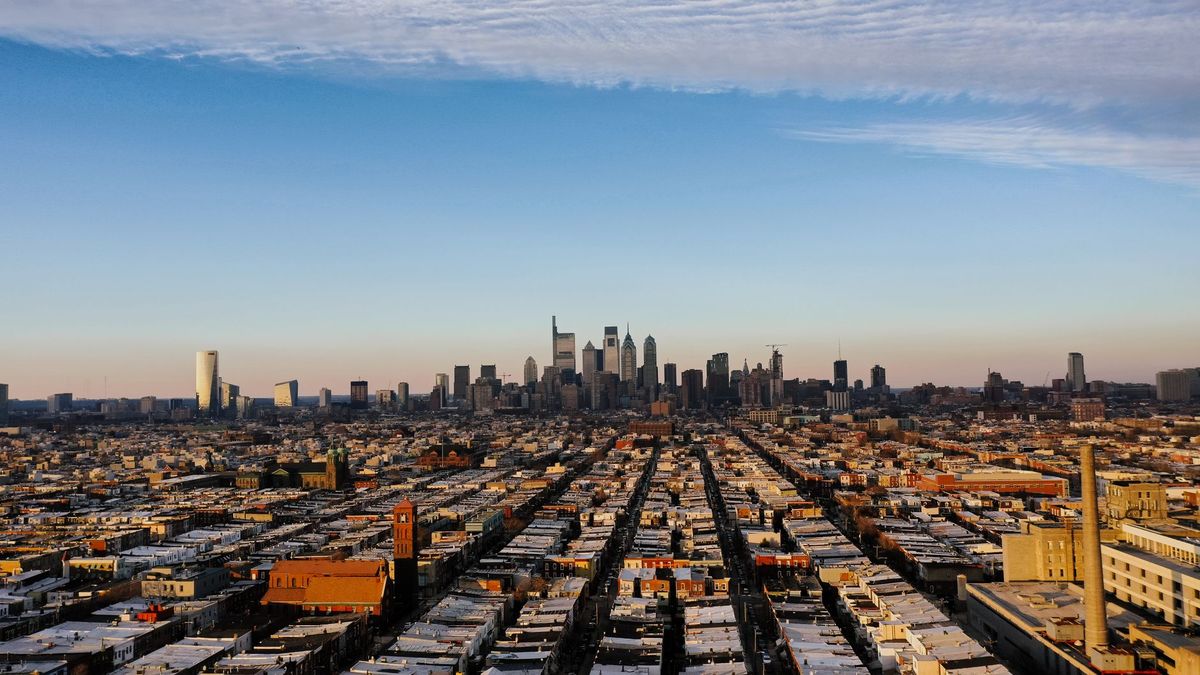
According to a recent report by TechCrunch, the rapid expansion of artificial intelligence data centers is increasingly meeting resistance from local communities in the United States. The latest site of this tension is Philadelphia, where city officials have faced pushback regarding proposals to construct large-scale data facilities in neighborhoods already burdened by the legacy of heavy industry.
Central to the controversy is a proposed development on land previously occupied by a major oil refinery. Residents and local advocates have expressed concerns that the energy-intensive nature of data centers, combined with the site's industrial history, could exacerbate existing environmental and infrastructure challenges in the area. The debate highlights a growing friction between the nation's digital infrastructure needs and the revitalization goals of urban centers.
This trend is not unique to Philadelphia. As demand for computing power surges to support AI development, tech companies are scouting locations that offer proximity to power grids and fiber-optic networks. However, these requirements often place new facilities in areas that are already grappling with the environmental scars of past industrial activity, leading to heightened scrutiny from local planning boards and community organizations.
Industry analysts note that while data centers are essential for the growth of the AI sector, the 'not in my backyard' sentiment is becoming a significant hurdle for developers. Moving forward, the industry may face increased pressure to prioritize brownfield redevelopment that includes community-focused environmental remediation, rather than simply utilizing land for its utility access.
Truth Score
80/100
Likely True
Why this score
The report from TechCrunch is internally consistent and reflects a documented trend of local opposition to data center development in the United States. While no other wire sources in the provided list cover this specific Philadelphia development, the story aligns with broader reporting on the environmental and social impacts of industrial infrastructure.
Cross-checked against
No corroborating trusted sources found.
Original report: TechCrunch