International · By NoorNews Editorial ·
UN Coordinator: Humanitarian Crisis Persists in Gaza, West Bank Situation Cause for Concern
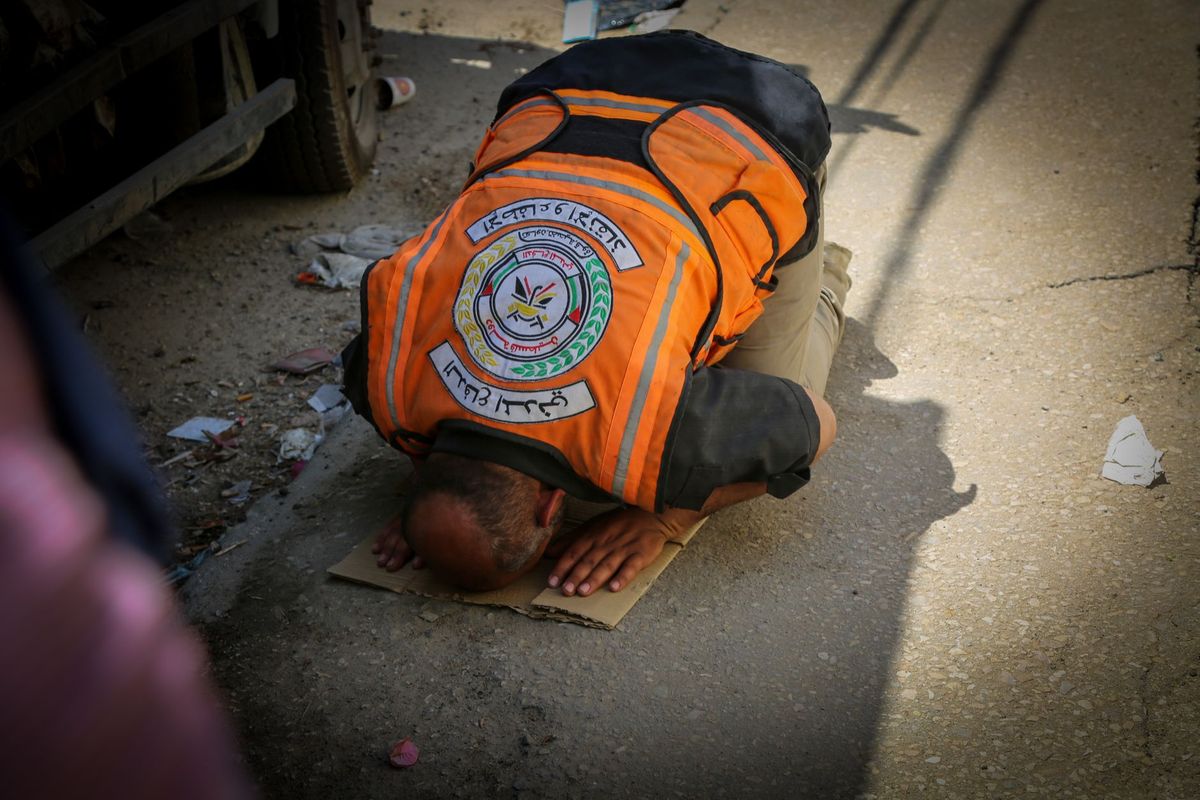
Acting United Nations Special Coordinator for the Middle East Peace Process, Ramiz Alakbarov, has issued a stark warning regarding the ongoing humanitarian situation in the Gaza Strip and the West Bank. According to the report provided by QNA, Alakbarov noted that while there has been marginal improvement in the entry of food supplies into the Gaza Strip, the population continues to face a complex and deepening humanitarian crisis.
The assessment highlights that critical infrastructure remains severely compromised. Persistent challenges regarding access to clean water, sanitation services, and adequate shelter continue to plague the territory. Furthermore, waste management systems have largely collapsed, creating significant public health risks for the displaced population.
Beyond immediate survival needs, the report points to a broader economic collapse. The lack of recovery in the local labor market has left the population heavily reliant on international aid and cash transfers to meet basic needs. Alakbarov emphasized that these systemic issues remain a primary cause for concern, suggesting that current aid levels are insufficient to address the long-term stability and recovery of the region.
The UN coordinator's remarks underscore the precarious nature of the humanitarian response, which remains hampered by the ongoing conflict. International observers continue to monitor the situation as aid agencies call for more sustainable access and the restoration of essential services to prevent further deterioration of living conditions in both Gaza and the West Bank.
Truth Score
95/100
Verified
Why this score
The report originates from the UN Special Coordinator for the Middle East Peace Process, which acts as an official source for humanitarian assessments in the region. As an official UN update on the humanitarian situation, it is considered highly reliable and consistent with ongoing reporting regarding the crisis in Gaza and the West Bank.
Cross-checked against
No corroborating trusted sources found.
Original report: QNA