Business · By NoorNews Editorial ·
UNCTAD Warns Hormuz Shipping Disruptions Could Trigger Exclusion of SMEs
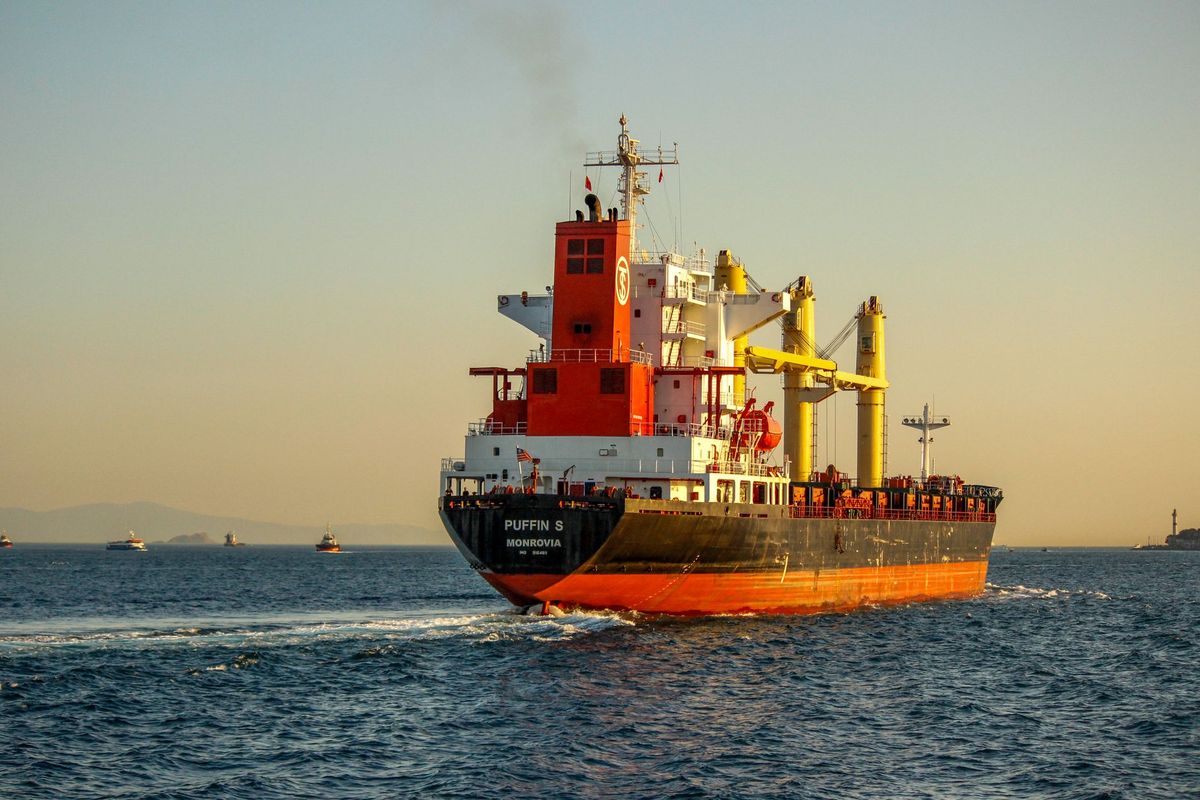
According to the United Nations Trade and Development (UNCTAD), escalating geopolitical tensions and subsequent disruptions to maritime traffic through the Strait of Hormuz pose a significant threat to the stability of global supply chains. In a statement released on September 8, the organization warned that these logistical challenges extend beyond the immediate impact on global energy supplies.
UNCTAD highlighted that small and medium-sized enterprises (SMEs) are particularly vulnerable to the current volatility. As shipping costs rise and transit times become increasingly unpredictable, smaller firms often lack the financial resilience and logistical flexibility of larger multinational corporations. This disparity risks forcing SMEs out of competitive global value chains, as they struggle to absorb the costs associated with rerouting or delayed cargo.
The Strait of Hormuz remains one of the world's most critical maritime chokepoints, facilitating a substantial portion of global oil and gas transit. UNCTAD’s warning underscores the broader economic consequences of regional instability, suggesting that the ripple effects of maritime insecurity could stifle international trade growth and disproportionately affect smaller market participants who rely on consistent, cost-effective shipping routes.
As the situation develops, international trade bodies are closely monitoring the impact on freight rates and insurance premiums. The UNCTAD assessment serves as a call for increased international cooperation to ensure the freedom of navigation and to mitigate the potential for long-term economic exclusion of smaller businesses from the global marketplace.
Truth Score
95/100
Verified
Why this score
The report originates from QNA, the official state news agency of Qatar, which serves as a primary source for government and international policy-related announcements. The warning regarding SME exclusion from value chains due to maritime disruption is consistent with current global economic concerns regarding the Strait of Hormuz.
Cross-checked against
No corroborating trusted sources found.
Original report: QNA